
Liqui Moly Hydraulic Lifter Additive: Fit Compared

Liqui Moly Hydraulic Lifter Additive 300 mL is the closest match for most buyers seeking Liqui Moly hydraulic lifter additive: it is a 300 mL treatment described as cleaning valve bores and addressing hydraulic tappet noise. Choose Liqui Moly Hydro-Stößel-Additiv 300 mL instead if diesel particle-filter compatibility or the wet-clutch exclusion matters; Liqui Moly Cera Tec 300 mL is a different kind of oil additive, not a hydraulic lifter treatment.
We earn a commission if you buy through links on this page. As an Amazon Associate I earn from qualifying purchases. Products are compared on manufacturer specifications, not hands-on testing.
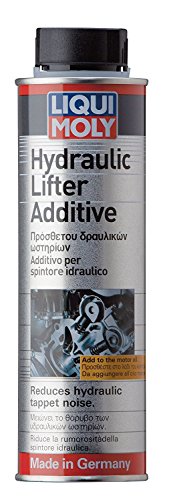
- Best overall: Liqui Moly Hydraulic Lifter Additive 300 mL – A 300 mL hydraulic lifter additive with valve-bore cleaning and hydraulic-tappet noise claims.
- Best for DPF compatibility: Liqui Moly Hydro-Stößel-Additiv 300 mL – Its use claim covers petrol and diesel oils with and without diesel particle filters.
| Product | Best for | Amount | Engine use | Key fit note | Shop |
|---|---|---|---|---|---|
| Liqui Moly Hydraulic Lifter Additive 300 mL | Valve-bore cleaning | 300 mL | Turbo and catalytic-converter vehicles | Valve-bore cleaning | Check Price on Amazon |
| Liqui Moly Hydro-Stößel-Additiv 300 mL | DPF oil compatibility | 300 mL | Petrol and diesel; with or without DPF | Not for wet clutches | Check Price on Amazon |
| Liqui Moly Hydraulic Lifter Additive 2-Pack | Two-unit package | 2-pack | — | Hydraulic-lifter additive | Check Price on Amazon |
| Liqui Moly Cera Tec 300 mL | Ceramic oil additive | 300 mL | Petrol and diesel engines | Wear-protection additive | Check Price on Amazon |
Liqui Moly Hydraulic Lifter Additives Compared
Choose by the additive’s purpose and the engine or clutch setup it covers.
Liqui Moly Hydraulic Lifter Additive 300 mL

Liqui Moly says the formula improves oil lubrication properties, is suitable for turbocharged vehicles and catalytic converters, and can help prevent noise caused by hydraulic tappets. The package is one count, so it is a single-container choice rather than a multipack. Choose it when those cleaning and compatibility claims match your use; buyers prioritizing stated diesel particle-filter coverage or a wet-clutch warning should compare Liqui Moly Hydro-Stößel-Additiv 300 mL instead.
Bottom line: Pick this if valve-bore cleaning is the deciding feature.
Liqui Moly Hydro-Stößel-Additiv 300 mL
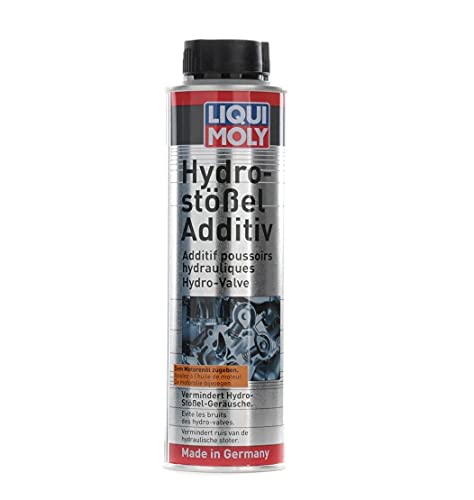
Liqui Moly Hydro-Stößel-Additiv 300 mL distinguishes itself with an explicit use claim for commercially available motor oils in petrol and diesel engines, including engines with diesel particle filters. Liqui Moly says it dampens noise from worn hydraulic lifters and supports tappet function and drivability. Choose this option when DPF compatibility is the key fit requirement, but do not treat the car-engine use claim as permission to use it with a wet-clutch motorcycle.
Bottom line: Pick this when the engine has a diesel particle filter and no wet-clutch motorcycle use.
Liqui Moly Hydraulic Lifter Additive 2-Pack
Liqui Moly Hydraulic Lifter Additive 2-Pack is identified as a two-pack of Liqui Moly hydraulic lifter additive, making its package format the main distinguishing factor. The product name does not identify an individual container volume, so the pack count alone cannot establish the total amount. Check the container label for its exact formula and intended application before relying on it for a particular engine.
Bottom line: Pick this only when a two-unit pack is the priority and the label confirms fit.
Liqui Moly Cera Tec 300 mL

Liqui Moly Cera Tec 300 mL is a ceramic wear-protection oil additive rather than a hydraulic lifter cleaner or lifter-noise additive. Its feature claims focus on mixing with commercially available motor oils, stability under thermal and dynamic loads, filter-system compatibility, and temperature resistance. The 300 mL amount matches the single-container size of Liqui Moly Hydraulic Lifter Additive 300 mL and Liqui Moly Hydro-Stößel-Additiv 300 mL, but the purpose differs, so it is not a direct substitute when the goal is hydraulic tappet noise or valve-bore cleaning. Choose it only when ceramic wear protection is the intended additive function.
Bottom line: Pick this for ceramic wear protection, not hydraulic lifter treatment.
How to choose a hydraulic lifter additive
Start with the additive’s function, then confirm that its engine application matches yours. Hydraulic lifters use pressurized engine oil to take up valve-train clearance; oil condition and viscosity can affect how they operate, but an additive is not a repair for a damaged lifter or oil-pressure fault. Among these options, Liqui Moly Hydraulic Lifter Additive 300 mL specifically claims valve-bore cleaning, while Liqui Moly Hydro-Stößel-Additiv 300 mL gives an explicit petrol, diesel, and DPF application. If the noise is persistent, or accompanied by an oil-pressure warning, diagnose the engine rather than relying on an additive.
Do not treat products with different purposes as interchangeable. Liqui Moly Cera Tec 300 mL is described as a ceramic wear-protection additive, whereas Liqui Moly Hydraulic Lifter Additive 2-Pack is identified only as a two-pack of hydraulic lifter additive. Use the vehicle’s required oil grade as the starting point; an additive should not replace the correct engine oil or change a prescribed maintenance interval.
Engine and clutch fit to check
For a diesel engine with a particulate filter, select only a product whose application expressly covers that setup; Liqui Moly Hydro-Stößel-Additiv 300 mL does so in its product claims. The word “diesel” by itself does not guarantee compatibility with every emissions system, so confirm the product label and vehicle manual before use if the exact engine application is uncertain.
Wet-clutch motorcycles need a separate compatibility check because engine oil also lubricates clutch plates. Liqui Moly Hydro-Stößel-Additiv 300 mL expressly excludes motorcycles with wet clutches, so do not use it for that application. Additives can change oil friction behavior; with under 4 inches of clearance under a vehicle, use a rated lift or ramps and secure the vehicle before inspecting a noisy engine rather than reaching under an unsupported car.
Hydraulic lifter additives versus other oil additives
Choose an additive by its intended job, not just by the fact that it mixes with engine oil. A hydraulic lifter additive is marketed around tappet function, lifter noise, or oil passages; a wear-protection additive may target a different mechanism and cannot be assumed to address lifter symptoms.
The table separates these products by their category and use. For any oil additive, use the container’s dosage and mixing directions and avoid overfilling the crankcase; oil level should remain within the dipstick or electronic measurement range specified for the vehicle.
| Need | Product type | Decision point |
|---|---|---|
| Hydraulic tappet noise or cleaning claim | Hydraulic lifter additive | Match the engine application and label directions |
| Ceramic wear-protection purpose | Wear-protection oil additive | Do not assume it treats lifter noise |
| Wet-clutch motorcycle | Motorcycle-compatible oil product | Avoid products that exclude wet clutches |
Using an oil additive without creating a new problem
Keep the oil level within the vehicle maker’s specified range before and after adding any treatment. An additive volume contributes to the crankcase total, so pouring it into an already full engine can cause overfill; measure the oil level on level ground using the vehicle’s prescribed method.
Use one product’s label directions at a time and do not combine treatments unless both labels allow it. Additives do not replace oil and filter service, and they cannot restore worn mechanical parts. Stop and investigate if engine noise arrives with an oil-pressure warning, overheating, or a sudden change in running, because those symptoms call for diagnosis rather than an additive choice.
Frequently Asked Questions
Can hydraulic lifter additive fix a damaged lifter?
No additive can be assumed to repair mechanical wear or damage. Persistent tapping, especially with an oil-pressure warning, needs diagnosis because oil supply, lifter condition, and valve-train parts can all cause noise.
Can I use a lifter additive in a diesel with a DPF?
Only use one whose application covers diesel engines with particulate filters; Liqui Moly Hydro-Stößel-Additiv 300 mL explicitly claims that coverage. Confirm the product label and the vehicle’s oil requirements before adding it.
Why should wet-clutch motorcycles avoid some oil additives?
A wet clutch shares oil with the engine, and oil friction characteristics affect clutch engagement. Liqui Moly Hydro-Stößel-Additiv 300 mL excludes wet-clutch motorcycles, so its use does not fit that application.
Can oil additive be poured into a full crankcase?
Do not exceed the engine’s oil-level range. Additive volume adds to the crankcase total, so remove enough oil first if the level is already at the upper limit.
How do hydraulic lifters use engine oil?
Hydraulic lifters use oil pressure to take up clearance in the valve train. Low oil level, unsuitable oil, or restricted oil flow can affect operation, so check the vehicle’s oil specification and level when investigating noise.