
Non Abrasive Toothpaste: 5 Formulas Compared

BlanX Non Abrasive Stain Removal Toothpaste is the only option here that explicitly identifies itself as non-abrasive, so it is the clearest match for this search. Choose a different formula only if fluoride or a specific hydroxyapatite formulation matters more to you; those features do not establish that a toothpaste is non-abrasive.
We earn a commission if you buy through links on this page. As an Amazon Associate I earn from qualifying purchases. Products are compared on manufacturer specifications, not hands-on testing.
- Best overall: BlanX Non Abrasive Stain Removal Toothpaste – It explicitly identifies its formula as non-abrasive and peroxide-free.
- Best for fluoride-free HAP: Ollie 10% Nano Hydroxyapatite Mint – It has 10% nano hydroxyapatite and is fluoride-free.
- Best for fluoride: Holidentix Micronized Hydroxyapatite Toothpaste – It contains 0.24% sodium fluoride, or 1,100 ppm.
| Product | Best for | Fluoride | Formula focus | Pack size | Shop |
|---|---|---|---|---|---|
| BlanX Non Abrasive Stain Removal Toothpaste | Explicit non-abrasive claim | Peroxide-free | Stain removal | 2.54 fl oz, 1 tube | Check Price on Amazon |
| Ollie 10% Nano Hydroxyapatite Mint | Fluoride-free HAP | Fluoride-free | 10% nano-hydroxyapatite | 4 oz, 2 tubes | Check Price on Amazon |
| Holidentix Micronized Hydroxyapatite Toothpaste | Non-nano HAP | Fluoride-free | Micronized non-nano HAP | 1 oz, 1 tube | Check Price on Amazon |
| CariFree 1100 Nano Hydroxyapatite Gel | Fluoride gel | 0.24% sodium fluoride | Nano-hydroxyapatite gel | 2.4 oz, 1 tube | Check Price on Amazon |
| Dr. Sheffield’s Peppermint Toothpaste | Peppermint, SLS-free | Fluoride-free | Peppermint; SLS-free | 5 oz, 2 tubes | Check Price on Amazon |
Non Abrasive Toothpaste Options
Only one formula here makes an explicit non-abrasive claim; compare the others as related toothpaste choices, not verified non-abrasive alternatives.
BlanX Non Abrasive Stain Removal Toothpaste
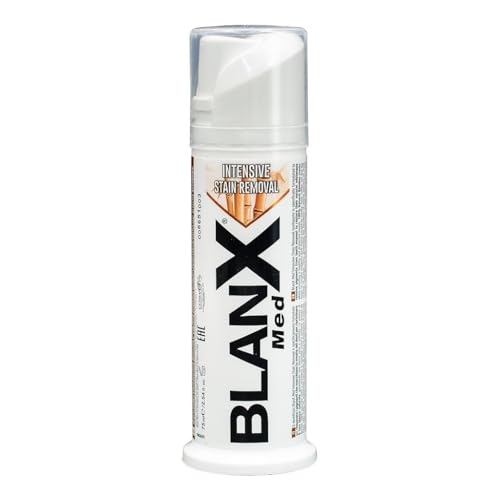
This is the only option in this group that explicitly calls itself non-abrasive. The maker says the peroxide-free formula is intended to remove stains from smoke, food, drinks, and plaque, and describes it as suitable for daily use. The tube contains 2.54 fluid ounces; the formula is also described as vegan and cruelty-free. Anyone who needs a numerical abrasivity comparison should verify that measure with the manufacturer or a dental professional.
Bottom line: Choose this if an explicit non-abrasive claim is your main requirement.
Ollie 10% Nano Hydroxyapatite Mint

This option stands apart for its 10% nano hydroxyapatite formula and fluoride-free positioning, not for a non-abrasive claim. The maker says the rod-shaped hydroxyapatite is intended to support enamel and reduce sensitivity, and describes the mint flavor as mild. The pack contains two 4-ounce tubes. It may suit someone specifically seeking fluoride-free toothpaste with nano hydroxyapatite, but the formula should not be treated as confirmed non-abrasive based on those ingredients or claims. Anyone choosing toothpaste to address persistent sensitivity should discuss the cause with a dentist rather than relying on a formula claim alone.
Bottom line: Choose this for its fluoride-free, 10% nano hydroxyapatite formulation, not an abrasivity claim.
Holidentix Micronized Hydroxyapatite Toothpaste
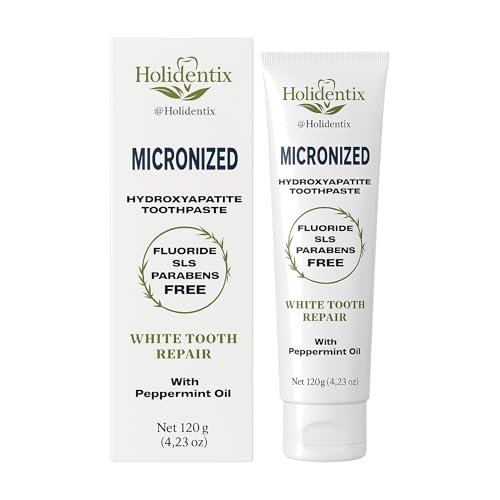
Holidentix differs from the nano hydroxyapatite option by specifying a micronized, non-nano form of hydroxyapatite. The maker describes it as a gentle formula for daily use and says the mineral is intended to support enamel surface integrity. The tube is 1 ounce, making this the smallest pack in the group. It is a reasonable alternative for buyers focused on non-nano hydroxyapatite, but not a verified answer to a strict non-abrasive requirement.
Bottom line: Choose this if a non-nano hydroxyapatite formula is your priority.
CariFree 1100 Nano Hydroxyapatite Gel

CariFree is the fluoride-containing gel in this selection, with 0.24% sodium fluoride (1,100 ppm) and nano hydroxyapatite. The maker describes it as a pH-neutralizing gel for daily cavity protection and says it is intended for children and adults. Its 2.4-ounce tube is a different format from the mint pastes here. Fluoride content and gel form do not establish abrasivity, and no RDA value appears in the specifications. This suits a buyer seeking a fluoride gel, but anyone specifically avoiding abrasive toothpaste should verify the product’s abrasivity measure before choosing it.
Bottom line: Choose this for a fluoride-containing gel, after verifying abrasivity if that is essential.
Dr. Sheffield’s Peppermint Toothpaste
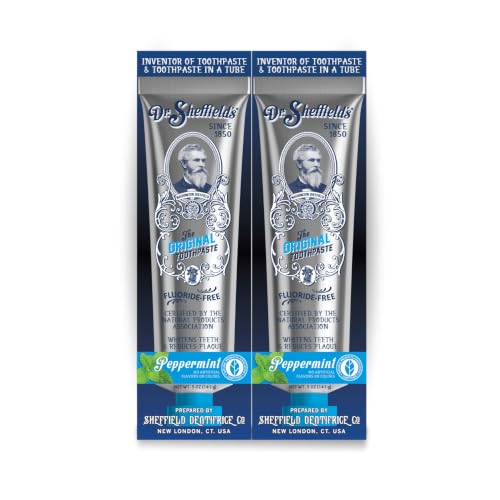
Dr. Sheffield’s is differentiated by its real peppermint and spearmint flavor and its SLS-free, fluoride-free formula. The maker also describes it as certified natural and says it contains organic coconut oil and aloe, along with tea tree oil and myrrh. The two-pack contains 5-ounce tubes. These characteristics may appeal to someone avoiding SLS or seeking a mint toothpaste, but none confirms that the formula is non-abrasive. Look for an RDA measure if abrasivity is the deciding factor; flavor and foaming-agent choices do not reveal how abrasive a toothpaste is.
Bottom line: Choose this for a mint, fluoride-free, SLS-free formula—not as a confirmed non-abrasive option.
How to choose non abrasive toothpaste
For a verified comparison, look for a Relative Dentin Abrasivity (RDA) value rather than inferring abrasivity from flavor, fluoride status, or hydroxyapatite. The American Dental Association’s accepted upper limit for dentifrice RDA is 250; lower values indicate less measured dentin abrasion in that test, though RDA does not by itself predict wear for every person. Toothpastes commonly use mild abrasives such as hydrated silica or calcium carbonate to help remove surface debris, so “toothpaste” and “abrasive” are not mutually exclusive. If a product does not provide an RDA value, ask its manufacturer or a dentist instead of assuming that “gentle,” “natural,” or “enamel-friendly” means non-abrasive. With exposed roots or ongoing sensitivity, ask a dentist to help select both a formula and brushing technique.
What RDA values can and cannot tell you
An RDA value is a laboratory measure of dentin abrasion, not a complete score for enamel safety or stain removal. The ADA ceiling for accepted dentifrices is 250, and many ordinary toothpastes fall below that threshold; lower RDA generally means less dentin abrasion under test conditions. A toothbrush’s bristle stiffness, brushing force, frequency, and exposed root surfaces also affect wear, so a low number cannot make aggressive brushing harmless. For a person with recession, erosion, or sensitivity, dental advice is more useful than selecting solely by a marketing phrase.
Fluoride and hydroxyapatite are separate choices
Fluoride status and hydroxyapatite content describe ingredients, not a toothpaste’s abrasivity. In the United States, standard over-the-counter anticavity toothpaste commonly contains 1,000 to 1,500 ppm fluoride; the CariFree gel here contains 1,100 ppm. The product group also includes fluoride-free formulas with nano or micronized hydroxyapatite, but those are not proof of low RDA. For people at higher cavity risk, a dentist can advise whether fluoride toothpaste is appropriate; children younger than 3 generally use only a smear the size of a grain of rice, while ages 3 through 6 use a pea-sized amount, with adult supervision to limit swallowing. Don’t change a child’s fluoride routine solely to obtain a non-abrasive claim without dental guidance.
Brushing habits that reduce avoidable wear
Use a soft-bristled brush and gentle pressure; a soft brush is typically labeled “soft” and has more flexible bristles than medium or hard options. Brush for two minutes twice daily, holding the brush near the gumline and using short, light strokes instead of scrubbing forcefully. After acidic drinks or foods, wait about 30 minutes before brushing so softened tooth surfaces have time to recover. These habits matter even with toothpaste marketed as gentle, because force, brush type, and frequent acid exposure can contribute to wear. If sensitivity persists beyond a few weeks, worsens, or is localized to one tooth, arrange a dental assessment rather than switching formulas repeatedly.
Frequently Asked Questions
What RDA number counts as non-abrasive toothpaste?
There is no single universally used cutoff that makes a toothpaste “non-abrasive.” The ADA’s accepted maximum RDA for dentifrice is 250, while a lower value means less dentin abrasion in the test; ask for the exact number if you need a comparison.
Does fluoride-free toothpaste have lower abrasivity?
No, fluoride status does not determine abrasivity. RDA depends on the whole formulation, so compare the manufacturer’s RDA value rather than assuming a fluoride-free paste is gentler.
Is hydroxyapatite toothpaste automatically non-abrasive?
No, hydroxyapatite content or particle type does not establish an RDA value. If a low-abrasion formula is important, confirm the finished toothpaste’s measured RDA with its manufacturer.
When should I wait to brush after acidic foods?
Wait about 30 minutes after acidic foods or drinks before brushing. Acid can temporarily soften tooth surfaces, and immediate brushing may add avoidable abrasion.
How much toothpaste should young children use?
For children younger than 3, use a smear about the size of a grain of rice; ages 3 through 6 generally use a pea-sized amount. An adult should supervise brushing so the child spits rather than swallows toothpaste.