
Monk Fruit Without Erythritol: 5 Forms Compared

For monk fruit without erythritol, Morning Pep Pure Monk Fruit Extract suits shoppers seeking a pure powder; its single-ingredient extract is the deciding difference. Choose Monk Fruit and Allulose Sweetener, 3 lb instead for a 1:1 sugar substitute in recipes, or Monk Fruit Drops, 1.7 fl oz if you want drops for drinks.
Pure monk fruit extract is a highly concentrated sweetener, while an allulose blend adds bulk for measuring like sugar. The right form depends on whether you need sweetness alone or a more direct sugar replacement.
We earn a commission if you buy through links on this page. As an Amazon Associate I earn from qualifying purchases. Products are compared on manufacturer specifications, not hands-on testing.
- Best overall: Morning Pep Pure Monk Fruit Extract – Pure monk fruit extract powder with no erythritol or other sugar alcohols.
- Best for baking: Monk Fruit and Allulose Sweetener, 3 lb – The monk fruit and allulose blend is designed as a 1:1 sugar substitute.
- Best for drinks: Monk Fruit Drops, 1.7 fl oz – Liquid drops are intended for coffee and tea, with six drops equaling a teaspoon of sugar sweetness.
| Product | Best for | Form | Package size | Sugar-sweetness ratio | Shop |
|---|---|---|---|---|---|
| Morning Pep Pure Monk Fruit Extract | Pure powder | Powder | 5 oz | — | Check Price on Amazon |
| WHYZ Organic Monk Fruit Powder | High potency | Powder | 5 oz | 200× sweeter than sugar | Check Price on Amazon |
| Monk Fruit Drops, 1.7 fl oz | Coffee and tea | Liquid drops | 1.7 fl oz | 6 drops = 1 tsp sugar sweetness | Check Price on Amazon |
| Monk Fruit and Allulose Sweetener, 3 lb | Sugar-style baking | Granular blend | 48 oz | 1:1 with sugar | Check Price on Amazon |
| Pure Organic Monk Fruit Extract, 4 oz | Mogroside content | Powder | 4 oz | — | Check Price on Amazon |
Monk fruit without erythritol
Compare pure extracts, liquid drops and an allulose blend by form and intended use.
Morning Pep Pure Monk Fruit Extract
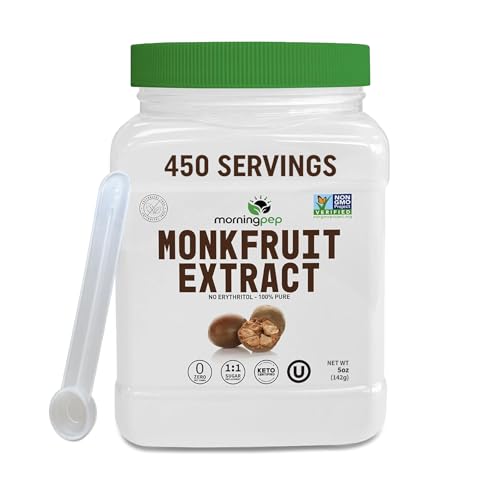
Morning Pep Pure Monk Fruit Extract stands apart as a powder made exclusively from monk fruit extract, without erythritol, other sugar alcohols or fillers. Its 5-ounce container is aimed at shoppers who want monk fruit sweetness without a second sweetener in the blend. The maker says it is zero calorie and identifies it as Non-GMO Project Verified and Keto Certified. Its concentrated sweetness can be harder to measure than a granular substitute.
Bottom line: Pick this if a pure powder with no sugar alcohols matters more than sugar-like measuring.
WHYZ Organic Monk Fruit Powder

WHYZ Organic Monk Fruit Powder differs from the other powders by giving a sweetness comparison: the maker says the pure monk fruit extract is 200 times sweeter than sugar. The 5-ounce powder contains no erythritol, added sugar or fillers, according to its features, and is presented for baking and drinks. That potency calls for very small amounts, making careful measuring especially important when adapting a recipe. It is not a 1:1 sugar replacement, so recipes that rely on sugar for volume or structure may need a different approach. The maker also identifies it as organic, vegan and non-GMO.
Bottom line: Choose this when a highly potent pure powder is the priority and you can measure tiny amounts.
Monk Fruit Drops, 1.7 fl oz

Monk Fruit Drops, 1.7 fl oz is the liquid option, separating it from the powdered extracts and granular blend. The maker says six drops provide the sweetness of one teaspoon of sugar, and describes the drops as 15–20 times sweeter than sugar. The 1.7-fluid-ounce bottle is intended for coffee and tea, where liquid dosing avoids handling a powder. It contains monk fruit extract and has no erythritol, alcohol or added water according to its features. Drops provide sweetness, not sugar’s bulk, so they are not a direct replacement for sugar in recipes that depend on volume.
Bottom line: Pick the drops for adding measured sweetness to coffee or tea without powder.
Monk Fruit and Allulose Sweetener, 3 lb
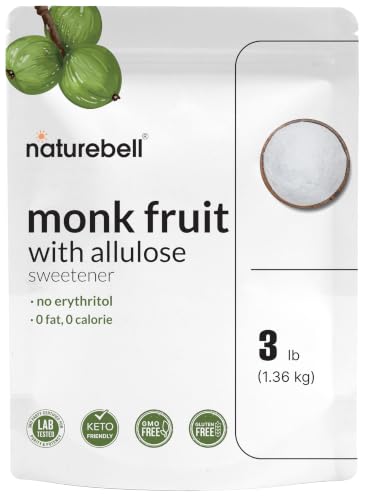
Monk Fruit and Allulose Sweetener, 3 lb is the only option that pairs monk fruit extract with allulose, giving it a different role from pure extracts. The maker says it measures 1:1 with sugar and is suitable for baking, cooking and beverages. Its 48-ounce package is substantially larger than the pure powders, so it may suit a household that uses a granular sugar substitute often. It contains allulose, not erythritol; shoppers seeking monk fruit alone should choose a pure extract instead. Its 1:1 ratio is the useful distinction, but recipe results can still differ from sugar because the ingredients are not identical.
Bottom line: Choose this if a 1:1 granular sugar substitute is more useful than pure monk fruit.
Pure Organic Monk Fruit Extract, 4 oz
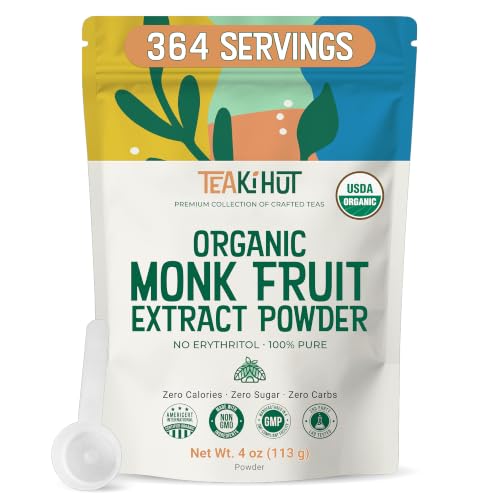
Pure Organic Monk Fruit Extract, 4 oz distinguishes itself by specifying 10% mogroside V, a naturally occurring compound associated with monk fruit’s sweetness. The 4-ounce product is a pure extract powder without erythritol, and its features also describe it as zero calorie and zero carb. It is positioned for beverages and other uses where a concentrated sweetener can be added in small amounts. Unlike the allulose blend, it does not offer a 1:1 sugar measure, and the fields give no sugar-equivalence ratio. Buyers who need predictable sweetness in a recipe may prefer a product with a ratio.
Bottom line: Pick this if the mogroside V concentration is a useful selection point.
How to choose monk fruit without erythritol
Choose by form first: pure powders and drops add sweetness, while a monk fruit–allulose blend can replace sugar by volume. Pure extracts are concentrated, so the exact amount needed depends on the product’s potency; use a product with a sweetness ratio when converting a recipe. For drinks, drops or a small pinch of powder avoid needing sugar-like bulk. For baking, a granular blend with a 1:1 ratio is easier to measure, though the recipe may not behave exactly as it does with sugar. Read the ingredient name carefully: allulose is a separate sweetener, not erythritol. If you want monk fruit alone, select a product described as pure extract rather than a blend.
Pure extract versus allulose blend
Pure monk fruit extract delivers sweetness without supplying the bulk of sugar, whereas an allulose blend is formulated to measure more like sugar. That distinction matters in baking: sugar contributes volume and affects texture as well as sweetness. A pure extract can sweeten coffee, tea or a small portion of food, but it cannot replace a cup of sugar by volume. A blend labeled 1:1 gives a more direct starting measure for recipes. The table summarizes the practical choice; it does not imply the finished recipe will have the same texture or browning as one made with sugar.
| Need | Form to consider | Reason |
|---|---|---|
| Sweeten a drink | Liquid drops or pure powder | Add sweetness without sugar-like bulk |
| Replace sugar by measure | Monk fruit and allulose blend | Designed for a 1:1 measure |
| Avoid all other sweeteners | Pure monk fruit extract | No allulose or erythritol in the ingredient form |
How to measure concentrated monk fruit
Use the product’s own conversion guidance rather than assuming every monk fruit extract has the same strength. These products illustrate why: one maker says six drops equal the sweetness of a teaspoon of sugar, another claims 200 times sugar sweetness, and the 1:1 blend uses a different formulation. Such ratios are not interchangeable. When a recipe has no conversion for a pure extract, start with a tiny amount and adjust to taste before adding more; concentrated sweeteners can overshoot quickly. For baking, measure the bulk sweetener separately from the pure extract, because sweetness alone does not replace the volume sugar provides. Avoid converting by weight unless the package gives a weight-based ratio.
What to expect when baking with monk fruit
Pure monk fruit extract sweetens but does not provide the bulk, browning or structure that sugar contributes in many baked goods. A 1:1 monk fruit and allulose blend is more convenient when the recipe needs a sugar-like volume, but the result may still differ in texture or color from a sugar-based recipe. For recipes where sugar supplies structure—such as meringues or a simple syrup—substituting a concentrated extract is especially unsuitable without a recipe designed for it. Use drops and pure extracts primarily where sweetness is the main job; choose a measured blend when volume matters. Adjusting sweetness by taste works for drinks, but baking ratios need more care because other ingredients depend on proportion.
Frequently Asked Questions
Can pure monk fruit replace sugar cup for cup?
No, pure monk fruit extract is concentrated and does not supply sugar’s bulk. Use a product with a 1:1 ratio for a cup-for-cup starting point; the allulose blend has that ratio.
Does monk fruit extract have a standard sweetness ratio?
No single ratio applies to every extract. The products here range from a maker’s claim of six drops per teaspoon of sugar sweetness to a separate powder claim of 200 times sugar sweetness, so follow the specific product’s conversion.
Can I bake with monk fruit drops?
For recipes that measure sugar by cups, a granular 1:1 blend is a more direct substitute than liquid extract.
What does mogroside V mean in monk fruit powder?
Mogroside V is a naturally occurring compound associated with monk fruit’s sweetness. A 10% mogroside V figure describes its concentration in an extract, not a sugar-to-sweetener conversion ratio.