
Mt. Comfort Coffee: Four Roasts Compared by Fit

Mt. Comfort Coffee Organic Peru Medium Roast suits most people who want a versatile medium roast and buy in bulk, with two 2.5-pound bags. Choose another option if you want a smaller bag, a darker roast, or flavor notes tied to another origin.
These whole-bean coffees range from medium to Full City roast, so grind them just before brewing and match the grind to your method.
We earn a commission if you buy through links on this page. As an Amazon Associate I earn from qualifying purchases. Products are compared on manufacturer specifications, not hands-on testing.
- Best overall: Mt. Comfort Organic Peru Medium Roast, 2-Pack – Two 2.5-pound bags and a medium roast profile suited to drip, pour over, French press and espresso.
- Best for a single large bag: Mt. Comfort El Salvador Medium Roast, 2.5 lb – One 2.5-pound bag of medium roast El Salvador coffee with honey, tangerine and chocolate notes.
- Best for a bolder roast: Mt. Comfort Colombia Full City Roast, 12 oz – A 12-ounce bag of Colombian Arabica beans roasted to Full City for a bold, caramelized profile.
- Best for Guatemalan origin: Mt. Comfort Guatemala Medium Roast, 12 oz – A 12-ounce bag of medium roast whole beans sourced from Guatemala.
| Product | Best for | Roast | Bag size | Origin | Shop |
|---|---|---|---|---|---|
| Mt. Comfort Organic Peru Medium Roast, 2-Pack | Frequent brewing | Medium | 2 × 40 oz | Peru | Check Price on Amazon |
| Mt. Comfort El Salvador Medium Roast, 2.5 lb | Honey-citrus notes | Medium | 40 oz | El Salvador | Check Price on Amazon |
| Mt. Comfort Colombia Full City Roast, 12 oz | Bolder roast | Full City | 12 oz | Colombia | Check Price on Amazon |
| Mt. Comfort Guatemala Medium Roast, 12 oz | Guatemala origin | Medium | 12 oz | Guatemala | Check Price on Amazon |
Mt. Comfort Coffee whole-bean roasts
Compare the roast, origin and package size to find a coffee that fits your brewing habits.
Mt. Comfort Organic Peru Medium Roast, 2-Pack

The two-bag format sets this option apart for households or shared spaces that use coffee frequently. Mt. Comfort describes the roast as smooth and balanced, with nutty, chocolate and citrus notes; the whole beans suit drip, pour over, French press and espresso. Grind only the amount needed for each brew to limit exposure to air. The main tradeoff is the 80-ounce total package: it may be more coffee than a light drinker can use while keeping each opened bag fresh. Choose it when your regular brewing volume justifies buying multiple pounds at once.
Bottom line: Choose this when you want medium roast coffee in a bulk format for several brewing methods.
Mt. Comfort El Salvador Medium Roast, 2.5 lb

The El Salvador roast offers a different flavor direction from the Peru option, with honey, tangerine and chocolate notes. It comes as one 2.5-pound bag of whole beans and is described as a smooth, delicate medium roast for everyday coffee. The maker also says it can be enjoyed hot, cold or over ice. As with any whole bean coffee, grind size affects extraction: use a fine grind for espresso and a coarse grind for French press. The large single bag suits someone who wants this origin and flavor profile but does not need a two-bag pack.
Bottom line: Pick this for one large bag of medium roast coffee with honey and citrus notes.
Mt. Comfort Colombia Full City Roast, 12 oz
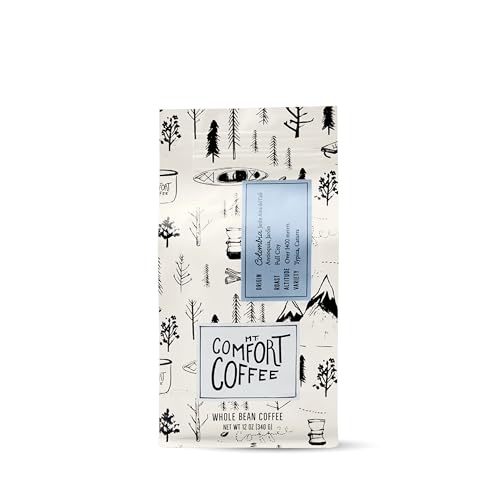
The Colombia Full City Roast is the darkest roast among these options, making it the choice for a bolder cup rather than a softer medium roast profile. The 12-ounce whole-bean bag contains Arabica beans sourced from Colombia; the maker describes caramelized sweetness and a robust finish. Full City is a roast-level label, not a grind size, so grind the beans according to your brewer. This bag is much smaller than the 2.5-pound choices, which can suit someone sampling a stronger style or who does not need a large supply. It may not suit drinkers seeking a gentler medium roast.
Bottom line: Choose this if a bold, Full City roast matters more than buying a large bag.
Mt. Comfort Guatemala Medium Roast, 12 oz
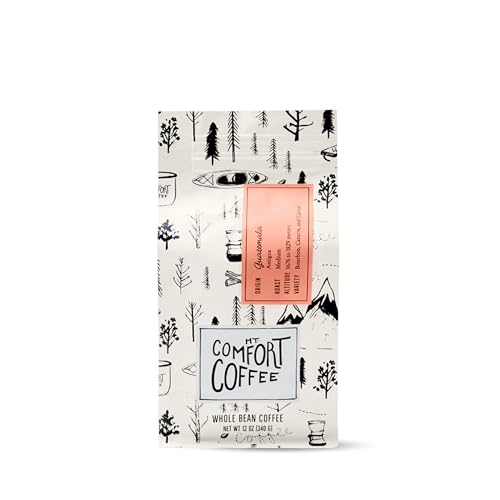
The Guatemala option stands out for its origin paired with a medium roast, in a 12-ounce whole-bean bag. Freshly grinding whole beans lets you adjust particle size for your brewer, from fine for espresso to coarse for French press. The smaller bag is a practical fit for lower-volume brewing or trying a distinct origin without committing to several pounds. Buyers who rely on named tasting notes to choose a coffee may prefer one of the other options.
Bottom line: Pick this for a smaller bag of medium roast coffee from Guatemala.
How to choose a Mt. Comfort Coffee roast
Choose by roast level first, then use origin and flavor notes to narrow the options. A medium roast is a middle-ground style; the Full City Colombia is the bolder choice here. Peru is paired with nutty, chocolate and citrus notes, while El Salvador is paired with honey, tangerine and chocolate. Guatemala is described as bright and smooth without specific tasting notes. Coffee taste also changes with grind, water and brew ratio, so a flavor description is a guide rather than a guarantee. If you prefer a lower-commitment purchase, the 12-ounce bags are smaller than the 2.5-pound options. Frequent drinkers can consider the larger formats, but should keep unopened beans sealed until needed.
Whole-bean bag size and freshness
Whole beans generally keep their quality longer than ground coffee because less surface area is exposed to air. Buy a bag size you can use in a few weeks after opening; many coffee guides recommend using opened beans within about 2 to 4 weeks for best flavor, though storage and personal taste change that window. Keep beans in an airtight container away from light, heat and moisture, rather than in the refrigerator where condensation can form. The two 2.5-pound formats provide more coffee than a 12-ounce bag, but the Peru pack contains two separate bags, so the second can remain sealed while you use the first. Avoid grinding a large batch far ahead of brewing.
Grind size and brew method
Match grind size to contact time: coarse grounds work for French press, medium grounds for drip, and fine grounds for espresso. Pour over grind usually falls around medium to medium-fine, with adjustments for the dripper and brew time. A starting brew ratio of about 1 gram of coffee to 16 grams of water works for many filter brews; adjust stronger or weaker to taste. Grind size and dose both affect extraction, so change one at a time when a cup tastes too bitter or too sour. The Peru beans are explicitly presented for several brew methods, while the other coffees are whole beans; any whole bean can be ground to suit a brewer.
Store and brew coffee safely
Store coffee beans dry and sealed, and keep them away from stovetops and direct sunlight; heat and moisture speed quality loss. Coffee brewing water is typically around 195°F to 205°F, a useful range for manual and automatic brewing. Hot coffee and brewing equipment can cause burns, so keep kettles and carafes away from children and use stable surfaces. Do not use water that has been standing in a machine for a long time; fresh water gives a cleaner-tasting brew. If espresso is your method, use an espresso-capable grinder and adjust the grind gradually, since small changes can alter shot time substantially.
Frequently Asked Questions
How much coffee should I use per cup?
A useful starting point for brewed coffee is about 1 gram of grounds per 16 grams of water. For an 8-ounce cup of water, that is roughly 15 grams of coffee; adjust the dose to taste.
How long do whole coffee beans stay fresh?
Opened whole beans are commonly used within about 2 to 4 weeks for best flavor. Keep them in an airtight container away from light, heat and moisture, and leave any second sealed bag unopened until needed.
What grind size works for French press coffee?
Use a coarse grind for French press, which steeps grounds in water before separation. If the brew tastes weak or overly bitter, adjust grind size or steeping time rather than changing several variables at once.
What water temperature is best for brewing coffee?
Water around 195°F to 205°F is a common brewing range for coffee. Water that is too cool can under-extract grounds, while boiling water can make brewing harder to control.
Can whole beans be used for espresso?
Yes, whole beans can be ground fine for espresso, but the grinder must make a consistent fine grind. Adjust gradually because a small grind change can affect espresso shot flow and taste.