
New Balance 928V3 for Men: Compare 4 Walking Shoes

For most men seeking a supportive walking shoe, New Balance 928 V3 Lace-Up stands out for its lace-up closure, motion-control design, and XX-wide size. Choose New Balance 928 V3 Hook and Loop instead if you prefer an adjustable hook-and-loop closure in a wide size; the 608 V5 and Fresh Foam 680 V9 are different shoe types, not 928V3 versions.
The 928V3 is a walking shoe, while cross-trainers and running shoes are built for different activity priorities. Confirm the required width and size before ordering, since the two 928V3 options here have different fits.
We earn a commission if you buy through links on this page. As an Amazon Associate I earn from qualifying purchases. Products are compared on manufacturer specifications, not hands-on testing.
- Best overall: New Balance 928 V3 Lace-Up – Its motion-control design and XX-wide size suit walkers seeking extra support and a broad fit.
- Best for easy adjustment: New Balance 928 V3 Hook and Loop – The hook-and-loop closure is quick to adjust and comes in a wide size.
- Best for cross-training: New Balance 608 V5 Cross Trainer – The 608 V5 is a cross trainer with an ABZORB heel cushion and suede leather upper.
| Product | Best for | Closure | Upper | Cushioning or footbed | Shop |
|---|---|---|---|---|---|
| New Balance 928 V3 Lace-Up | Extra-wide support | Lace-up | Leather | ABZORB cushioning | Check Price on Amazon |
| New Balance 928 V3 Hook and Loop | Quick closure | Hook-and-loop | Leather | Removable polyurethane footbed | Check Price on Amazon |
| New Balance 608 V5 Cross Trainer | Cross-training use | Lace-up | Suede leather | ABZORB heel cushion; molded PU insert | Check Price on Amazon |
| New Balance Fresh Foam 680 V9 | Road running | Lace-up | Engineered mesh | Fresh Foam cushioning | Check Price on Amazon |
New Balance 928V3 and Alternatives for Men
Compare the two 928V3 closure options with two different New Balance shoe types.
New Balance 928 V3 Lace-Up
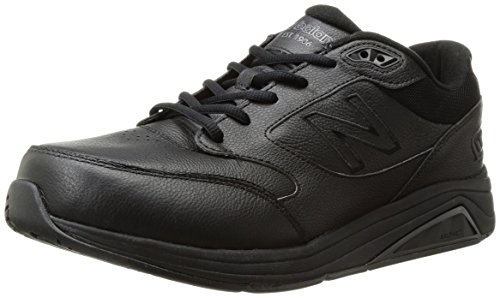
For an extra-wide fit and lace adjustment, this 928 V3 pairs a lace-up closure with a leather upper. New Balance says its motion-control design and ROLLBAR stability post are intended to limit rear-foot movement, while ABZORB cushioning absorbs impact at the heel and forefoot. The size provided is 10.5 XX-Wide. That combination suits walkers who want the width and structured support in a walking shoe. The main tradeoff is the laces: shoppers who want a quicker closure may prefer the hook-and-loop 928 V3, and this option is not the wide size.
Bottom line: Choose this if you want the 10.5 XX-wide fit and lace-up adjustment.
New Balance 928 V3 Hook and Loop
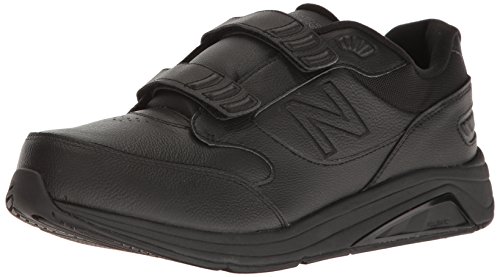
The hook-and-loop closure is the key difference here: it offers quick adjustment without tying laces. This 928 V3 has a leather upper, removable polyurethane footbeds, and a rubber outsole, with the size listed as 8 Wide. It suits someone seeking the 928 V3 in a wide fit who values an easy-to-adjust closure or wants a removable footbed. The limitation is the specific size: this option is not the 10.5 XX-wide version, so shoppers needing that fit should consider the lace-up shoe instead.
Bottom line: Pick this for an 8 Wide 928 V3 with a quick-adjust closure.
New Balance 608 V5 Cross Trainer
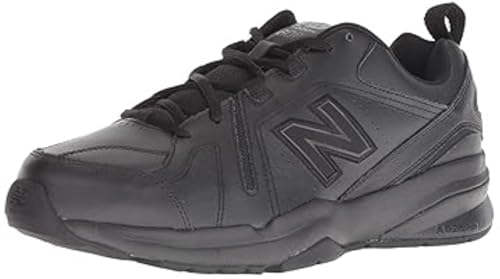
Unlike the 928 V3 walking shoes, the 608 V5 is a casual comfort cross trainer, with a suede leather upper and dual-density collar foam. Its ABZORB heel crash pad is paired with a molded PU insert, while an EVA midsole and internal shank are also part of the shoe. This is the alternative to consider when cross-training and general wear matter more than choosing a 928 V3. The size is 10.5, but no width is included in the product name, so anyone who needs a specific width should verify that fit before choosing it.
Bottom line: Choose this for a cross trainer rather than a 928 V3 walking shoe.
New Balance Fresh Foam 680 V9

The Fresh Foam 680 V9 is the running-oriented choice here, with a breathable engineered mesh upper and Fresh Foam cushioning rather than the 928 V3’s motion-control design. Its rubber outsole is intended for roads, sidewalks, and gym floors, and the size is 11. This shoe suits someone prioritizing a daily running shoe over a walking shoe. The features do not give a width, so shoppers who need wide or extra-wide sizing should verify the available fit before selecting it.
Bottom line: Pick this when road running is the priority, not 928 V3 walking support.
How to Choose a New Balance Walking Shoe
Start with activity and fit: a walking shoe, cross trainer, and running shoe are not interchangeable just because each can be worn casually. For steady walking, compare closure, width, and the support features that matter to your stride; for lateral gym movement, a cross trainer is the more activity-specific category, while a running shoe prioritizes forward motion. Leave roughly 3/8 to 1/2 inch between the longest toe and the shoe end when standing. Measure both feet late in the day, when feet may be larger, and use the larger foot to guide sizing. Width letters are not fully consistent across brands or models, so prioritize a try-on or an accurate size chart over assuming two labels fit the same.
928V3 Size and Width Fit
The two 928V3 options here are different sizes and widths, so closure preference should come after fit. The lace-up version is 10.5 XX-Wide; the hook-and-loop version is 8 Wide. A shoe that is too short can crowd toes, while excess length can let the foot slide, so check toe room and heel hold while standing and walking. Try shoes with the socks you plan to wear, and check that the widest part of the foot aligns with the shoe’s widest point. If the foot bulges over the sole or the upper pinches, seek a wider fit; if the heel slips substantially despite adjustment, consider a different size or shape. Do not assume extra width compensates for incorrect length.
Walking Shoe, Cross Trainer, and Running Shoe Differences
Choose by the movement you do most: walking shoes support repeated forward steps, cross-trainers accommodate varied gym movement, and running shoes are designed around a running stride. The 928V3 options are walking shoes; the 608 V5 is a cross trainer and the Fresh Foam 680 V9 is a running shoe. Cushioning names alone do not establish which shoe will fit your foot or feel comfortable, so assess heel hold, toe room, and pressure points together. Use this quick comparison to narrow the category before choosing a size.
| Primary use | Category to consider | Fit check |
|---|---|---|
| Regular walking | Walking shoe | Heel hold and toe room |
| Mixed gym movement | Cross trainer | Secure fit during side steps |
| Road running | Running shoe | Comfort through a running stride |
How to Check Shoe Fit and Wear
A sound fit leaves about 3/8 to 1/2 inch at the toes and holds the heel without painful rubbing. Check both feet while standing; foot size can differ, and a late-day fitting helps account for normal swelling. Replace walking or running shoes when cushioning feels compressed or the outsole is unevenly worn, rather than relying on a fixed mileage figure because surface, body weight, and stride all affect wear. Build up activity gradually in any new pair, and stop using footwear that causes persistent pain or instability. For walking on wet or uneven ground, tread condition matters: a smooth or damaged outsole can reduce grip, so inspect it before relying on the shoes outdoors.
Frequently Asked Questions
How much toe room should walking shoes have?
Walking shoes should leave about 3/8 to 1/2 inch between the longest toe and the shoe end while standing. Check toe room in the socks you normally wear, because a fit that feels acceptable seated can feel tight under standing load.
When should I measure my feet for shoes?
Measure late in the day, when feet may be larger than in the morning. Measure both feet and use the larger foot as the starting point for length and width.
Can I use a cross trainer for walking?
A cross trainer can be worn for casual walking, but it is built for varied gym movement rather than being a dedicated walking shoe. If you walk regularly, compare heel hold and comfort over a longer walk before choosing a cross trainer.
How can I tell if a shoe is too narrow?
A shoe may be too narrow if the foot bulges over the sole or the upper presses the sides of the foot while standing. Check width with your normal socks and do not use a longer size to compensate for insufficient width.
When should walking shoes be replaced?
Replace walking shoes when cushioning feels compressed, the outsole wears unevenly, or the shoe no longer holds your foot securely. Wear life varies with walking surface, stride, and frequency, so inspect the sole rather than relying on a single mileage target.