
Oil-Based Sculpting Clay: 3 Sculpting Options Compared

For a versatile 2-pound bar with a sulfur-free claim and a minimum age of 3 years, choose Pepy Plasticine Cream, 2 lb. Oil-based sculpting clay stays workable rather than air-drying, so choose a different material if you need a finished piece to harden without a separate process.
Chavant NSP Medium Brown, 2 lb is also a 2-pound sulfur-free option, while ReArt White Oil-Based Clay, 2.6 lb comes in a larger 2.6-pound amount.
We earn a commission if you buy through links on this page. As an Amazon Associate I earn from qualifying purchases. Products are compared on manufacturer specifications, not hands-on testing.
- Best overall: Pepy Plasticine Cream, 2 lb – A 2-pound cream bar combines a sulfur-free claim with a minimum age of 3 years.
- Best for professional sculpting: Chavant NSP Medium Brown, 2 lb – The maker identifies this reusable, sulfur-free brown clay as professional sculpting clay.
- Best for a larger amount: ReArt White Oil-Based Clay, 2.6 lb – At 2.6 pounds, it contains more clay than the two-pound bars.
| Product | Best for | Weight | Color | Sulfur-free claim | Shop |
|---|---|---|---|---|---|
| Pepy Plasticine Cream, 2 lb | Versatile projects | 2 lb | Cream | Yes | Check Price on Amazon |
| Chavant NSP Medium Brown, 2 lb | Professional sculpting | 2 lb | Brown | Yes | Check Price on Amazon |
| ReArt White Oil-Based Clay, 2.6 lb | More clay per bar | 2.6 lb | White | — | Check Price on Amazon |
Oil-Based Sculpting Clay Options
Compare the clay amounts, colors and stated material claims to find a workable fit for your project.
Pepy Plasticine Cream, 2 lb

Pepy Plasticine Cream, 2 lb is the all-purpose pick here, with a 2-pound cream bar and explicit sulfur-free and non-toxic claims. The maker says it stays pliable without drying, can hold fine detail, and suits modeling, stop-motion work and prototypes. It is also described as CPSIA-certified and gluten-free, with a recommended minimum age of 3 years. Soap and water are given for cleanup. The limitation is its single cream color; sculptors who want brown clay or more material in one bar should consider another option.
Bottom line: Choose this for a reusable cream clay with a minimum age and sulfur-free claim.
Chavant NSP Medium Brown, 2 lb
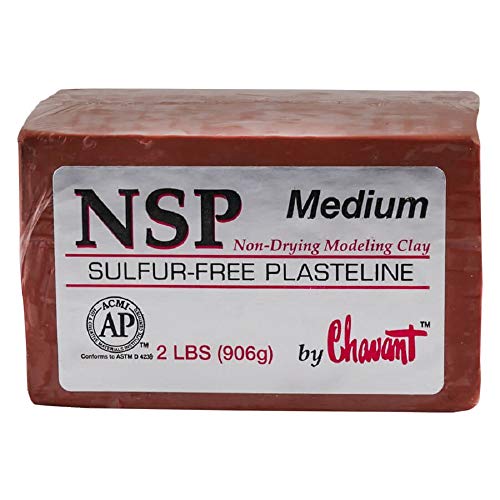
Chavant NSP Medium Brown, 2 lb stands out for its brown color and the maker’s professional sculpting positioning. This 2-pound brick is described as non-drying, reusable and melt-able, and the maker says it can be used with silicone. Its sulfur-free claim may matter when a project involves making molds, since sulfur in some modeling materials can interfere with silicone cure. Unlike the other options, it does not include a non-toxic or child-age claim in the specifications, so it is better matched to adult workshop use than to choosing clay for a young child.
Bottom line: Pick this for brown, reusable clay aimed at professional sculpting and silicone use.
ReArt White Oil-Based Clay, 2.6 lb

ReArt White Oil-Based Clay, 2.6 lb offers the largest amount in this group at 2.6 pounds, in white. The maker says the oil-based clay remains pliable without baking or drying and is intended for detailed sculpting, modeling, stop-motion animation and prototypes. It is also described as non-toxic, non-crumbling and cleanable with soap and water. Unlike the two-pound options, its larger amount may suit a project that uses more material, but the specifications do not make a sulfur-free claim. Buyers whose mold-making process requires sulfur-free clay should verify that requirement before choosing it.
Bottom line: Choose this when the extra 0.6 pound and white color suit your project.
How to Choose Oil-Based Sculpting Clay
Choose by intended finish first: oil-based clay stays pliable and is for reusable modeling, while water-based clay dries as water evaporates. Oil-based formulas suit maquettes, prototypes and stop-motion figures that need repeated reshaping; they are not the right choice when you need a self-hardening finished object. For a two-pound bar, expect roughly 32 ounces of material, enough for a modest sculpt or several smaller studies depending on scale. Pick a color that helps you read surface contours, and compare the maker’s material claims when you plan mold-making. Here, Pepy Plasticine Cream, 2 lb and Chavant NSP Medium Brown, 2 lb claim sulfur-free composition, while ReArt White Oil-Based Clay, 2.6 lb offers more clay but does not make that claim in the fields.
Oil-Based Clay and Silicone Mold Compatibility
Sulfur can inhibit the cure of some platinum-cure silicone rubbers, leaving a tacky or uncured surface where the materials contact. Sulfur-free clay is a sensible choice for that process, but it is not a guarantee of compatibility: silicone formulations and other contaminants can also affect curing. Chavant NSP Medium Brown, 2 lb is specifically described as usable with silicone, and both Pepy Plasticine Cream, 2 lb and Chavant NSP Medium Brown, 2 lb carry sulfur-free claims. Before committing a finished sculpt, test a small sample using the exact clay, silicone and release agent planned for the mold. Avoid assuming that all silicone products use the same cure chemistry; tin-cure silicone does not have the same sulfur sensitivity.
Oil-Based Clay Types Compared
Color and amount are the clearest distinctions among these oil-based clays; project scale can make the weight difference matter. Use this comparison to narrow the choice by clay quantity and stated sulfur-free claim, then consider the shape and finish you need to model.
| Need | Choice | Reason |
|---|---|---|
| Cream clay with a minimum age | Pepy Plasticine Cream, 2 lb | 2 lb; maker recommends age 3 and up |
| Brown clay with silicone use | Chavant NSP Medium Brown, 2 lb | 2 lb; sulfur-free claim |
| More clay in one bar | ReArt White Oil-Based Clay, 2.6 lb | 2.6 lb; white |
Oil-based clays vary in firmness as well as color, so warm a small piece in your hands before deciding whether it is workable for fine details. A softer clay may suit broad forms, while a firmer clay can better support sharp edges and projecting shapes.
Safe Handling and Cleanup
Keep sculpting clay away from food-preparation surfaces, and wash hands after use, especially when children are working. Pepy Plasticine Cream, 2 lb and ReArt White Oil-Based Clay, 2.6 lb are described as non-toxic, but only Pepy Plasticine Cream, 2 lb includes a maker-recommended minimum age of 3 years; supervise young children and prevent swallowing. Oil-based clay generally does not wash away like water-based clay, so remove residue with a disposable scraper or cloth before using soap and water. Avoid pouring clay residue down a drain, where it can collect and obstruct plumbing. Store reusable clay sealed and away from direct heat, which can soften it and make it harder to handle.
Frequently Asked Questions
Does oil-based sculpting clay dry out in air?
Oil-based sculpting clay is designed to remain workable rather than harden as water evaporates. It is useful for models that need reshaping, but it will not become a durable finished object by air-drying.
Can oil-based clay be used with silicone molds?
Some can, but sulfur in certain clays can interfere with platinum-cure silicone. Choose a sulfur-free product for that process and test the exact clay and silicone together before making a full mold.
How do you clean oil-based clay off tools?
Scrape off bulk clay first, then use a cloth and soap-and-water cleanup when the clay maker recommends it. Keep residue out of the drain because clay can accumulate in plumbing.
Is oil-based sculpting clay safe for children?
Safety claims differ by product: Pepy Plasticine Cream, 2 lb is described as non-toxic and has a maker-recommended minimum age of 3 years, and ReArt White Oil-Based Clay, 2.6 lb is described as non-toxic. Supervise children, keep clay out of mouths, and wash hands after sculpting.
What is the difference between oil-based and water-based clay?
Oil-based clay stays pliable for reuse, while water-based clay hardens as it loses moisture. Choose oil-based material for repeated modeling and water-based clay when air-drying is part of the project.