
Pistol Scopes for .44 Mag: 4 Models Compared

For a fixed-power scope with a one-piece tube and long eye relief for powerful handguns, start with Burris 2×20 Handgun Scope. Choose UTG 2-7×32 Handgun Scope instead if you want variable 2-7x magnification and eye relief up to 25 inches; confirm the scope and mounting system are suitable for your specific .44 Magnum firearm before ordering.
We earn a commission if you buy through links on this page. As an Amazon Associate I earn from qualifying purchases. Products are compared on manufacturer specifications, not hands-on testing.
- Best overall: Burris 2×20 Handgun Scope – Its 2x magnification, one-piece tube and long eye relief are aimed at powerful handguns.
- Best for variable power: UTG 2-7×32 Handgun Scope – It offers 2-7x magnification and up to 25 inches of eye relief.
- Best for a compact variable scope: BSA Edge 2-7×28 Pistol Scope – Its 2-7x magnification comes in a 28mm objective scope with a one-piece tube.
| Product | Best for | Magnification | Objective diameter | Eye relief | Shop |
|---|---|---|---|---|---|
| Burris 2×20 Handgun Scope | Fixed-power handgun use | 2x | 20mm | Long | Check Price on Amazon |
| UTG 2-7×32 Handgun Scope | Adjustable magnification | 2-7x | 32mm | Up to 25 in. | Check Price on Amazon |
| BSA Edge 2-7×28 Pistol Scope | Variable power, 28mm | 2-7x | 28mm | Long | Check Price on Amazon |
| Burris 2x Handgun Scope, Nickel | Fixed 2x, nickel finish | 2x | 20mm | — | Check Price on Amazon |
Pistol scopes for .44 Mag
Compare magnification, objective size and eye relief, then confirm that the scope and mounting hardware suit your firearm.
Burris 2×20 Handgun Scope
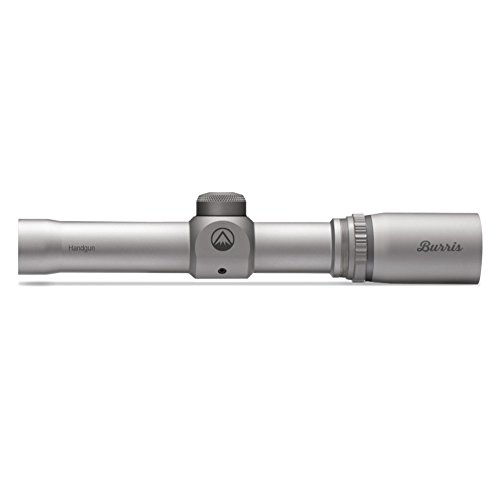
Burris 2×20 Handgun Scope stands out for its fixed 2x magnification and one-piece outer tube, with long eye relief intended for powerful handguns. The scope has a 1-inch body tube and a simple Plex reticle, so its setup is straightforward compared with variable-power options. The manufacturer says the tube is built to withstand shock and vibration from heavy-recoiling calibers. Choose it if you prefer a fixed view over changing magnification. Its 2x power is less adaptable across distances than a 2-7x scope, which matters if you want to adjust your view for different shooting situations.
Bottom line: Choose this if you want fixed 2x magnification and a one-piece tube.
UTG 2-7×32 Handgun Scope

UTG 2-7×32 Handgun Scope offers the broadest eye-relief figure among these options: the manufacturer says it allows up to 25 inches. Its 2-7x range lets you change magnification, and its PDC reticle is intended to assist with shooting at different distances. The scope has a 1-inch tube and is sealed and nitrogen-filled; the manufacturer describes it as shockproof, fogproof and rainproof. This may suit shooters who value adjustment and a long eye-relief range. The tradeoff is weight: at about 1.10 pounds, it is heavier than the other scopes with weights.
Bottom line: Choose this if variable power and a 25-inch eye-relief maximum matter.
BSA Edge 2-7×28 Pistol Scope

BSA Edge 2-7×28 Pistol Scope combines adjustable 2-7x magnification with a 28mm objective and a one-piece tube. Its 30/30 duplex reticle distinguishes it from the Plex and PDC designs in the other variable-power choices. The scope uses a 1-inch tube and has long eye relief, making it a pistol scope option rather than a conventional rifle scope. Consider it if you want variable power without stepping up to a 32mm objective. The manufacturer does not give a numeric eye-relief range here, so compare the actual viewing position with your firearm and shooting stance before committing to this setup.
Bottom line: Choose this if you want variable power with a 28mm objective and duplex reticle.
Burris 2x Handgun Scope, Nickel

Burris 2x Handgun Scope, Nickel is a fixed 2x handgun scope with a 20mm objective and a Plex reticle, similar in core setup to Burris 2×20 Handgun Scope. Its nickel finish is the clearest distinction, and its field of view is 21 feet at 100 yards. That field-of-view figure gives a useful comparison point for the fixed-power option. Pick it if the finish and stated view at 100 yards fit your setup.
Bottom line: Choose this if you want a fixed 2x scope with a nickel finish.
How to choose a pistol scope for .44 Mag
Start with eye relief and a secure mount, then choose magnification for the distances you expect to shoot. Handgun scopes use substantially longer eye relief than typical rifle scopes because the optic sits farther from the shooter’s eye; a common handgun scope range is roughly 10 to 20 inches, though designs differ. A hard-recoiling handgun can move sharply under recoil, so insufficient clearance can cause the scope or firearm to strike the face. With variable power, 2-7x gives more viewing flexibility than fixed 2x, but greater magnification narrows the field of view and makes a steady hold more demanding. Confirm the scope’s fit and recoil suitability with the firearm maker or a qualified gunsmith before purchase.
Eye relief and mounting fit
Set eye relief with the firearm unloaded, and check the sight picture from your normal shooting position before tightening the rings. Eye relief is the distance from the rear lens to your eye at which the full image remains visible; even a small shift can cause dark edges or force an unsafe head position. A 1-inch scope tube requires rings sized for a 1-inch tube, and the firearm’s base must match the rings. A .44 Magnum revolver and a single-shot handgun may use different mounting systems, so there is no universal handgun scope base. Confirm the mount, ring height and firearm-specific compatibility before ordering; do not assume that matching tube diameter means the base will fit.
Fixed 2x versus variable 2-7x
Fixed 2x keeps magnification constant, while a 2-7x scope lets you change magnification as distance and target size change. Higher magnification does not make a handheld handgun steadier: movement appears more pronounced as power increases, and the visible field becomes narrower. A larger objective can admit more light in some conditions, but brightness also depends on lens coatings, glass and pupil alignment, so objective diameter alone does not establish image quality. Use this comparison to match scope type to your priorities rather than treating one configuration as universally better.
| Scope type | Useful when | Tradeoff |
|---|---|---|
| Fixed 2x | You want one simple magnification setting | No power adjustment |
| Variable 2-7x | You want to vary magnification by distance | More adjustment; high power can magnify hold movement |
Safe setup and zeroing
Keep the handgun unloaded while installing the scope, and confirm the chamber is clear before handling the mounting system. After installation, verify that the reticle is level and that the rings hold the scope without shifting; uneven or excessive ring pressure can damage an optic. Zero the firearm at a safe range using a stable rest, then confirm the point of impact at the distances you plan to use. A .44 Magnum load’s trajectory changes with bullet weight and velocity, so a reticle or zero that suits one load may not match another. Recheck zero after removing or adjusting the scope, and stop if the mount loosens or the eye position is unsafe.
Frequently Asked Questions
How much eye relief should a handgun scope have?
Handgun scopes commonly provide roughly 10 to 20 inches of eye relief, with some models offering more. Choose a position that shows a full image from your normal stance while keeping the scope safely clear of your face during recoil.
Does a 1-inch scope fit every handgun mount?
No. A 1-inch measurement describes the scope tube, not the firearm’s base or ring compatibility. Match the rings to the tube and confirm that the base fits the specific handgun.
Is 2-7x magnification useful on a .44 Magnum handgun?
A 2-7x scope allows power changes, while fixed 2x avoids that adjustment. Higher power also narrows the field of view and makes hand movement look larger, so use only as much magnification as you can hold steadily.
Can I use the same zero with different .44 Magnum loads?
Different bullet weights and muzzle velocities can produce different trajectories, so confirm point of impact when changing loads. Verify zero at a safe range with the specific ammunition you plan to use.
How do I prevent a handgun scope from hitting my face?
Maintain safe eye clearance through the full recoil cycle; handgun scopes generally need much longer eye relief than rifle scopes. Keep the firearm unloaded during setup and test the sight picture from your actual shooting position before firing.