
Rinnai Thermal Bypass Valve: Fit and Alternatives

The Rinnai thermal bypass valve is the direct choice for a Rinnai replacement because it is presented as a genuine OEM part; alternatives are for buyers matching a Watts or Grundfos recirculation setup instead.
A thermal bypass valve bridges hot and cold lines to circulate cooled water back toward the heater until the hot side reaches its closing temperature.
We earn a commission if you buy through links on this page. As an Amazon Associate I earn from qualifying purchases. Products are compared on manufacturer specifications, not hands-on testing.
- Best overall: Rinnai Thermal by-Pass Valve – Genuine Rinnai OEM part intended to match the original component.
- Best for brass construction: 595926 Solid Brass Sensor Valve – A 1/2-inch solid brass valve with a 98°F closing point.
- Best for included lines: WISLULU Adjustable Temperature Bypass Kit – Includes two 20-inch PEX supply lines for supported pump setups.
| Product | Best for | Material | Valve size or dimensions | Included lines | Shop |
|---|---|---|---|---|---|
| Rinnai Thermal by-Pass Valve | Rinnai replacement | OEM part; material — | 9 × 6 × 5 in | — | Check Price on Amazon |
| 595926 Solid Brass Sensor Valve | Watts or Grundfos | Solid brass | 1/2 in | — | Check Price on Amazon |
| WISLULU Adjustable Temperature Bypass Kit | Pump kit with lines | 304 stainless exterior; copper interior | — | Two 20 in PEX lines | Check Price on Amazon |
| SWCFRTX WP596816 Bypass Sensor Kit | Coated brass kit | Brass with protective coating | — | Two 12 in lines | Check Price on Amazon |
Rinnai Thermal Bypass Valve and Alternatives
Match the replacement to the recirculation system and compare the valve construction and included connection parts.
Rinnai Thermal by-Pass Valve
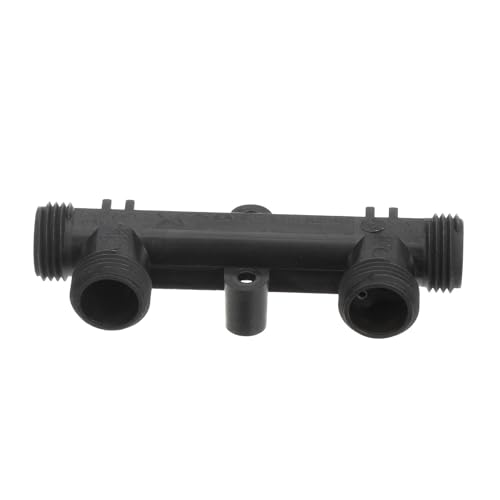
For a Rinnai replacement, this is the only option here identified as a Rinnai OEM part. The maker says OEM components fit and function like the originals, and that using genuine parts is less likely to affect the equipment warranty. The dimensions are 9 × 6 × 5 inches. Choose it when the existing unit is a Rinnai and preserving an OEM match matters.
Bottom line: Choose this when replacing the corresponding Rinnai component.
595926 Solid Brass Sensor Valve

Unlike the Rinnai OEM part, this 595926 sensor valve is specified for Watts Premier and Grundfos UP Comfort recirculation systems. It has a 1/2-inch solid brass body, and the maker says it opens when hot-side water cools and closes at 98°F. The compatible equipment includes Watts 500800 and 500805 pumps and Grundfos UP15-10SU7P/TLC systems. Choose it only when the installed pump and bridge-valve connections match its compatibility range.
Bottom line: Choose it for a matching Watts or Grundfos recirculation system.
WISLULU Adjustable Temperature Bypass Kit

This adjustable-temperature kit differs from the fixed-point valve options by pairing a stainless exterior and copper interior with two 20-inch PEX supply lines. The maker says it is compatible with recirculating pump models 500800 and 500805 and valve 595926. The included lines may suit a replacement where those lengths work with the existing plumbing layout.
Bottom line: Choose it when the compatible pump and 20-inch lines suit the installation.
SWCFRTX WP596816 Bypass Sensor Kit
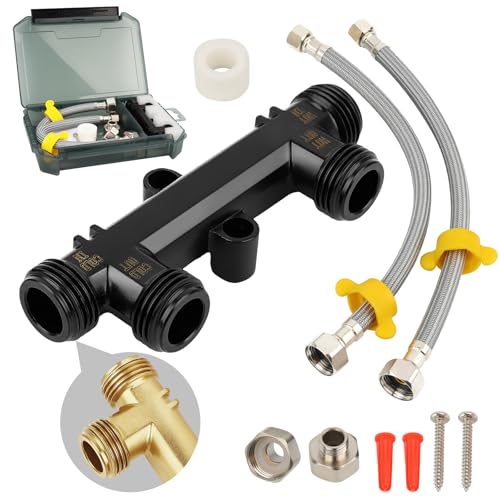
This kit uses a coated brass valve and has shorter 12-inch water supply lines than the WISLULU kit. The maker identifies it as a replacement for Watts and Grundfos systems, including part numbers 500800, 500805 and 367010. Its dimensions are 4.5 × 2 × 1 inches. Check the existing connection size and line reach before installation.
Bottom line: Choose it for a matching Watts or Grundfos system needing 12-inch lines.
How to choose a thermal bypass valve
Start with the recirculation system and exact valve connection, not the exterior material alone. A crossover-style thermal bypass valve usually connects the hot and cold supply lines at a fixture; when the hot line cools, the valve lets water move through the cold side back toward the heater until the valve closes. Check whether the system uses a dedicated return line or a crossover bridge, because those designs are not interchangeable. Then compare valve temperature behavior, thread type, and line reach. For the three alternatives here, system compatibility distinguishes the Watts and Grundfos products from the Rinnai OEM component.
For flexible connections, measure the route between the valve and existing shutoff points before choosing a kit: a 12-inch line and a 20-inch line can require different routing and bend clearance.
Valve compatibility and installation fit
Match the replacement to the model and connection layout already installed. The alternatives identify Watts 500800 and 500805, Grundfos UP15-10SU7P/TLC, and valve 367010; those references do not establish Rinnai compatibility. For a Rinnai unit, verify the OEM part number and connector dimensions against the existing valve before ordering. A mismatch can prevent secure connections even when two products are both described as thermal bypass valves.
Use a measurable fit rule: if the available route is shorter than 12 inches, neither included-line kit should be assumed to fit without measuring the actual connection path. Shut off water and relieve pressure before opening hot-water plumbing; hot water can scald, so allow the line to cool before disconnecting the valve.
How thermal bypass valves differ
Thermal bypass valves vary by system fit, material, operating temperature and what comes in the kit. A fixed-temperature sensor responds to water temperature, while an adjustable model allows the setting to be changed; the WISLULU model is identified as adjustable, but no adjustment range is supplied. The 595926 valve’s closing temperature is 98°F. Material also matters: brass, copper and stainless surfaces have different construction, but material alone does not prove compatibility or service life.
The table separates the product types by their use and inclusion, so it can narrow the choice before checking exact connections.
| Need | Matching product type | Deciding check |
|---|---|---|
| Rinnai replacement | Rinnai OEM valve | Confirm OEM part and connections |
| Watts or Grundfos fixed-point replacement | 595926 brass sensor valve | Match pump and 1/2-inch size |
| Compatible kit with included lines | Adjustable or coated sensor kit | Measure route against 20- or 12-inch lines |
Safety and common replacement mistakes
Turn off the water supply and let hot lines cool before removing a bypass valve; trapped hot water can cause burns. Thermal bypass plumbing also connects the hot and cold sides, so incorrect routing or a poor seal can create leaks and unwanted crossover. Use the valve only in the recirculation arrangement it is designed for, and inspect fittings for leaks after restoring water pressure.
A common mistake is choosing by a similar-looking body or shared pump-family wording without confirming the exact connection size and system model. Another is forcing a short supply line into a tight bend; measure the route and allow a gentle curve rather than twisting the line at the fitting.
Frequently Asked Questions
How does a thermal bypass valve work?
A crossover thermal bypass valve responds to the hot-line temperature and temporarily lets cooled water flow through the cold line toward the heater. The 595926 valve’s closing temperature is 98°F; other valves may use a different setting.
Can a Watts bypass valve replace a Rinnai valve?
Not based on these product specifications: the Watts and Grundfos alternatives identify those pump systems, while the Rinnai component is identified as an OEM Rinnai part. Match the valve part number and plumbing connections before substituting.
What temperature does the 595926 valve close at?
The 595926 valve is stated to close at 98°F. Its maker says the valve opens when hot-side water cools, allowing recirculation through the bridge arrangement.
How long should bypass valve supply lines be?
Choose line length by measuring the actual route between connection points; the included kits here have 12-inch or 20-inch lines. Allow for fitting depth and a gentle curve rather than stretching or sharply bending a line.
Should I shut off water before replacing the valve?
Yes, shut off the supply and relieve line pressure before disconnecting a bypass valve. Let hot plumbing cool first because residual water can scald.