
Sekka Medium Grain Rice: Sizes and Cooking Fit

For Sekka medium grain rice, choose Sekka Extra Fancy Medium Grain, 15 lb for a 15-pound supply or Sekka Extra Fancy Premium Grain, 4.4 lb for a 4.4-pound bag; the deciding factor is how much rice you want to store. Nishiki Premium Medium Grain, 15 lb is a medium grain alternative from Nishiki, not Sekka.
Medium grain rice cooks up tender and somewhat cohesive, making it useful for Japanese-style meals and everyday sides. Choose a different grain if you specifically need the separate texture of long-grain rice.
We earn a commission if you buy through links on this page. As an Amazon Associate I earn from qualifying purchases. Products are compared on manufacturer specifications, not hands-on testing.
- Best overall: Sekka Extra Fancy Medium Grain, 15 lb – The 15-pound Sekka bag suits cooks who want the larger of the two Sekka sizes.
- Best for smaller storage: Sekka Extra Fancy Premium Grain, 4.4 lb – The 4.4-pound Sekka bag takes less pantry space than the 15-pound option.
- Best for a brand alternative: Nishiki Premium Medium Grain, 15 lb – Nishiki offers a 15-pound medium grain option for shoppers comparing another brand.
| Product | Best for | Rice type | Bag weight | Shop |
|---|---|---|---|---|
| Sekka Extra Fancy Medium Grain, 15 lb | Larger households | Medium-grain white | 15 lb | Check Price on Amazon |
| Sekka Extra Fancy Premium Grain, 4.4 lb | Smaller households | Premium grain | 4.4 lb | Check Price on Amazon |
| Nishiki Premium Medium Grain, 15 lb | Brand alternative | Medium-grain white | 15 lb | Check Price on Amazon |
Sekka Medium Grain Rice Options
Compare the two Sekka bag sizes with a medium grain alternative from Nishiki.
Sekka Extra Fancy Medium Grain, 15 lb

The 15-pound bag is the larger Sekka option here, suited to households that cook rice often or want a staple on hand. The product name identifies it as extra-fancy medium grain white rice; its maker describes the cooked rice as sweet and chewy. Medium grain rice generally has a tender, cohesive texture, so it works well as a side or alongside Japanese-style dishes.
A large bag needs a cool, dry storage spot and an airtight container after opening; choose the smaller bag if you cannot protect the rice from moisture or pantry pests.
Bottom line: Choose this bag if you cook rice regularly and have room for a large, sealed container.
Sekka Extra Fancy Premium Grain, 4.4 lb

The 4.4-pound bag is the smaller Sekka choice, making it easier to fit in a compact pantry or try before committing to the larger size. Its product name calls it extra-fancy premium grain rice, while the package weight is 4.4 pounds. Rice labeled medium grain is typically more cohesive after cooking than long-grain rice, a useful texture for rice bowls and meals eaten with chopsticks.
The product name does not identify a specific grain length, so confirm the grain type if matching a recipe that requires medium grain is essential.
Bottom line: Pick this smaller bag if pantry space or a shorter supply matters most.
Nishiki Premium Medium Grain, 15 lb
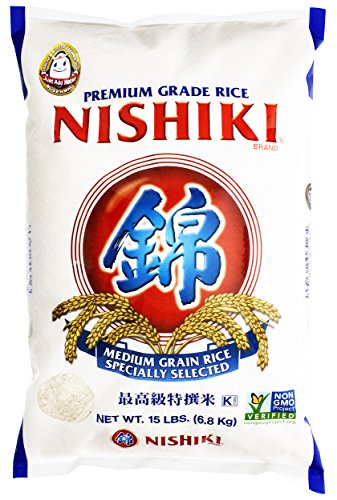
The Nishiki option keeps the medium grain style but changes the brand, making it the direct alternative to compare when Sekka is not essential. This is a 15-pound bag of white medium grain rice. The accompanying storage guidance recommends a cool, dry place and an airtight container to limit moisture and pests. Medium grain rice is generally a practical choice for cohesive rice bowls, while long-grain rice tends to separate more readily.
Because this is not Sekka, choose it only if brand flexibility matters less than getting a medium grain rice in the larger bag size.
Bottom line: Choose this if you want a 15-pound medium grain alternative and are open to another brand.
How to Choose a Sekka Rice Bag Size
Choose bag size by how quickly you use rice and whether you can store it sealed and dry. A 15-pound bag is about 3.4 times the weight of a 4.4-pound bag, so the larger option makes sense when rice is a frequent staple and you have suitable pantry space. For an occasional side dish or a small kitchen, the smaller bag is easier to manage. Dry white rice keeps best away from heat, humidity and pests; move opened rice into an airtight food-safe container. Avoid buying a large sack if it will sit open in a warm or damp cupboard.
What Medium Grain Rice Is Best For
Medium grain rice lands between long- and short-grain varieties in shape and cooked texture; it tends to be tender and cohesive rather than fluffy and separate. That texture suits rice bowls, Japanese-style meals and dishes eaten with chopsticks. Long-grain rice is the better direction when a recipe depends on distinct, separated grains, while short-grain rice is generally stickier. For a recipe that specifies medium grain, choose a package that clearly names that type rather than relying on a broad label such as premium grain. The Sekka large bag and Nishiki bag identify medium grain, while the smaller Sekka package uses broader wording.
How to Rinse and Cook Medium Grain Rice
Rinse medium grain rice in several changes of cool water until the water is less cloudy; this removes loose surface starch and debris. Measure water consistently, then use the rice cooker’s guidance or the recipe’s ratio because grain age, rinsing and cooker design change the amount needed. A common stovetop starting point is about 1¼ cups water per cup of rice, but adjust to the package or recipe when available. After cooking, let the covered pot rest for about 10 minutes, then fluff gently. Avoid stirring repeatedly during cooking, which can break grains and make the result gummy.
Rice Storage and Leftover Safety
Keep uncooked white rice sealed in a cool, dry pantry, and use a container with a tight lid to keep out moisture and pests. Cooked rice needs faster handling: refrigerate leftovers within 2 hours, or within 1 hour when the room is above 90°F, and use shallow containers so it cools promptly. Refrigerated cooked rice is generally best used within 3 to 4 days; reheat leftovers until steaming hot throughout. Do not leave a pot of cooked rice at room temperature for extended serving. If serving rice buffet-style, keep it hot rather than letting it sit warm for hours.
Frequently Asked Questions
Is Sekka medium grain rice sticky?
Medium grain rice generally cooks tender and cohesive, but it is not as sticky as many short-grain varieties. Rinsing and water amount can also affect the final texture.
How much dry rice should I cook per person?
Plan on about ¼ to ⅓ cup of uncooked rice per person for a side serving. Use the higher amount for larger appetites or when rice is the main starch.
Should medium grain rice be rinsed before cooking?
Yes, rinsing in several changes of cool water removes loose surface starch and debris. Stop when the water is less cloudy, then drain before measuring cooking water.
How long can cooked rice stay in the refrigerator?
Use refrigerated cooked rice within 3 to 4 days. Refrigerate it within 2 hours of cooking, or within 1 hour when the room temperature is above 90°F.
Can uncooked white rice be stored in its original bag?
An opened bag is less protective than an airtight container, especially in a humid pantry. Transfer the rice to a sealed food-safe container and keep it cool and dry.