
Shoe Polish for Tan Shoes: 4 Options Compared

For shoe polish for tan shoes, Lincoln Tan Shoe Polish Wax is the clearest match: it is a tan wax polish for adding color and shine. Choose Kelly’s London Tan Shoe Cream instead if you want a London Tan cream for recoloring scuffs; the darker shade of Dark Tan Shoe Polish or neutral formula of KIWI Leather Premiere Shine Neutral may not match tan leather.
Wax and cream differ in finish and use: wax is suited to building shine, while pigmented cream can refresh color. Test any colored polish on an inconspicuous area first because tan shades can vary.
We earn a commission if you buy through links on this page. As an Amazon Associate I earn from qualifying purchases. Products are compared on manufacturer specifications, not hands-on testing.
- Best overall: Lincoln Tan Shoe Polish Wax – Tan wax polish adds color and shine to tan leather.
- Best for scuffs: Kelly’s London Tan Shoe Cream – London Tan cream is intended to recolor scuffs and revive leather color.
- Best for darker tan: Dark Tan Shoe Polish – Dark Tan offers a deeper shade for leather that needs a darker match.
- Best for neutral shine: KIWI Leather Premiere Shine Neutral – The neutral polish uses a two-layer sponge applicator with controlled dosage.
| Product | Best for | Shade | Formula | Size | Shop |
|---|---|---|---|---|---|
| Lincoln Tan Shoe Polish Wax | Tan wax shine | Tan | Wax | 2.5 oz | Check Price on Amazon |
| Kelly’s London Tan Shoe Cream | Scuff recoloring | London Tan | Cream | 1.5 oz | Check Price on Amazon |
| Dark Tan Shoe Polish | Deeper tan shades | Dark Tan | — | 1.7 fl oz | Check Price on Amazon |
| KIWI Leather Premiere Shine Neutral | Neutral surface shine | Neutral | Carnauba-wax color shine | 2.5 oz | Check Price on Amazon |
Shoe Polish for Tan Shoes
Compare these formulas by shade, finish and the kind of leather care you need.
Lincoln Tan Shoe Polish Wax

For a tan shade with a hard-wax finish, this polish combines color with a shine-focused formula. Lincoln says its carnauba-wax polish gives a water-resistant shine and can cover scuffs; it is also intended for shoes, boots and other leather goods. The 2.5-ounce tin suits someone who wants a pigmented wax rather than a cream. Wax can build a bright surface shine, but it is less suited than cream to refreshing leather color across a broad, scuffed area. Check that tan is close to the shoe’s existing shade before applying.
Bottom line: Choose this if you want a tan wax polish for color and shine.
Kelly’s London Tan Shoe Cream

Unlike a hard wax, this London Tan cream is aimed at recoloring scuffs and conditioning leather. Kelly’s says its natural-wax formula nourishes leather and revives its original hue; it is intended for finished, grained and smooth leather shoes and boots, along with other leather goods. The 1.5-ounce size is a focused choice for color touch-ups rather than a large supply. London Tan may differ visibly from a shoe’s particular tan, so test a hidden spot and let it dry before treating a larger area.
Bottom line: Pick this for a cream that can refresh scuffed London Tan leather.
Dark Tan Shoe Polish

The Dark Tan shade is deeper than a general tan match, making this option relevant when the shoe’s leather is already a darker brown-tan. The container holds 1.7 fluid ounces. The product name identifies the color, but it does not establish whether the formula is wax, cream or another type, so it is harder to choose by finish than the other color polishes here. Shade is the key limitation: avoid using a darker pigment on pale tan leather unless a darker result is intended, and patch-test first.
Bottom line: Choose this only when a deeper tan shade suits the leather.
KIWI Leather Premiere Shine Neutral
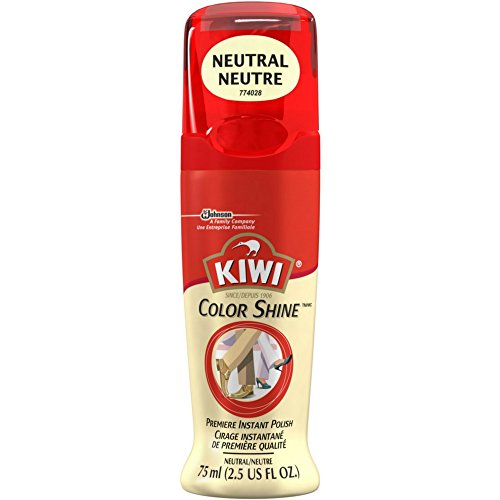
Unlike the pigmented tan choices, this neutral polish is for shine without adding a tan color. KIWI says the carnauba-wax formula helps keep shoes looking new; its two-layer sponge controls dosage and buffs as it is applied. At 2.5 ounces, it can suit someone who wants a neutral finish on tan leather and does not need to cover color-mismatched scuffs. Because neutral polish does not supply tan pigment, choose a colored cream or wax when the main goal is restoring faded or scraped color.
Bottom line: Use this for neutral shine when tan color restoration is not needed.
How to choose tan shoe polish
Choose by the job first: pigmented cream can refresh color, while wax is better suited to building a bright surface shine. Shoe creams generally spread more readily over larger areas; waxes are harder and are commonly applied in thin layers for shine. For scuffs, select a shade close to the leather rather than assuming every tan is interchangeable. If you mainly want shine and the color is already even, neutral polish avoids adding pigment, but it will not recolor worn spots. Tan leather can shift from honey to reddish or brown tones, so test the polish on an inconspicuous patch and allow it to dry before treating the whole shoe.
Matching tan shades to leather
Match the undertone as well as the lightness: two products labeled tan can lean yellow, red or brown. Use a small hidden area, such as the inner heel edge, for a color check; judge the result after it dries because wet polish can look darker. Choose a closer or slightly lighter shade when uncertain, since a darker pigment can leave a more noticeable change on pale leather. For a shoe with only surface dust and no color loss, neutral polish is the safer color choice. For visible scuffs, use a pigmented cream or wax matched to the original leather and apply it sparingly before deciding whether another layer is needed.
Wax, cream and neutral polish compared
Wax, cream and neutral polish serve different purposes, so the formula should follow the condition of the shoe. Use this guide to choose by the result you need.
| Need | Formula | Why choose it |
|---|---|---|
| Bright surface shine | Wax | Hard formula suited to building shine |
| Refresh scuffed color | Pigmented cream | Color can blend small worn areas |
| Shine without recoloring | Neutral polish | No tan pigment added |
These are practical distinctions, not guarantees of identical results across leather finishes. Smooth finished leather typically takes polish differently from suede or nubuck, which should not be treated with ordinary shoe polish; use products designed for those napped materials instead. Keep the formula within the shoe’s material and the color goal in mind.
Applying polish without changing the shade
Clean loose dirt from leather before polishing so grit does not drag across the surface and cause scratches. Apply a small amount with a soft cloth or applicator in a thin, even layer, then let it dry before buffing; several light applications are easier to control than one heavy coat. A separate brush or cloth for each color helps prevent dark pigment from transferring onto tan leather. Keep polish away from suede and nubuck, whose nap can be flattened or stained by waxy formulas. If color transfer or an uneven patch appears in the test area, stop and use a closer shade or a neutral product instead.
Frequently Asked Questions
Can neutral polish restore color on tan shoes?
No, neutral polish adds no tan pigment, so it cannot recolor a scuff. Use a shade-matched cream or wax for worn color, testing a hidden area first.
Should I use wax or cream on tan leather?
Use wax when a bright surface shine is the priority and cream when the leather needs color refreshment across scuffs. Apply either in a thin layer after cleaning.
How do I keep tan polish from looking too dark?
Test a small amount on an inconspicuous patch and let it dry before polishing the shoe. A darker pigment can visibly change pale tan leather, so choose a closer shade if the patch looks too deep.
Can regular shoe polish go on suede or nubuck?
No, ordinary wax and cream polish are intended for smooth leather, not the raised nap of suede or nubuck. Use a care product made specifically for those materials to avoid flattening or staining the nap.
How much polish should I apply at once?
Start with a thin layer rather than coating the leather heavily; small amounts are easier to spread evenly and control. Let each layer dry before buffing or adding another.