
Silicone Lubricant for Gym Equipment: 3 Options Compared

For treadmill belt maintenance, the 4.2-ounce treadmill oil with an applicator that extends up to 10 inches is the most targeted choice. Silicone lubricant is used on some treadmill belts, but equipment designs differ; choose a different option only if your machine calls for another lubricant or a general-purpose exercise equipment formula.
We earn a commission if you buy through links on this page. As an Amazon Associate I earn from qualifying purchases. Products are compared on manufacturer specifications, not hands-on testing.
- Best overall: Treadmill Silicone Oil, 4.2 oz – A treadmill-specific silicone oil comes with an applicator adjustable up to 10 inches.
- Best for multi-part equipment: PlanetSafe AiM Exercise Equipment Lube Kit – The kit is intended for exercise equipment guide rods and moving parts as well as treadmill belts.
- Best for spray application: Rocket TT Treadmill Silicone Spray, 13.5 oz – The 13.5-ounce silicone spray is aimed at treadmill belts and other fitness equipment.
| Product | Best for | Format | Amount | Applicator | Shop |
|---|---|---|---|---|---|
| Treadmill Silicone Oil, 4.2 oz | Treadmill belt care | Oil | 4.2 oz | Adjustable tube, up to 10 in | Check Price on Amazon |
| PlanetSafe AiM Exercise Equipment Lube Kit | Equipment maintenance | Lube and grease kit | 4 oz + 0.25 oz | Needle-tip bottle | Check Price on Amazon |
| Rocket TT Treadmill Silicone Spray, 13.5 oz | Spray application | Spray | 13.5 oz | Spray can | Check Price on Amazon |
Silicone Lubricant for Gym Equipment
Match the lubricant format and applicator to the machine part and the maintenance method its manufacturer calls for.
Treadmill Silicone Oil, 4.2 oz

Unlike the spray and multi-part kit, this is a treadmill-specific silicone oil supplied with an under-belt applicator. The package includes a 4.2-ounce bottle, a hard application tube, a replacement tube, a precision cap, two absorption cloths and a sealing cap. The maker says its applicator can lubricate the full belt width without loosening the belt and adjusts up to 10 inches. It suits owners whose treadmill calls for silicone belt oil and who want a tube-based application. The limitation is its narrow purpose: it is not presented as a general lubricant for every gym-equipment component.
Bottom line: Choose this for treadmill belts when your equipment calls for silicone oil.
PlanetSafe AiM Exercise Equipment Lube Kit
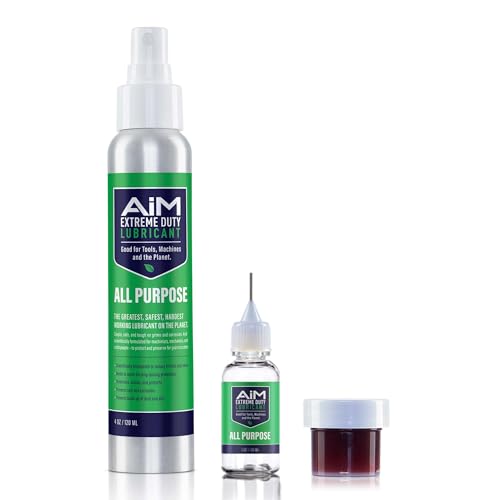
Unlike the belt-only oil and spray, this kit is described for exercise equipment guide rods and moving parts as well as treadmill belts. It contains 4 ounces of lubricant, 0.25 ounce of grease and an empty needle-tip bottle. The maker says its silicone-based formula is intended to reduce friction and help protect treadmill belts, while the kit format gives buyers more than one lubricant consistency. It may suit home or gym equipment owners maintaining several types of moving parts. The tradeoff is that this bundle is less focused than a single-purpose belt oil, so match each component to the lubricant its machine requires.
Bottom line: Pick this when maintenance includes guide rods and moving parts, not just a belt.
Rocket TT Treadmill Silicone Spray, 13.5 oz
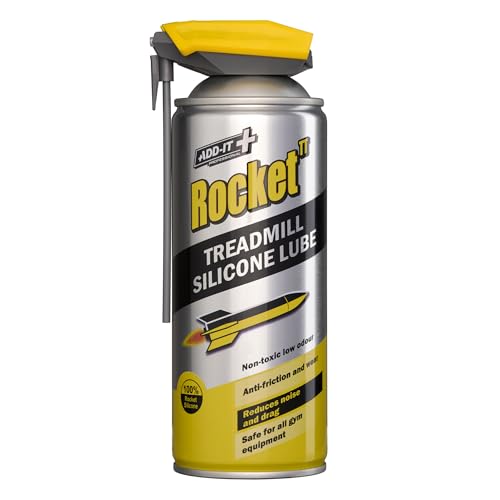
Compared with the precision-tube oil, this option comes as a 13.5-ounce spray can and is marketed for treadmill belts and other fitness equipment, including bikes and rowing machines. The maker describes the formula as 100% silicone and says it is intended to reduce friction, noise and drag and help maintain belt stability. That broad equipment focus may suit buyers who prefer a spray format. The limitation is application control: the specifications do not identify a dedicated under-belt tube, so confirm that the spray can be applied appropriately to your specific machine before using it.
Bottom line: Choose the spray format for equipment whose manufacturer permits silicone spray.
How to choose silicone lubricant for gym equipment
Start with the machine’s maintenance requirement, because some treadmills use lubricated belts while others use a maintenance-free or different belt system. Silicone oil is a common treadmill-belt lubricant, but it is not interchangeable with every grease, wax or spray. Match the product type to the part: belt oil for a compatible treadmill deck, and a general equipment lubricant only where the machine maker permits it. Applicator reach also matters; a tube that reaches beneath the belt can apply lubricant without loosening the belt when the machine design allows that method. If the manual specifies a lubricant type, that instruction decides the choice. When the manual is unavailable, confirm the required lubricant and application method before ordering rather than assuming every silicone product is suitable.
Treadmill belt fit and application
Apply lubricant only to the belt-and-deck area when the treadmill maker calls for it; silicone on the walking surface can make footing slippery. A treadmill’s belt material, deck coating and lubrication system determine what product is compatible, so a spray for general equipment is not automatically right for the deck. Applicators are useful when they can reach under the belt and spread lubricant across its width; a 10-inch tube is the maximum reach specified for one option here. Keep lubricant away from the top walking surface, rollers, motor and electrical parts unless the manual specifically directs otherwise. Power the machine off and unplug it before maintenance, and follow the manufacturer’s procedure for lifting or loosening the belt.
Oil, spray and grease compared
Choose oil, spray or grease by the component rather than by the word silicone on the container. Treadmill belt oil is designed for under-belt application, while a spray can may be easier to direct at accessible parts but can overspray. Grease is thicker and commonly serves specific contact points such as rods, bearings or seals; it is not a substitute for belt oil unless the equipment maker approves it. These formats are not interchangeable, and adding lubricant to the wrong surface can create slipping or interfere with the equipment. This chart summarizes the distinction.
| Format | Typical target | Selection point |
|---|---|---|
| Silicone oil | Compatible treadmill belt and deck | Applicator reach and belt compatibility |
| Silicone spray | Parts explicitly approved for spray | Control overspray and keep off walking surface |
| Grease | Specified rods, bearings or seals | Use only where the machine requires grease |
How often gym equipment needs lubrication
There is no single service interval for all treadmills: belt materials, deck systems and usage differ, and some models are designed not to need routine belt lubrication. Follow the interval in the machine manual rather than applying silicone on a fixed schedule; too much lubricant can migrate onto areas where traction matters. Dust and debris can also collect around the belt and deck, so routine cleaning is part of maintenance even when lubrication is not due. Before applying lubricant, inspect the belt and deck for wear and check whether the equipment maker calls for a belt adjustment or another service step. Stop if the belt slips or tracks unevenly, since lubrication alone may not address the cause.
Frequently Asked Questions
Can silicone lubricant go on every treadmill belt?
No; some treadmill belts require silicone, while others use a different system or need no routine belt lubrication. Check the machine’s belt and deck requirements before applying any lubricant.
Can treadmill silicone lubricant make the belt slippery?
Yes, lubricant on the walking surface can reduce footing. Apply it only where the maintenance procedure directs, typically beneath the belt on a compatible system.
Should I use spray or oil under a treadmill belt?
Use the format specified by the treadmill maker. A tube applicator can reach beneath the belt, while a spray is easier to misdirect onto the walking surface or nearby parts.
How often should treadmill belts be lubricated?
The interval depends on the treadmill’s belt system and use, and some models do not need routine lubrication. Use the maintenance interval for the specific machine rather than applying lubricant on a universal schedule.
Can silicone lubricant be used on gym equipment guide rods?
Only when the equipment maker permits silicone on those rods. Guide rods, bearings and seals can require different lubricant types, so use the recommended formula for each component.