
Toenail Softener for Thick Nails: 4 Options Compared

For a cream specifically meant to soften thick, hardened toenails before trimming, Miracle of Aloe Toenail Softener is the closest match; its formula combines 60% aloe vera with tea tree oil. If you prefer a urea gel or dropper application, choose a different format, and seek clinical advice for a painful, discolored, or unusually thick nail rather than relying on grooming products alone.
We earn a commission if you buy through links on this page. As an Amazon Associate I earn from qualifying purchases. Products are compared on manufacturer specifications, not hands-on testing.
- Best overall: Miracle of Aloe Toenail Softener – A cream explicitly formulated to soften thick, hard toenails before trimming.
- Best for brush-on urea: Urea Nail Gel 50% – A 50% urea gel with a brush applicator and twice-daily directions.
| Product | Best for | Format | Key formula | Size | Shop |
|---|---|---|---|---|---|
| Miracle of Aloe Toenail Softener | Cream before trimming | Cream | 60% aloe vera; tea tree oil | 1 oz | Check Price on Amazon |
| Urea Nail Gel 50% | Brush-on urea gel | Gel, brush-on | 50% urea | 2 oz | Check Price on Amazon |
| Gilden Tree Urea Gel 42% | Larger urea gel | Clear gel | 42% urea; salicylic and hyaluronic acids | 4 oz | Check Price on Amazon |
| Barielle Toenail Softening Cream | Bedtime cream | Cream | Aloe vera; softening agents | 1.18 oz | Check Price on Amazon |
Toenail Softeners for Thick Nails
Compare the application style and formula to decide which option fits your nail-grooming routine.
Miracle of Aloe Toenail Softener

Miracle of Aloe Toenail Softener is a cream intended specifically for thick, hard toenails, while the other options include drops and urea gels. The 1-ounce tube combines 60% aloe vera with tea tree oil, and the maker says it is non-greasy and intended for overnight care. That bedtime format may suit someone who wants to soften nails ahead of a morning trim. The formula is not a substitute for diagnosing a nail that has changed color, become painful, or thickened suddenly; get medical guidance for those signs.
Bottom line: Choose this cream if you want overnight softening before routine trimming.
Urea Nail Gel 50%

Urea Nail Gel 50% stands out for its brush-on application and concentrated 50% urea formula; it is also positioned for cuticles and rough skin. The maker directs users to apply a thin coat to clean, dry areas twice daily and describes the gel as fast-absorbing and non-greasy. That broader use may suit someone caring for nail edges as well as thick nails. The formula is not a narrow nail-only cream, so buyers wanting a simple overnight toenail cream may prefer a more targeted format. Avoid applying strong urea products to broken or irritated skin without professional advice.
Bottom line: Pick this if you want a brush-on urea gel for nails and rough skin.
Gilden Tree Urea Gel 42%
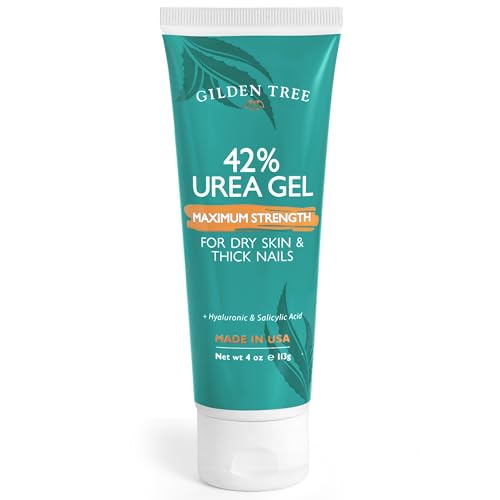
Gilden Tree Urea Gel 42% offers a 4-ounce clear gel with 42% urea, plus salicylic and hyaluronic acids; its larger container distinguishes it from the other nail-focused options. The maker says regular use softens thick toenails and also targets cracked heel calluses. The oil-free gel format may appeal to people who want one product for nails and dry foot areas. The formula addresses more than toenails, so it may be less suitable if you want a cream dedicated to trimming prep. Strong urea products can irritate skin, so use caution around cracks or sensitive areas.
Bottom line: Choose this if you want a larger gel for both thick nails and rough foot skin.
Barielle Toenail Softening Cream

Barielle Toenail Softening Cream is an aloe-based cream with softening agents, and its routine differs from a once-daily treatment: rub it onto toenails at bedtime for easier cutting and filing in the morning. The 1.18-ounce size is slightly larger than a 1-ounce tube, while remaining a nail-specific cream rather than a multipurpose foot gel. It may fit buyers who prefer a straightforward bedtime application. The maker describes temporary softening, so this is for grooming preparation, not a lasting change to nail thickness or treatment of an underlying nail condition.
Bottom line: Pick this if you want an aloe cream used at bedtime for morning grooming.
How to choose a toenail softener
Choose by formula and application: creams are aimed at nail grooming, while urea gels in this group also target rough skin or calluses. Concentrations here range from 42% to 50% urea, and these are strong formulas; keep them off broken or irritated skin unless a clinician advises otherwise. For routine trimming, a bedtime cream or a product with clear morning-and-evening directions may make it easier to plan care. If the nail is painful, rapidly changing, or discolored, arrange medical evaluation instead of assuming a softener will address the cause. Never force-cut a thick nail; trim small amounts straight across with clean clippers.
Urea gels and aloe creams compared
Urea gels and aloe creams serve overlapping but distinct routines: the gel options list 42% or 50% urea, while the creams emphasize aloe and nail-softening use. The 50% gel calls for twice-daily brush-on use; the cream options include bedtime routines. A higher urea percentage is not automatically a better fit if the target is only trimming prep or if surrounding skin is sensitive. Use this guide to match format and purpose rather than treating concentration as a ranking.
| Routine need | Format to consider | Decision point |
|---|---|---|
| Prep for trimming | Nail-softening cream | Bedtime application suits next-morning grooming |
| Nails plus rough skin | Urea gel | Compare concentration and application directions |
| Targeted application and cushioning | Precision drops with toe caps | Check cap comfort in footwear |
Safe trimming for thick toenails
Trim thick nails after bathing or a softening routine, when the nail may be easier to manage, and cut straight across in small stages rather than rounding deep into the corners. Use clean clippers sized for toenails; forcing a single cut can split a hard nail or injure nearby skin. People with diabetes, poor circulation, reduced sensation, or recurring ingrown nails should ask a clinician or podiatrist about nail care before self-trimming, because a small cut can become a more serious problem. Avoid sharing nail tools, and clean them after each use.
When thick nails need medical attention
A softener is a grooming aid, not a diagnosis or treatment for the cause of nail thickening. A nail that becomes yellow, crumbly, painful, lifts from the nail bed, or changes quickly deserves evaluation; fungal infection and repeated shoe pressure are among possible causes, and they need different care. Do not dig under the nail or use sharp tools to remove material. Keep feet dry, change damp socks, and choose shoes with room at the toe so repeated pressure does not worsen nail trauma. Seek prompt medical advice for redness, drainage, swelling, or increasing pain.
Frequently Asked Questions
How long should I soften thick toenails before trimming?
Bedtime application is the routine for the cream options, while the 50% urea gel directions call for twice-daily use. Do not force a cut if the nail remains hard; trim gradually or ask a podiatrist for help.
Can I use urea gel on cracked skin?
Avoid applying concentrated urea gel to open cracks or irritated skin unless a clinician advises it. Urea concentrations of 42% and 50% are strong, and broken skin can sting or become more irritated.
Should thick toenails be cut straight across?
Yes, cut straight across in small increments and avoid digging into the corners. Leaving a little nail beyond the toe tip helps reduce the chance of cutting skin or encouraging an ingrown edge.
When should a thick toenail be checked by a doctor?
Arrange an evaluation for pain, discoloration, crumbling, lifting, or a sudden change in thickness. Redness, swelling, or drainage calls for prompt medical advice rather than more trimming.