
Tools to Melt Holes in Plastic: 4 Options Compared

For melting drainage holes in flowerpots, Plant Pot Perforator and Hot Knife is the closest match because it is designed to punch holes in pot bottoms or sides and includes multiple tips. Choose a cartridge-specific tool instead for toner refills; hot knives suit cutting thin plastic rather than making controlled holes.
We earn a commission if you buy through links on this page. As an Amazon Associate I earn from qualifying purchases. Products are compared on manufacturer specifications, not hands-on testing.
- Best overall: Plant Pot Perforator and Hot Knife – Designed for flowerpot holes and supplied with several tips plus two knife heads.
- Best for toner cartridges: InkOwl Hole-in-ONE Toner Tool – Heats to melt a ring into toner-cartridge plastic and captures the removed circle.
- Best for craft cutting: 30W Hot Knife with 16 Blades – Includes 16 blades and reaches 380–400°C for cutting foam and plastic.
| Product | Best for | Intended use | Included accessories | Shop |
|---|---|---|---|---|
| Plant Pot Perforator and Hot Knife | Flowerpot drainage | Flowerpot holes and shaping | 5 tips, 2 knife heads | Check Price on Amazon |
| InkOwl Hole-in-ONE Toner Tool | Toner refilling | Toner cartridge opening | Cartridge hole tool | Check Price on Amazon |
| 30W Hot Knife with 10 Blades | Thin craft cuts | Cutting thin plastic, foam, fabric | 10 blades, 2 holders, stand | Check Price on Amazon |
| 30W Hot Knife with 16 Blades | Temperature-specific cuts | Plastic and foam cutting | 16 blades, 4 holders, stand | Check Price on Amazon |
Tools to Melt Holes in Plastic
Match the tool to the plastic part and the shape of opening you need; a cutter is not automatically a hole punch.
Plant Pot Perforator and Hot Knife

For flowerpot drainage, this two-in-one tool is more directly suited than a general hot knife because it is designed to make holes in pot bottoms or sides. It comes with five tip sizes and two knife heads, allowing both perforating and cutting. Choose it for DIY pot work when multiple tip options matter; for toner cartridges, a dedicated cartridge tool is a more targeted choice. Use a heat-safe work surface and keep the hot tip away from skin and nearby materials.
Bottom line: Choose this for flowerpot holes and occasional pot shaping.
InkOwl Hole-in-ONE Toner Tool
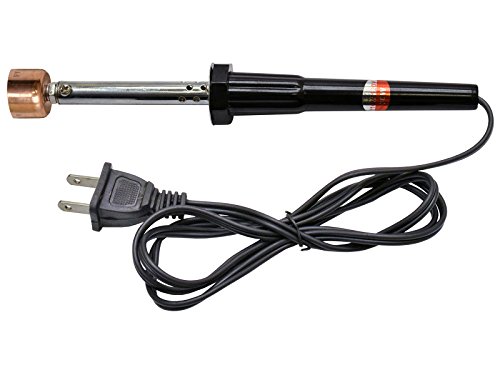
For toner-cartridge refilling, this specialized tool melts a ring into the cartridge and retains the cut plastic circle in the tool. Its purpose is narrower than the flowerpot perforator or craft hot knives, so it makes sense only when the cartridge refill process calls for a melted opening. The maker cautions that drills can send plastic bits into sensitive cartridge components. Check whether the refill kit for your specific cartridge requires this tool before choosing it; it is not presented as a general-purpose plastic cutter. Let the tool cool before removing the captured plastic piece.
Bottom line: Pick this for a toner cartridge when its refill process requires a melted hole.
30W Hot Knife with 10 Blades
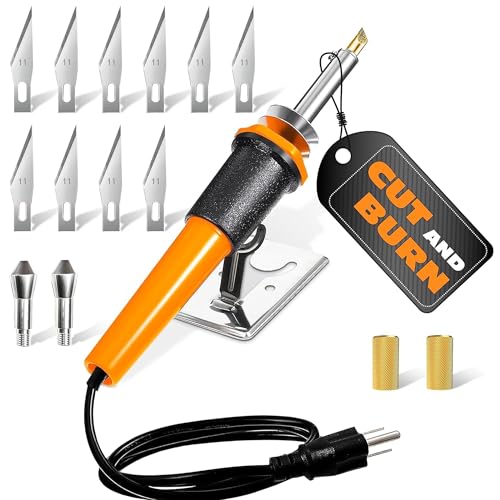
For cutting rather than punching, this 30W hot knife melts through thin plastic, foam, mesh and fabric, leaving a sealed edge according to the maker. The kit has 10 carbon-steel blades, two holders and a stand, making it the better fit here for projects that need a cut line or trim. The maker excludes cardboard and thick plastic sheets, so do not select it for those materials or assume it will create a controlled drainage hole. Seat the blade fully, tighten it, then re-tighten the nut with pliers after heating because metal expands.
Bottom line: Choose this for cuts through thin plastic and craft materials, not defined holes.
30W Hot Knife with 16 Blades

For buyers who want a heat range, this 30W cutter is specified at 380–400°C and takes 3–5 minutes to preheat. It is a cutting tool for plastic and foam crafts, not a dedicated hole-making tool like the flowerpot and toner options. The package includes 16 blades, four holders and a metal stand, plus a 55-inch power cord. The maker advises protective gloves and notes that a slight odor during initial use may fade within about 10 minutes. Choose it when blade variety and the temperature range matter more than controlled hole placement.
Bottom line: Pick this for craft cuts when the temperature range is useful.
How to choose a plastic-melting tool
Start with the shape of the job: a hole needs a pointed or ring-forming tip, while a hot knife is made to travel along a cut line. Plant Pot Perforator and Hot Knife is intended for flowerpot holes, and InkOwl Hole-in-ONE Toner Tool melts a ring into toner cartridges; 30W Hot Knife with 10 Blades and 30W Hot Knife with 16 Blades are cutting tools. For a hole in a thin craft sheet, choose a tip geometry that can make the opening you need rather than assuming a knife blade will do it cleanly. Keep the target material thin enough for the tool and follow its limits: 30W Hot Knife with 10 Blades explicitly excludes cardboard and thick plastic sheets. If you cannot identify the plastic or determine whether it tolerates heat, do not heat it until you verify its material compatibility.
Hot knife versus hole-making tool
A hot knife and a hole-making tool solve different problems: the knife creates a path, while a perforator or ring tip opens a localized area. The table maps the tools to their tasks; it does not mean that a cutter is suitable for every plastic. Plastic sheets vary in thickness and composition, so test a small scrap of the same material when the tool and material are compatible. Avoid forcing a blade through a thick sheet, which can bend or bind the blade. Keep the heated tip or blade on its stand between cuts, and place the work on a stable, heat-resistant surface.
| Need | Tool type | Match |
|---|---|---|
| Flowerpot drainage opening | Pot perforator | Plant Pot Perforator and Hot Knife |
| Toner cartridge refill opening | Cartridge hole tool | InkOwl Hole-in-ONE Toner Tool |
| Thin-plastic craft cut | Hot knife | 30W Hot Knife with 10 Blades or 30W Hot Knife with 16 Blades |
Heat, fumes and safe handling
Heated plastic can release irritating fumes, and a hot blade can burn skin or ignite nearby material. Work with good ventilation, keep the tool away from children and flammable items, and use a heat-resistant stand rather than setting a hot tool directly on a bench. Gloves are advised for 30W Hot Knife with 16 Blades, which reaches 380–400°C; that temperature is hot enough to cause severe burns. Never handle a heated blade or tip to check whether it is ready. Unplug the tool and allow it to cool fully before changing accessories or removing trapped plastic. If an unfamiliar plastic smokes or gives off a strong odor, stop and move away from the fumes.
Frequently Asked Questions
Can a hot knife make a round hole in plastic?
A hot knife is designed to cut along a path, not necessarily to make a round, controlled opening. Use a perforator or purpose-made hole tip when the hole diameter and placement matter, and check that the tip suits the plastic thickness.
How long do these hot knives take to preheat?
The 30W tool with 16 blades specifies a 3–5 minute preheat. The other hot knife says to wait until fully heated but gives no preheat time, so use its heat-ready guidance rather than assuming the same interval.
Should I melt holes in PVC plastic?
Avoid heating PVC unless the tool maker and material guidance explicitly permit it. Heated PVC can release corrosive, harmful fumes; identify the plastic first and provide strong ventilation for any approved heating work.
How do I stop a hot knife blade from loosening?
Seat the blade fully in its holder and tighten the retaining nut before use. Metal expands when hot, so the 30W hot knife maker advises re-tightening the nut with pliers after heating; handle the assembly carefully to avoid burns.
Can I use a toner hole tool on a plant pot?
A toner hole tool is made to melt a ring into toner-cartridge plastic, not to form pot drainage holes. For flowerpots, use a tool intended for pot perforation and select an appropriate tip for the pot material.