
Vanman Tooth Powder: 3 Formulas Compared by Fit

Vanman’s Miracle Tooth Cleaning Powder is the closest fit for shoppers seeking its charcoal-and-eggshell formula, while the other powders use mint or cinnamon profiles. Choose a different formula if you prefer a named flavor or want cattle-bone-derived hydroxyapatite.
Tooth powder is a dry brushing product applied to a wet toothbrush; the formulas differ in ingredients and flavor rather than package size.
We earn a commission if you buy through links on this page. As an Amazon Associate I earn from qualifying purchases. Products are compared on manufacturer specifications, not hands-on testing.
- Best overall: Vanman’s Miracle Tooth Powder, Charcoal & Eggshell – Combines bentonite clay, activated charcoal, and eggshell powder in a fluoride-free formula.
- Best for mint: Vanman’s Mint and Bone Tooth Powder – Pairs peppermint oil and baking soda with cattle-bone-derived hydroxyapatite.
- Best for cinnamon: Vanman’s Miracle Tooth Powder, Cinnamon – Combines bentonite clay, baking soda, sea salt, and cinnamon oil.
| Product | Best for | Featured ingredients | Flavor | Shop |
|---|---|---|---|---|
| Vanman’s Miracle Tooth Powder, Charcoal & Eggshell | Charcoal formula | Bentonite clay, activated charcoal | — | Check Price on Amazon |
| Vanman’s Mint and Bone Tooth Powder | Mint flavor | Hydroxyapatite, bentonite clay, baking soda | Mint | Check Price on Amazon |
| Vanman’s Miracle Tooth Powder, Cinnamon | Cinnamon formula | Bentonite clay, baking soda | Cinnamon | Check Price on Amazon |
Vanman Tooth Powders
Compare the three tooth powders by their featured ingredients, flavor, and package size.
Vanman’s Miracle Tooth Powder, Charcoal & Eggshell

Charcoal and eggshell powder distinguish this fluoride-free Miracle formula from the mint-and-bone and cinnamon versions. The 2.2-ounce powder also features bentonite clay, and the maker says it can be used on its own or as a booster with flavored toothpaste. Application starts with a wet toothbrush; shake off excess water, then dip the brush into the powder.
This is the clearest fit for shoppers who specifically want the charcoal-and-eggshell combination. Its fluoride-free formula matters to buyers choosing a toothpaste for cavity prevention, since fluoride is the standard ingredient to look for in cavity-protection toothpaste.
Bottom line: Choose this if charcoal and eggshell powder are your preferred formula features.
Vanman’s Mint and Bone Tooth Powder
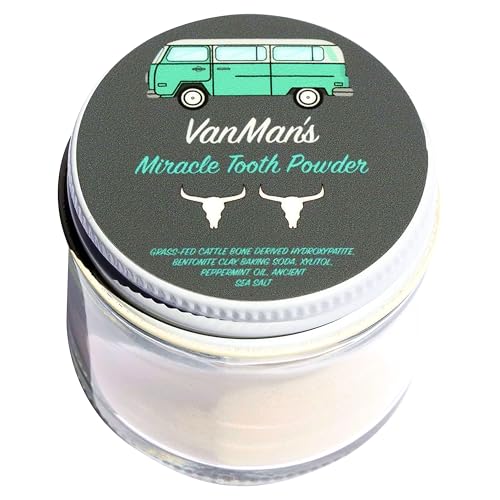
Mint flavor and cattle-bone-derived hydroxyapatite set this powder apart from the charcoal-and-eggshell and cinnamon options. Its formula also includes bentonite clay, peppermint oil, and baking soda, and the maker presents it as a mineral-rich powder. To apply it, wet a toothbrush, shake off excess water, dip it into the powder, and brush.
This formula suits shoppers looking for mint and a named hydroxyapatite ingredient.
Bottom line: Pick this if mint and cattle-bone-derived hydroxyapatite match your preferences.
Vanman’s Miracle Tooth Powder, Cinnamon
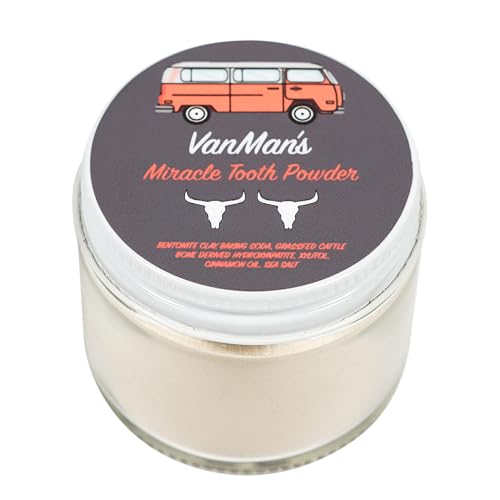
Cinnamon oil, sea salt, and baking soda distinguish this Miracle powder from the charcoal-and-eggshell and mint versions. The formula also features bentonite clay and grass-fed cattle-bone hydroxyapatite; the maker identifies it as fluoride-free. It comes in a 2.2-ounce container and is described as usable alone or as a booster with flavored toothpaste.
This is the fit for shoppers who want a cinnamon profile alongside hydroxyapatite. The fluoride-free formula may not suit someone seeking a toothpaste with fluoride for cavity prevention, so weigh that ingredient choice against your dental-care needs.
Bottom line: Choose this if cinnamon and a fluoride-free formula are your priorities.
How to Choose a Vanman Tooth Powder
Choose by flavor and featured ingredients first, then decide whether fluoride-free toothpaste fits your cavity-prevention routine. The three powders here share a 2.2-ounce container size, but their ingredient combinations differ: charcoal and eggshell, mint with hydroxyapatite, or cinnamon with hydroxyapatite. Fluoride is the most established toothpaste ingredient for reducing cavity risk; the American Dental Association recommends brushing twice a day with fluoride toothpaste. If your dentist has recommended fluoride, do not treat a mineral or charcoal claim as a substitute for that advice. Tooth powder is dry, so dampen the brush and remove excess water before dipping to reduce excess powder and splatter.
Tooth Powder Ingredients and Fluoride
Fluoride status is an important dividing line among these formulas: two are identified as fluoride-free, while the mint-and-bone product name does not establish its fluoride status. Fluoride toothpaste helps strengthen enamel and prevent cavities, so buyers with a cavity-prevention goal should choose a toothpaste carrying the ADA Seal of Acceptance when possible. The seal requires evidence against ADA criteria; ingredient claims such as “mineral rich” or “remineralizing” do not establish that seal. Charcoal is a colorant and abrasive ingredient in some oral-care products, but evidence that charcoal toothpaste whitens better than conventional toothpaste is limited. For sensitivity or a high cavity risk, ask a dentist before replacing a fluoride toothpaste with a fluoride-free powder.
Tooth Powder Application and Brushing Technique
Use a soft-bristled brush and brush for two minutes twice daily, guiding the bristles gently along the gumline and all tooth surfaces. A damp brush gives powder a surface to cling to; shaking away excess water before dipping helps keep a jar of powder from becoming wet. Avoid sharing a toothbrush or letting a wet brush touch the container, since moisture can contaminate dry products. Do not scrub harder to compensate for a powder texture: brushing pressure can contribute to gum irritation and enamel wear. People with braces, dental work, or sensitive gums can ask a dental professional whether a particular powder is suitable for their routine.
| Preference | Formula to consider |
|---|---|
| Charcoal and eggshell | Miracle Tooth Cleaning Powder |
| Mint and hydroxyapatite | Mint and Bone Tooth Powder |
| Cinnamon and hydroxyapatite | Miracle Tooth Powder with Cinnamon |
Common Tooth Powder Buying Mistakes
Do not assume that “whitening” means a product has proven bleaching ingredients or will change the natural color of teeth. Many toothpastes remove surface stains through polishing, while peroxide-based products can bleach deeper discoloration; the powders described here do not name peroxide. Also distinguish formula claims from cavity protection: hydroxyapatite, clay, charcoal, and a fluoride-free label do not by themselves establish the same cavity-prevention evidence as fluoride toothpaste. If you use powder only as a booster, keep a fluoride toothpaste in your routine when cavity prevention is a priority. People with persistent tooth pain, bleeding gums, or new sensitivity should seek dental advice rather than relying on a powder change.
Frequently Asked Questions
Can tooth powder replace fluoride toothpaste?
For cavity prevention, fluoride toothpaste remains the standard recommendation for most people. The American Dental Association advises brushing twice daily with fluoride toothpaste, so ask a dentist before replacing it, especially if you have elevated cavity risk.
How do you apply tooth powder to a toothbrush?
Wet the brush and shake off excess water before dipping it into the powder. Brush for two minutes, twice daily, using gentle pressure and a soft-bristled brush.
Does charcoal tooth powder whiten teeth?
Charcoal may help polish some surface stains, but evidence that charcoal toothpaste whitens better than conventional toothpaste is limited. Tooth powders without peroxide should not be assumed to bleach deeper discoloration.
How often should you replace a toothbrush?
Replace a toothbrush about every three to four months, or sooner when the bristles become frayed. Worn bristles clean less effectively and may irritate gums.