
Wind Screens for Patios: 4 Options Compared

For a patio seating area without a fence to cover, VEVOR Retractable Side Awning, 71 x 118 in. is the closest fit: its retractable screen measures 71 by 118 inches. Choose a fence-mounted mesh option instead if you need a longer run of coverage along an existing fence.
Patio wind screens are barriers that reduce exposure while preserving some airflow; the best fit depends on where you can mount the screen and how much area you need to cover.
We earn a commission if you buy through links on this page. As an Amazon Associate I earn from qualifying purchases. Products are compared on manufacturer specifications, not hands-on testing.
- Best overall: VEVOR Retractable Side Awning, 71 x 118 in. – A retractable 71-by-118-inch side awning suits a defined patio seating area.
- Best for 8-foot fences: KANAGAWA Fence Privacy Screen, 8 x 50 ft. – The 8-by-50-foot screen is sized for a tall, long fence run.
- Best for 4-foot fences: i COVER Fence Privacy Screen, 4 x 50 ft. – The 4-by-50-foot mesh is made for fences about 4 feet high.
| Product | Best for | Coverage | Material | Mounting style | Shop |
|---|---|---|---|---|---|
| VEVOR Retractable Side Awning, 71 x 118 in. | Patio seating areas | 71 x 118 in. | 280 g/m² polyester; aluminum frame | Retractable side awning | Check Price on Amazon |
| KANAGAWA Fence Privacy Screen, 8 x 50 ft. | Tall fence runs | 8 x 50 ft. | 170 GSM fabric | Fence-mounted mesh | Check Price on Amazon |
| i COVER Fence Privacy Screen, 4 x 50 ft. | Four-foot fences | 4 x 50 ft. | Knitted mesh | Fence-mounted mesh | Check Price on Amazon |
| Windscreen4less Fence Screen, 6 x 50 ft. | Six-foot fences | 6 x 50 ft. | Polyethylene fabric | Fence-mounted mesh | Check Price on Amazon |
Wind Screens for Patios Compared
Start with the mounting location: a retractable side awning serves a patio area, while the mesh screens cover fence runs.
VEVOR Retractable Side Awning, 71 x 118 in.
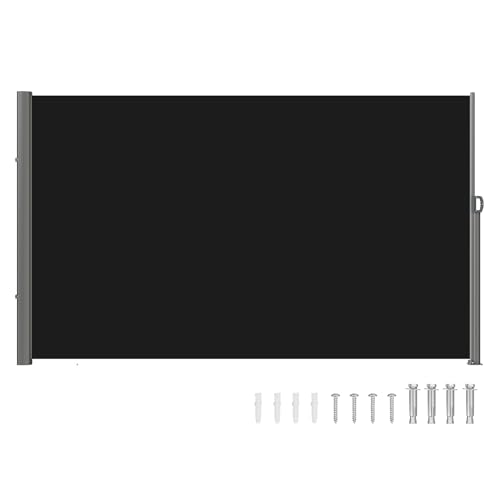
Unlike the long fence covers, this side awning is a retractable screen for a defined patio area. It measures 71 by 118 inches and uses a 280 g/m² polyester fabric with a PU coating and an aluminum-alloy frame. The maker says the fabric is waterproof, UV resistant, breathable, and flame retardant, and the screen can be extended or rolled back into its housing. It suits buyers who want a screen beside a seating area rather than across a fence. Its limited width makes it a poor fit for covering a long boundary.
Bottom line: Choose this for a retractable screen beside a patio seating area.
KANAGAWA Fence Privacy Screen, 8 x 50 ft.

The 8-foot height distinguishes this fence screen from the shorter mesh options. It covers a run 50 feet long, uses 170 GSM fabric, and includes 80 cable zip ties. The maker claims 90% blockage and describes reinforced edges and brass grommets for outdoor use. This is a fit for a tall fence where privacy across a long stretch is the goal, not a movable screen beside a patio table. Measure fence height and length before choosing; a 50-foot roll can be more material than a small patio needs.
Bottom line: Choose this for a tall fence that needs a long privacy screen.
i COVER Fence Privacy Screen, 4 x 50 ft.

This 4-foot-tall mesh is intended for fences about 4 feet high, making it the shorter fence option here. Its knitted construction is designed to allow air to pass while reducing visibility, and it has reinforced bindings, brass grommets, and included cable zip ties. It suits buyers who want a breathable fence topper instead of a retractable patio divider. The 50-foot length is still substantial, so check the fence run before purchasing; this screen is not sized to provide full-height coverage on a taller fence.
Bottom line: Choose this for a roughly 4-foot fence where airflow matters.
Windscreen4less Fence Screen, 6 x 50 ft.
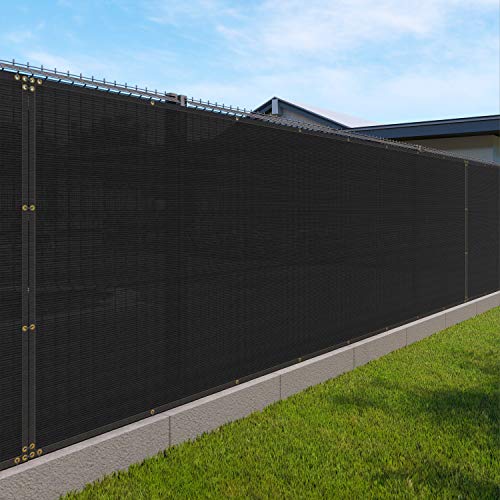
This 6-foot-high fence screen fills the gap between the 4-foot and 8-foot mesh options. It is made from breathable polyethylene fabric with stitched edges and reinforced brass grommets. The maker claims 90% visibility blocking and notes that the material may have a 3-to-6-inch size error before stretching. It suits a fence or deck boundary needing a taller continuous cover, rather than a retractable screen for a compact seating space. Allow for the noted size variation when measuring, and secure the fabric along its reinforced edges.
Bottom line: Choose this for a six-foot fence or deck boundary that needs broad coverage.
How to Choose Patio Wind Screens
Choose a screen by mounting location first: a side awning fits a defined seating area, while fence mesh is meant to cover an existing boundary. Then measure the span and height; these options range from a 71-by-118-inch awning to fence rolls 50 feet long and 4, 6, or 8 feet tall. Mesh can reduce visibility while allowing some airflow, whereas any broad, taut screen can catch wind. For an exposed patio, use a secure attachment to a sound post or fence and avoid relying on a loose temporary tie. A screen that blocks more wind may also place more force on its supports.
Fence Screen Height and Coverage
Match fence screen height to the part of the fence you want covered: the available mesh sizes are 4, 6, and 8 feet high, each 50 feet long. Measure the fence itself rather than relying on its nominal height, and note whether posts, rails, or uneven ground change the covered area. A useful rule is to choose the 4-foot screen only when the fence is about 4 feet high; taller fences need a taller screen to avoid a large uncovered strip. For a short patio boundary, a 50-foot roll may require cutting or leaving excess material, so plan the full run before selecting a length.
Mesh Versus Retractable Patio Screens
Mesh fence covers are better suited to long, fixed boundaries; retractable side awnings are intended for a specific patio area. A mesh screen is attached to fence rails or supports and remains in place, while a retractable screen can be rolled back when you want the area open. The VEVOR awning is 71 by 118 inches; the fence screens are each 50 feet long, so the coverage formats are not interchangeable. Use this quick guide to match type to job:
| Need | Screen type | Stated size |
|---|---|---|
| Screen a seating area | Retractable side awning | 71 x 118 in. |
| Cover a short fence | Fence mesh | 4 x 50 ft. |
| Cover a taller fence | Fence mesh | 6 or 8 x 50 ft. |
Wind and Installation Considerations
Securement matters because a screen exposed to gusts can transfer force to its posts, rails, and fasteners. Attach fence mesh at its reinforced edges and distribute attachment points rather than leaving long loose sections that can flap. Inspect the fence before installation; cracked posts or loose rails are not sound anchors for a large fabric panel. Retractable screens should be extended only when the mounting structure is stable, then retracted when the area is not in use or conditions become gusty. Preserve airflow where possible: a porous mesh is less like a solid wall, but no screen should be assumed windproof.
Frequently Asked Questions
Do patio wind screens stop all wind?
No screen should be treated as a complete wind barrier. Mesh allows some airflow, while a broader fabric panel can still catch gusts and load its supports; secure mounting is essential.
How do I measure a fence for a privacy screen?
Measure the fence height and the length of the run you want to cover in feet. Compare those figures with the screen dimensions, and account for posts or uneven ground that could leave gaps.
Can fence mesh block wind and still let air through?
Yes, knitted or breathable mesh can reduce visibility while allowing some air through. More open fabric generally preserves more airflow, but coverage and actual wind reduction vary by material and installation.
Should I leave a retractable awning open in strong wind?
No; retract the screen when gusty conditions put strain on the awning or its supports. A 71-by-118-inch panel still presents a broad surface to the wind.
How much overlap should fence privacy screens have?
Measure the complete fence run and avoid assuming the panels will stretch to fill gaps. The 50-foot screens here are sold as single lengths, so plan the endpoint and any gate openings before attaching.