
Zoe Extra Virgin Olive Oil: 5 Options Compared

For a familiar Spanish blend in a two-tin pack, choose ZOE Extra Virgin Olive Oil, 1-Liter Tins; its one-liter tins pair Picual and Hojiblanca oils and carry the NAOOA quality seal. Choose ZOE Organic Extra Virgin Olive Oil, 25.5 oz, ZOE Organic Extra Virgin Olive Oil, 25.5 oz 2-Pack or ZOE Organic Extra Virgin Olive Oil, 2.5 L instead if organic certification or a different quantity matters more, and consider ZOE Extra Virgin Olive Oil, 3 L for a single 3-liter tin.
Extra virgin olive oil is mechanically extracted oil that meets chemical and sensory criteria; tin size and how quickly you use the oil matter when choosing a package.
We earn a commission if you buy through links on this page. As an Amazon Associate I earn from qualifying purchases. Products are compared on manufacturer specifications, not hands-on testing.
- Best overall: ZOE Extra Virgin Olive Oil, 1-Liter Tins – Two one-liter tins offer a Spanish Picual and Hojiblanca blend and the NAOOA quality seal.
- Best for organic single tin: ZOE Organic Extra Virgin Olive Oil, 25.5 oz – The 25.5-ounce tin is USDA Organic and Non-GMO Project Verified.
- Best for organic multipack: ZOE Organic Extra Virgin Olive Oil, 25.5 oz 2-Pack – Two 25.5-ounce tins combine organic certification with a smaller tin size.
- Best for larger quantity: ZOE Extra Virgin Olive Oil, 3 L – One 3-liter tin holds more oil than the other single-tin options.
| Product | Best for | Package size | Pack count | Organic certification | Shop |
|---|---|---|---|---|---|
| ZOE Extra Virgin Olive Oil, 1-Liter Tins | Everyday Spanish blend | 1 L each | 2 | — | Check Price on Amazon |
| ZOE Organic Extra Virgin Olive Oil, 25.5 oz | Certified organic | 25.5 oz | 1 | USDA Organic | Check Price on Amazon |
| ZOE Organic Extra Virgin Olive Oil, 25.5 oz 2-Pack | Organic multipack | 25.5 oz each | 2 | Eco-cert Organic | Check Price on Amazon |
| ZOE Organic Extra Virgin Olive Oil, 2.5 L | Organic large tin | 2.5 L | 1 | — | Check Price on Amazon |
| ZOE Extra Virgin Olive Oil, 3 L | Large single tin | 3 L | 1 | — | Check Price on Amazon |
Zoe extra virgin olive oil options
Compare package size, quantity and certifications to choose the tin that fits your cooking routine.
ZOE Extra Virgin Olive Oil, 1-Liter Tins

ZOE Extra Virgin Olive Oil, 1-Liter Tins stands apart for its two one-liter tins and blend of Spanish Picual and Hojiblanca varieties. The oil is cold pressed, and its described flavor profile includes delicate fruit, butter, pepper, basil, almond and artichoke. The product carries a NAOOA certified quality seal and is made from olives from Castilla-La Mancha, Spain. Two tins may suit households that want a reserve container while using one at a time. The pack is less suitable if you specifically want organic certification or prefer a single large tin.
Bottom line: Pick this if you want two manageable tins of a Spanish blend with the NAOOA seal.
ZOE Organic Extra Virgin Olive Oil, 25.5 oz
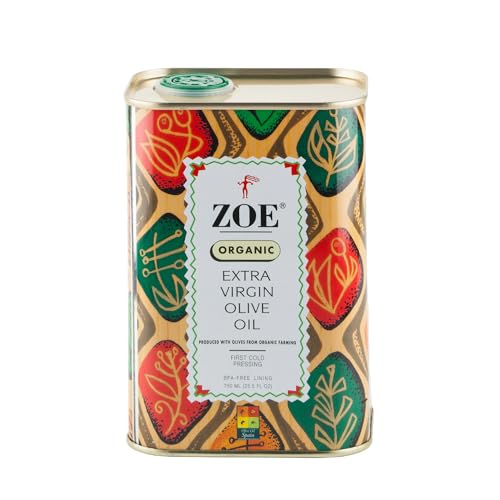
ZOE Organic Extra Virgin Olive Oil, 25.5 oz is the single-tin option here with USDA Organic certification and Non-GMO Project verification. Its 25.5-ounce size is smaller than the multi-liter packages, which can help a household finish a tin before opening a replacement. The maker describes the oil as first cold pressed, fruity and suited to salads, vegetables, pasta, seafood, marinades, dipping and cooking. The tin has a BPA-free lining. Choose another option if you need a larger reserve or want more than one tin in the pack.
Bottom line: Choose this if organic certification and a single 25.5-ounce tin match your needs.
ZOE Organic Extra Virgin Olive Oil, 25.5 oz 2-Pack
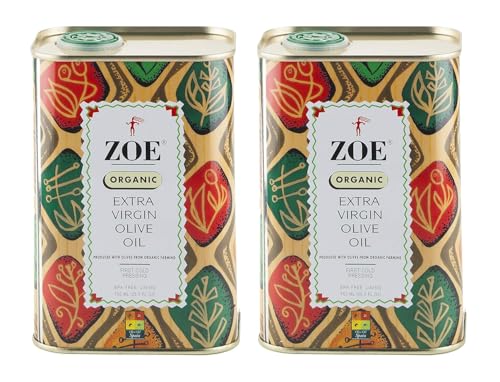
ZOE Organic Extra Virgin Olive Oil, 25.5 oz 2-Pack pairs two 25.5-ounce tins, differentiating it from the single-tin organic option through its multipack format. Its features describe an aromatic fruit-and-butter profile with basil, almond, artichoke and a peppery finish, and identify Cornicabra olives from Castilla-La Mancha, Spain. The package has BPA-free lining, and the product features cite Eco-cert organic certification. Two tins suit cooks who use olive oil regularly but prefer smaller containers over a single large tin. Verify that the certification named here matches the specific organic credential you require.
Bottom line: Pick this if you want two smaller tins and the cited Eco-cert organic certification.
ZOE Organic Extra Virgin Olive Oil, 2.5 L

ZOE Organic Extra Virgin Olive Oil, 2.5 L is the largest single package among the organic options, with 2.5 liters in one container. Its attributes identify kosher status and natural or organic ingredients, but do not give a specific organic certifier, so buyers who need a particular certification should confirm that before ordering. A larger tin suits frequent cooking when oil is used steadily; it is a less fitting choice for occasional use because olive oil gradually loses freshness after opening. Choose a smaller package if you expect to use it slowly.
Bottom line: Choose this if a single 2.5-liter package suits your usage pace.
ZOE Extra Virgin Olive Oil, 3 L

ZOE Extra Virgin Olive Oil, 3 L provides one 3-liter tin, the biggest single container among these choices. Its product name describes the oil as freshly harvested, first cold-pressed and high in polyphenols, while its features mention a fresh-fruit aroma and rich green color. The tin is described as BPA-free; the origin wording conflicts, so confirm the country of origin if that matters to your choice. This size suits cooks who use olive oil often. Occasional users may prefer a smaller tin to limit the time oil spends open.
Bottom line: Pick this if you want one large tin and will use it regularly.
How to choose Zoe extra virgin olive oil
Choose by certification, package size and how quickly your household uses oil. Extra virgin olive oil must meet an international standard of no more than 0.8% free acidity, expressed as oleic acid, along with sensory requirements; acidity alone does not establish quality. Cold extraction generally refers to extraction below 27°C, and the term describes processing rather than a guarantee of flavor or nutrient level. For a smaller household that uses oil slowly, a 25.5-ounce tin is easier to finish promptly; frequent cooks may find a multi-liter tin more practical. Organic credentials differ across these options, so select the specific certification you need rather than treating organic wording as interchangeable.
Package size and freshness after opening
A smaller tin is usually the better fit when you use olive oil gradually, while a larger tin works when your cooking routine consumes it steadily. Oxygen, heat and light accelerate oxidation, so close the container promptly and store it in a cool, dark cupboard away from the stove. Do not decant a large quantity into a clear bottle for countertop storage. Use smaller containers for table service and refill them from the main tin as needed. Olive oil does not become unsafe the moment it loses freshness, but stale, rancid odors or flavors are a reason to stop using it for food.
What cold pressed and extra virgin mean
Extra virgin is a defined grade, not just a synonym for premium oil: the International Olive Council standard combines a free-acidity ceiling of 0.8% with sensory checks for defects and positive fruitiness. “Cold pressed” is common consumer wording; modern mills often use centrifuges rather than traditional presses. Cold extraction is generally limited to temperatures below 27°C, which can help retain volatile aromas but does not guarantee that every oil tastes alike. Harvest timing, olive variety and storage also shape flavor. A peppery finish can be a normal sensory trait, not a defect; choose a milder profile if you want less assertive flavor in delicate dishes.
Cooking and storing olive oil safely
Olive oil is suitable for sautéing and many roasting tasks, but the smoke point varies with oil composition, refinement and age; there is no single dependable temperature for every bottle. Avoid heating oil until it smokes, and ventilate the kitchen if a pan begins smoking. For high-heat cooking, use moderate heat and keep the oil away from open flames. Store tins tightly closed in a cool, dark place; heat and light speed flavor deterioration. Do not store oil next to an oven or in a sunny window. Tin packaging blocks light while closed, but careful handling after opening still matters.
Frequently Asked Questions
How long does olive oil stay fresh after opening?
For best flavor, use opened extra virgin olive oil within a few months; heat, oxygen and light can shorten that window. Keep the tin closed between uses in a cool, dark cupboard.
Can extra virgin olive oil be used for frying?
Yes, extra virgin olive oil can be used for pan-frying and sautéing when the oil is not allowed to smoke. Its smoke point varies, so moderate heat is a practical choice for routine cooking.
Does a peppery finish mean olive oil is spoiled?
No, pepperiness can be a normal flavor characteristic of extra virgin olive oil. A stale, waxy or rancid odor is a stronger sign that oil has lost freshness.
Should olive oil be refrigerated after opening?
Refrigeration is not necessary for ordinary storage; a cool, dark cupboard is suitable. Cold can make olive oil cloudy or solidify temporarily, but it returns to liquid at room temperature.
What does cold pressed mean for olive oil?
Cold extraction generally means the oil is extracted below 27°C. That temperature limit relates to processing, while olive variety, harvest timing and storage also influence taste.