
5.3 Knock Sensor Relocation Kits Compared by Fit

For a 5.3 LS Gen III engine, Gen III LS Relocation Kit, 36-Inch is the clearest fit because it names LM7, L59 and L33 compatibility and flags a 4WD sensor-placement consideration. Choose another option if you need a different harness length or a bracket-specific configuration.
Knock sensor relocation kits move sensors from the valley area to an engine-block mounting position and extend the wiring to reach them.
We earn a commission if you buy through links on this page. As an Amazon Associate I earn from qualifying purchases. Products are compared on manufacturer specifications, not hands-on testing.
- Best overall: Gen III LS Relocation Kit, 36-Inch – Names the common 5.3 LS codes and notes that some 4WD applications need both sensors on the passenger-side bracket.
- Best for extra reach: Gen III LS Billet Kit, 47-Inch – Includes a 47-inch extension harness, longer than the 36-inch harnesses in several other kits.
- Best for billet brackets: Gen III LS Billet Kit, 36-Inch – Specifies two billet aluminum brackets, mounting bolts and a 36-inch harness.
| Product | Best for | Engine fit | Harness length | Bracket material | Shop |
|---|---|---|---|---|---|
| Gen III LS Relocation Kit, 36-Inch | 5.3 LS fit | LM7, L59, L33 | 36 in. | 6061 billet aluminum | Check Price on Amazon |
| Gen III LS Billet Kit, 47-Inch | Longer harness | LS1, LM7, LR4, LQ4, LS6, L59, LQ9, LM4, L33 | 47 in. | Aluminum alloy | Check Price on Amazon |
| Gen III LS Billet Kit, 36-Inch | Complete bracket set | LS1, LM7, LR4, LQ4, LS6, L59, LQ9 | 36 in. | Billet aluminum | Check Price on Amazon |
| Gen 3 LS Relocation Kit, 36-Inch | M10 sensors | LS1, LS6, LQ4, LQ9, LM7, L59, LR4, L33 | 36 in. | — | Check Price on Amazon |
| GM Gen 3 LS Relocation Kit | Top-side access | LS1, LS6, LQ4, LQ9, LM7, LR4, L33, LY5, LY6 | — | — | Check Price on Amazon |
5.3 Knock Sensor Relocation Kits
Compare engine-code fit, harness reach and bracket details before choosing a Gen III LS relocation setup.
Gen III LS Relocation Kit, 36-Inch

For a 5.3 LS application, this kit explicitly names the LM7, L59 and L33 engine codes and includes a 36-inch extension harness. It moves Gen III knock sensors from the valley pan area to the lower edge of the engine block, and its brackets are CNC-machined from 6061 billet aluminum. The maker says some 4WD applications require both sensors on the passenger-side bracket, so check the vehicle layout before choosing a mounting arrangement. The fit is for Gen III sensors and harnesses, not later LS generations.
Bottom line: Choose this when your 5.3 engine code is listed and the 36-inch harness suits your routing.
Gen III LS Billet Kit, 47-Inch

The 47-inch extension harness distinguishes this kit from the 36-inch options, which can help when the engine or harness routing needs more reach. It includes driver-side and passenger-side billet aluminum brackets with a multi-port mounting design for relocating two sensors to the underside of the block. Its compatibility includes LM7, L59 and L33, among other Gen III LS codes. The maker describes the bracket material as aluminum alloy; buyers who need a precisely identified alloy grade should confirm that before ordering.
Bottom line: Choose this when a 47-inch extension and two-sided bracket set match your installation.
Gen III LS Billet Kit, 36-Inch

This kit spells out a two-bracket package with mounting bolts and a 36-inch extension harness, making the included hardware easy to compare against a parts plan. It is designed for Gen III LS applications using single-wire knock sensors and relocates sensors away from the factory valley-cover position to the engine block. The engine codes include LM7 and L59, both 5.3 applications.
Bottom line: Choose this when you want the billet bracket, bolt and harness combination.
Gen 3 LS Relocation Kit, 36-Inch
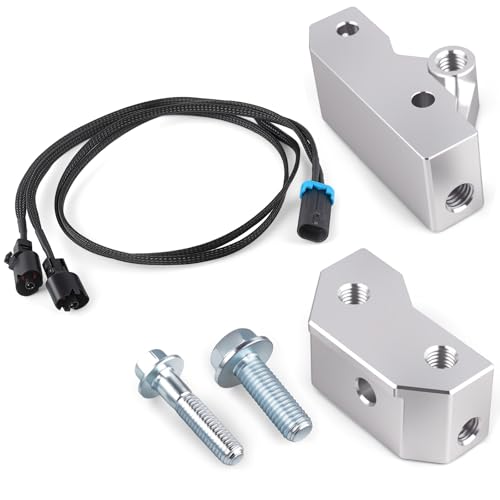
The M10 thread specification is the notable fit detail here, and compatibility is limited to Gen 3 knock sensors. The kit relocates sensors from the valley-pan area to the lower engine-block edge and includes a 36-inch harness. Its fit codes include LM7, L59 and L33, but the maker separately warns that it is not applicable to LQ4 6.0 applications despite listing LQ4 among compatible codes; resolve that conflict before buying if your engine is an LQ4. Installation access can be tight, and no installation guide is included.
Bottom line: Choose this only after confirming the sensor thread and resolving the LQ4 fit conflict if relevant.
GM Gen 3 LS Relocation Kit

This kit is the only option here that specifically promotes relocating sensors to the cylinder heads and avoiding intake-manifold removal. Its fit includes the 5.3 LM7 and L33 among a broader range of GM Gen 3 LS V8 variants. The maker excludes Gen 4 LS3 and L92 engines as well as earlier small-block engines, so engine generation is an important fit boundary. Harness length and bracket material are not supplied in the specifications, making this a less useful choice when wire reach or bracket construction is a deciding requirement.
Bottom line: Choose this if its cylinder-head mounting approach matches your plan and you can verify harness reach.
How to choose a 5.3 knock sensor relocation kit
Start with the engine code and generation, not the 5.3 displacement alone. The LM7, L59 and L33 are Gen III 5.3 variants represented in these kits, while a 5.3 badge by itself does not establish sensor type or harness compatibility. Match the kit to Gen III knock sensors, then compare the claimed mounting location and harness reach. A 36-inch extension is the common length among several choices here; the 47-inch option is the outlier when routing needs additional slack. Also check whether the plan mounts sensors on the block underside or cylinder heads: those are distinct installation approaches, not interchangeable descriptions. For a 4WD application, confirm bracket placement before ordering because some layouts may require both sensors on one side.
Where relocated knock sensors fit on a 5.3 LS
Relocation kits generally move the sensors from the valley-pan area to an external position on the block, while one kit describes a cylinder-head location. The mounting position affects access and wiring route, so identify nearby obstructions before selecting a bracket arrangement. A 36-inch harness may be sufficient for a compact route, but measure from the sensor connector to the intended mount with the harness path included; do not count a taut, straight-line distance as usable slack. Keep wiring away from exhaust heat, sharp edges and moving parts, and secure excess length so it cannot rub. If the vehicle is four-wheel drive, check whether transfer-case or chassis clearance changes the available bracket location.
Relocation kit differences at a glance
Harness reach and bracket arrangement are the practical differences among these Gen III LS kits. Use the table to narrow the options, then confirm the engine code and sensor setup on the vehicle because a broad engine-family label does not guarantee every configuration.
| Need | Kit distinction | Decision check |
|---|---|---|
| Standard extension reach | 36-inch harness options | Measure the planned wire route |
| More extension length | 47-inch harness option | Secure the extra harness slack |
| Specific bracket approach | Block underside or cylinder-head placement | Confirm mount location and clearance |
Frequently Asked Questions
Which 5.3 LS engines are Gen III?
Common Gen III 5.3 codes include LM7, L59 and L33. Match the engine code and sensor generation rather than relying only on displacement.
How long should a knock sensor extension harness be?
Measure the complete route from the sensor connector to the planned mounting point before choosing. A 36-inch harness is common among these kits, while one option is 47 inches; leave slack for secure routing rather than stretching the wire.
Can a relocation kit fit a Gen 4 LS engine?
These options are aimed at Gen III LS engines, and one explicitly excludes Gen 4 LS3 and L92 engines. Check generation and sensor compatibility before buying a kit for a later engine.
Where do relocated LS knock sensors mount?
Relocation approaches in these kits include the lower edge or underside of the engine block and, in one case, the cylinder heads. Confirm the specific mount location and clearance around nearby parts before selecting a kit.
What should 4WD owners check before relocating sensors?
Check bracket clearance and sensor placement against the vehicle’s drivetrain layout. One kit notes that some 4WD applications need both sensors on the passenger-side bracket, so a standard side-to-side arrangement may not suit every setup.