
Cooper Discoverer 265/70R17 Tires Compared by Use

For a versatile all-terrain option in 265/70R17, choose Cooper Discoverer Road + Trail AT because its continuous tread extends onto the sidewall for added grip on soft or uneven ground. Drivers who face severe winter conditions should consider a snow-specific tire, while heavy-duty loads or more extreme trails call for a different construction and rating.
These Cooper Discoverer tires share the nominal size but vary in load rating, winter certification and intended terrain, so confirm that the vehicle placard allows the tire’s exact size and load range.
We earn a commission if you buy through links on this page. As an Amazon Associate I earn from qualifying purchases. Products are compared on manufacturer specifications, not hands-on testing.
- Best overall: Cooper Discoverer Road + Trail AT – All-terrain tread with interlocking blocks and a sidewall-extending pattern.
- Best for winter: Cooper Discoverer Snow Claw – Winter tread, stud pins and Three-Peak Mountain Snowflake certification.
- Best for rough terrain: Cooper Discoverer Rugged Trek – Extra-load all-weather construction with a 60,000-mile treadwear warranty.
- Best for light-truck loads: Cooper Discoverer Stronghold AT – E-rated LT tire with a 123/120R load index.
| Product | Best for | Tire type | Winter certification | Shop |
|---|---|---|---|---|
| Cooper Discoverer Road + Trail AT | Mixed terrain | All-terrain | — | Check Price on Amazon |
| Cooper Discoverer Snow Claw | Winter driving | Winter | Three-Peak Mountain Snowflake | Check Price on Amazon |
| Cooper Discoverer Rugged Trek | Rugged all-weather | Rugged terrain | Three-Peak Mountain Snowflake | Check Price on Amazon |
| Cooper Discoverer Stronghold AT | LT all-terrain | All-terrain | — | Check Price on Amazon |
| Cooper Discoverer STT Pro | Extreme off-road | Extreme off-road | — | Check Price on Amazon |
Cooper Discoverer 265/70R17 tires
Compare the tread purpose and load markings before choosing a tire for your vehicle.
Cooper Discoverer Road + Trail AT

Cooper Discoverer Road + Trail AT is the standard-load all-terrain choice here, with a continuous tread pattern that extends down the sidewall and interlocking tread blocks. Cooper says its design supports grip on uneven terrain and wet or dry roads, while also resisting cutting, cracking and tearing on tough trails. The 115T SL marking distinguishes it from the extra-load and LT options. This fit suits drivers splitting time between paved roads and moderate unpaved routes; it is not the winter-specific choice for frequent severe snow.
Bottom line: Choose it for mixed road and trail use when standard-load fitment is appropriate.
Cooper Discoverer Snow Claw
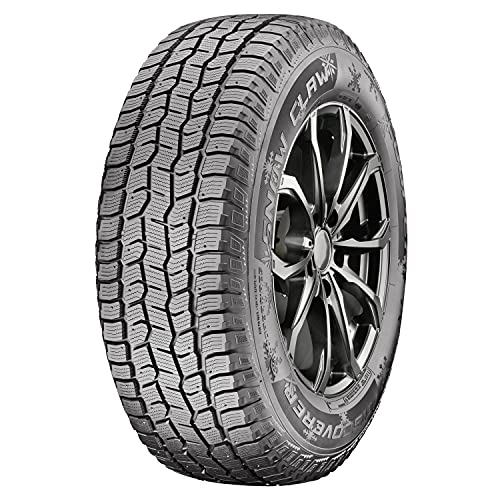
Cooper Discoverer Snow Claw is the dedicated winter tire in this group, with a flexible cold-weather tread compound and Cooper’s Snow Groove Technology, which uses trapped snow to support traction. It is pinned for studs and carries Three-Peak Mountain Snowflake certification, making it a fit for drivers encountering severe winter conditions. Its 115T standard-load marking matches the other standard-load tire here, but this winter-focused tread is less suited to buyers who prioritize year-round trail versatility.
Bottom line: Pick it for severe winter conditions and a vehicle approved for its standard-load fit.
Cooper Discoverer Rugged Trek
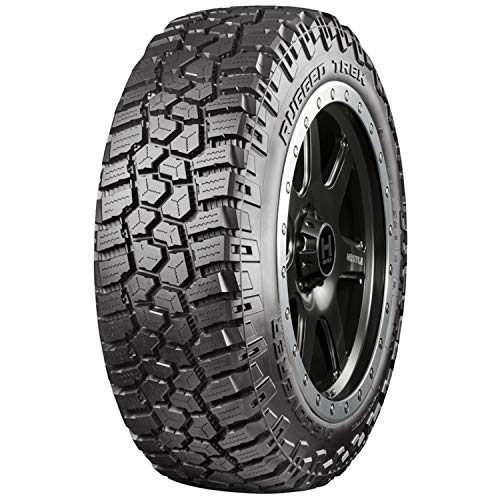
Cooper Discoverer Rugged Trek combines a rugged-terrain design with an extra-load 116T rating, setting it apart from the standard-load and LT tires. Cooper says its tread is up to 30% deeper than its traditional all-terrain tires; the maker also provides a 60,000-mile treadwear warranty. Its dual-sidewall design offers two shoulder patterns, and the tire is Three-Peak Mountain Snowflake certified. Choose it for a more aggressive all-weather setup, but verify that the vehicle is approved for the XL specification rather than assuming equal size means equal fit.
Bottom line: Choose it for an extra-load rugged-tread option with severe-snow certification.
Cooper Discoverer Stronghold AT

Cooper Discoverer Stronghold AT is the light-truck all-terrain option, with an LT265/70R17 size and E, 10-ply construction rather than the SL or XL markings on the other tires. Its wide tread grooves are designed to grab and release soft surfaces, while Cooper’s 3D-sipe technology supports stability. The 123/120R load index is a meaningful distinction for approved light-truck fitments, but the LT construction and heavier 51.21-pound stated weight make it important to match the vehicle’s requirements, not just the diameter.
Bottom line: Pick it when the vehicle calls for an E-rated light-truck all-terrain tire.
Cooper Discoverer STT Pro

Cooper Discoverer STT Pro targets the most extreme off-road use among these options, with an all-season tread and LT265/70R17 size. Cooper identifies it as its most extreme all-season off-road tire and says the tread design helps prevent stone retention; Armor Tek3 construction is intended to add durability. Its 121/118Q rating differs from the Stronghold AT’s 123/120R, so it is not an automatic replacement for that E-rated tire. This choice suits trail-focused drivers willing to prioritize off-road capability over a milder all-terrain tread.
Bottom line: Choose it for an aggressive off-road focus when its LT rating matches the vehicle.
How to choose a Cooper Discoverer tire
Choose by the vehicle’s approved size and load marking first, then by the terrain and weather you encounter. In 265/70R17, the first number is section width in millimeters, 70 is the sidewall height as a percentage of width, and 17 is the wheel diameter in inches. The letters and numbers after the size matter: SL, XL and LT constructions are not interchangeable simply because the nominal size matches. Use the driver-door placard and owner’s manual to identify approved fitments and load requirements, then compare tread purpose. For regular severe winter use, favor a tire marked Three-Peak Mountain Snowflake; for mixed roads and trails, use an all-terrain pattern instead.
Understanding tire load and fit markings
Load range and load index identify different aspects of capacity, and the vehicle’s requirements decide which marking is acceptable. SL denotes standard load, XL denotes extra load, and LT identifies a light-truck tire; the Stronghold AT’s E, 10-ply marking is distinct from the SL and XL tires in this comparison. A 265/70R17 label alone does not confirm clearance, wheel compatibility or sufficient load capacity. Keep replacement tires within the vehicle maker’s approved size and load range; do not use a lower load rating than the placard specifies. The quick guide below shows the broad use distinction, not a substitute fitment approval.
| Marking or tread | Typical implication | Decision point |
|---|---|---|
| SL | Standard load | Use only if approved for vehicle |
| XL | Extra load | Check placard and pressure guidance |
| LT, E | Light-truck, E load range | Match approved LT fitment |
| Three-Peak symbol | Severe-snow qualification | For frequent winter conditions |
All-terrain versus winter and off-road tires
All-terrain tires trade specialized tread behavior for broader road and trail use, while winter tires use cold-flexible compounds and snow-focused patterns. A Three-Peak Mountain Snowflake mark indicates qualification for severe snow conditions, but it does not mean a tire is a dedicated winter design or removes the need for cautious driving. Choose the Snow Claw for winter emphasis, the Road + Trail AT for mixed terrain, and the STT Pro for an extreme off-road focus, provided each matches the vehicle.
When to replace or rotate 265/70R17 tires
Rotate tires at the interval in the vehicle manual; many passenger vehicles use roughly 5,000- to 7,500-mile intervals, while drivetrain and tire designs can change the schedule. Check tread depth regularly: 2/32 inch is the U.S. legal minimum in most states, but wet and snowy traction can be compromised well before that point. Uneven wear, bulges, exposed cords or repeated pressure loss call for prompt inspection by a tire professional. Set inflation pressure from the vehicle placard when tires are cold, not the maximum pressure printed on the sidewall. A winter-certified tire still needs adequate tread and correct pressure to perform as intended.
Frequently Asked Questions
What does 265/70R17 mean on a tire?
The marking means a nominal 265-millimeter width, a sidewall height equal to 70% of that width, and a tire for a 17-inch wheel. The actual mounted diameter and width can vary by tire model and measuring rim.
Can I replace an SL tire with an XL tire?
Only if the vehicle maker approves the size and load specification. SL means standard load and XL means extra load, so matching the 265/70R17 size alone does not establish compatibility.
Are Three-Peak tires the same as winter tires?
No. Three-Peak Mountain Snowflake certification qualifies a tire for severe-snow conditions, but dedicated winter tires also use compounds designed to remain flexible in cold weather. The Snow Claw is specifically identified as a winter tire and carries the certification.
How often should 265/70R17 tires be rotated?
Many vehicles use rotation intervals around 5,000 to 7,500 miles, but drivetrain and tire design can change the schedule. Follow the interval for the vehicle, and inspect sooner if tread wear appears uneven.
What tread depth is too low for driving?
In most U.S. states, 2/32 inch is the legal minimum tread depth, and wet or snowy grip can decline before that point. Check multiple grooves because wear can vary across the tread and between tires.