
High-Temperature Silicone Sealant 1000 Degrees Compared

For a flexible silicone seal near 1,000°F, none of these products matches that target: Clear RTV Silicone, 3.38 oz and J-B Weld 31314 Red RTV Gasket Maker reach 650°F intermittently, while Meeco’s Red Devil 601C Clear Silicone reaches 500°F intermittently.
High-temperature silicone is an elastic RTV sealant that cures with moisture in the air; refractory sealant is intended for high-heat masonry joints and hardens after exposure to heat.
We earn a commission if you buy through links on this page. As an Amazon Associate I earn from qualifying purchases. Products are compared on manufacturer specifications, not hands-on testing.
- Best overall: Stnkeno Black High-Temperature Silicone – Its 650°C range covers 1,000°F, unlike the lower-rated silicone alternatives.
- Best for oven and grill seams: Clear RTV Silicone, 3.38 oz – Clear RTV silicone is rated for 550°F continuous and 650°F intermittent heat.
| Product | Best for | Cure behavior | Package | Shop |
|---|---|---|---|---|
| Clear RTV Silicone, 3.38 oz | Oven and grill seams | 24-hour full cure | 3.38 oz | Check Price on Amazon |
| Stnkeno Black High-Temperature Silicone | Flexible black seals | Remains elastic after curing | 3.53 oz | Check Price on Amazon |
| Meeco’s Red Devil 601C Clear Silicone | Pellet stove flues | RTV silicone | 10.3 fl oz | Check Price on Amazon |
| J-B Weld 31314 Red RTV Gasket Maker | Mechanical gaskets | Moisture-cures in air | 3 oz | Check Price on Amazon |
High-Temperature Silicone Sealant Compared
Compare heat limits and sealant types carefully because the highest-rated option is not silicone.
Clear RTV Silicone, 3.38 oz

This clear RTV silicone is the closest match for a flexible silicone sealant aimed at oven, grill, and fireplace joints. The maker rates it for 550°F continuous heat and 650°F intermittent peaks, with a 24-hour full cure. Its clear finish may suit visible seams where a black or red bead would stand out. The 650°F peak rating falls well short of 1,000°F, so it is not the right choice for a joint that will reach the search’s target temperature.
Bottom line: Pick it for flexible, clear appliance seams that remain within its heat rating.
Stnkeno Black High-Temperature Silicone

For a silicone product whose temperature range covers 1,000°F, this black adhesive-sealant is the standout: its maker gives a range of -50°C to 650°C, or about -58°F to 1,202°F. It is described as remaining elastic after curing, making flexibility its key difference from a hard-setting refractory product. The 3.53-ounce container suits smaller sealing jobs. The maker does not distinguish continuous from intermittent exposure, so buyers whose application depends on that difference should verify the operating rating before choosing it.
Bottom line: Choose it when the 650°C range fits and a flexible black seal is needed.
Meeco’s Red Devil 601C Clear Silicone
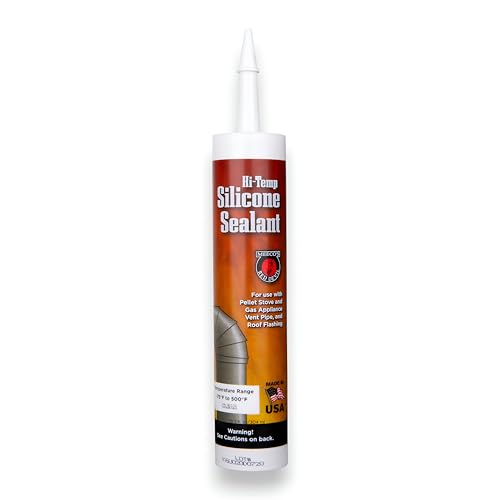
For vent connections, this clear RTV silicone comes in a larger 10.3-ounce cartridge than the smaller tubes, and its intended uses include pellet stove flues and gas vent pipes. The maker gives a 450°F continuous limit and 500°F intermittent limit; the cured bond is described as flexible and waterproof. It is a practical fit for lower-temperature flue joints, but it is not rated near 1,000°F. Do not substitute it where a vent or appliance requires a higher heat limit.
Bottom line: Choose it for compatible flue or vent joints that stay within its rating.
J-B Weld 31314 Red RTV Gasket Maker

For mechanical assemblies rather than visible appliance seams, this red RTV product is specifically presented as a gasket maker and sealant. Its range is up to 550°F continuous and 650°F intermittent, and it cures when exposed to moisture in air to form a waterproof seal. The 3-ounce tube is smaller than the 10.3-ounce cartridge for flue work. Its maximum rating is not close to 1,000°F, so it suits only assemblies that stay within the limits.
Bottom line: Pick it for a mechanical gasket where the temperature stays within its limits.
How to choose sealant near 1,000°F
Start with the joint temperature and the required material, not just the number on the tube. Among these options, only Stnkeno Black High-Temperature Silicone gives a silicone range that reaches 1,000°F, while its maker does not separate continuous from intermittent exposure. For comparison, the other silicone products top out between 500°F and 650°F intermittently. A measurable rule: if the joint can exceed 650°F, do not select Clear RTV Silicone, 3.38 oz, Meeco’s Red Devil 601C Clear Silicone, or J-B Weld 31314 Red RTV Gasket Maker based on their ratings. Confirm the appliance maker permits the sealant type and temperature rating; a high number alone does not establish compatibility with a flue, oven, or gasket.
Silicone RTV versus refractory sealant
RTV silicone cures into a rubber-like flexible seal, while refractory products can harden into a rigid mass under heat. That distinction matters because moving or vibrating joints need a sealant intended to flex, whereas masonry cracks may call for a hard-setting refractory material. Product temperature ratings also use different conditions: continuous heat is a sustained operating limit, and intermittent heat is a temporary peak, not a second continuous rating. This comparison contains silicone options from 450°F continuous to a 650°C stated range, plus a fireplace sealant rated after heating. Match both the material and the exposure pattern to the joint; do not treat the highest temperature figure as interchangeable across product types.
Surface preparation and curing for high-heat joints
Clean, dry surfaces help sealants bond; oil, soot, loose masonry, and old gasket residue can interfere with adhesion. Silicone RTV cures through moisture in the air, so a thick bead can take longer to cure through than a thin surface layer. Clear RTV Silicone, 3.38 oz gives a 24-hour full cure, while J-B Weld 31314 Red RTV Gasket Maker cures through air moisture. Do not expose uncured sealant to operating heat unless its instructions specifically allow it; premature heating can compromise a seal. Follow the curing and heat-up directions for the selected material and appliance.
Heat ratings and use cases compared
Use the continuous rating for sustained operation and the intermittent rating only for brief peaks. The chart separates those figures from products whose information gives a different temperature basis.
| Product type | Heat rating | Use distinction |
|---|---|---|
| Flexible RTV silicone | Up to 550°F continuous; 650°F intermittent on some products | Elastic sealing or gasket use |
| High-range black silicone adhesive | 650°C / 1,202°F range | Range given without continuous/peak split |
| Refractory fireplace sealant | Up to 2,700°F after heating | Hardens for high-heat masonry joints |
A sealant’s temperature number does not override an appliance’s required product type. Check whether the joint needs an elastic bond, a gasket maker, or a hard-setting masonry repair before selecting by heat limit.
Frequently Asked Questions
Can silicone sealant handle 1,000°F continuously?
The products here do not establish that any silicone can handle 1,000°F continuously. Stnkeno Black High-Temperature Silicone gives a 650°C range but does not separate sustained use from short peaks, so verify a continuous rating for an application that remains near 1,000°F.
How long does high-temperature RTV silicone take to cure?
Clear RTV Silicone, 3.38 oz gives a 24-hour full cure, and J-B Weld 31314 Red RTV Gasket Maker cures through moisture in the air. Thick beads generally take longer to cure through than thin ones, so allow adequate cure before applying heat.
Can fireplace sealant replace silicone caulk?
Refractory material suits compatible masonry joints, while moving or vibrating joints generally require an appropriate flexible sealant.
What does intermittent temperature rating mean?
An intermittent rating applies to temporary peaks rather than steady operation. For example, Clear RTV Silicone, 3.38 oz is rated 650°F intermittently and 550°F continuously, so sustained exposure should be compared against 550°F.
Can high-temperature silicone be used on every oven or flue?
No; temperature rating alone does not establish compatibility with a specific appliance, gasket, or vent material. Match the sealant type to the joint and confirm the appliance permits that material.