
Tektro HD-M275 Hydraulic Disc Parts Compared

For a Tektro HD-M275 replacement, choose HD-M275 Lever Pair for a lever set or TEKTRO E10.11 Resin Pads for resin brake pads; the right part depends on which component needs replacement.
Hydraulic disc brakes use fluid pressure to move pads against a rotor, so replacement parts must match the brake component and mounting or pad shape.
We earn a commission if you buy through links on this page. As an Amazon Associate I earn from qualifying purchases. Products are compared on manufacturer specifications, not hands-on testing.
- Best overall: HD-M275 Lever Pair – A pair of HD-M275 levers is the broadest match for replacing both levers.
- Best for pad replacement: TEKTRO E10.11 Resin Pads – The E10.11 resin pads list HD-T275 compatibility.
- Best for right-side lever: HD-M275 TKD143 Right Lever – This option is identified as an HD-M275 right lever.
| Product | Best for | Part type | Side or quantity | Material or compound | Shop |
|---|---|---|---|---|---|
| HD-M275 Lever Pair | Pair replacement | Brake levers | 1 pair | Aluminum alloy | Check Price on Amazon |
| TEKTRO E10.11 Resin Pads | Resin pad replacement | Brake pads | Pair count — | Organic resin | Check Price on Amazon |
| HD-M275 TKD143 Right Lever | Right-side lever | Brake lever | Right | — | Check Price on Amazon |
Tektro HD-M275 Hydraulic Disc Parts
Match the replacement to the lever or pad component you need, then verify the brake’s specific fit before installation.
HD-M275 Lever Pair

For replacing both lever controls, this pair is identified for the HD-M275 and includes two-finger lever components. The maker says reach is adjustable, which can help riders set the lever distance for their hand size. The package also references caliper components, so confirm exactly which pieces are included and that the brake connection matches your existing setup before ordering. The main limitation is that the one-size format offers no stated size choices; riders needing only one side may prefer a single-side option.
Bottom line: Choose this when you need a matching pair of HD-M275 levers.
TEKTRO E10.11 Resin Pads

These pads are the direct option for a pad change rather than a lever replacement, and their compatibility list includes HD-T275 and HD-T276. The organic resin compound is intended for smooth modulation; the maker says it reduces noise and rotor wear. Pad shape and backing-plate fit matter even when a brake model appears in a compatibility list, so compare the removed pads with the replacement before installation. Resin pads can suit everyday riding, but riders seeking a different compound should confirm that the alternative is compatible with their caliper and rotor.
Bottom line: Choose these for an E10.11 resin pad replacement after confirming pad shape.
HD-M275 TKD143 Right Lever
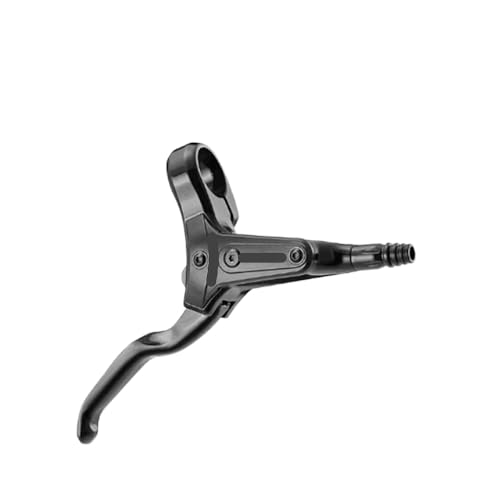
Unlike the paired controls, this option is identified as a right-side HD-M275/TKD143 lever, making it relevant when only that side needs replacement. Its name gives a specific lever family and side, but the specifications provide no material or adjustment details. Check whether your bike uses the right-side configuration before ordering, particularly if the brake hose routing or control placement differs from the expected setup. Because it is a single-side part, it is not the choice for replacing both controls together.
Bottom line: Choose this when you need only a right-side HD-M275 lever.
How to Choose HD-M275 Replacement Parts
Start by identifying whether the worn or damaged component is a lever or a pad, because these are not interchangeable parts. A hydraulic brake lever pressurizes fluid in a hose; the caliper then moves pads against the rotor. Pads are consumables, while a lever replacement requires a matching handlebar clamp and hydraulic connection. For a single damaged control, select the correct side; for a pair, choose a paired set. A decision rule: if the lever is intact and braking material is worn, compare pad shape and replace pads rather than buying another lever. After any hydraulic-line opening, the brake generally needs bleeding to remove trapped air; air can make lever feel spongy and reduce braking response.
HD-M275 Lever and Pad Fit
Brake-pad shape is set by the caliper, not just by the brake brand, so match the backing plate and retention arrangement of the old pad. Check pad thickness and rotor condition at the same time: a worn or contaminated rotor can compromise fresh pads. Lever fit is different; compare the clamp diameter, hose connection, and left/right orientation with the existing control. A nominal model match alone does not guarantee that every aftermarket assembly has the correct fittings. Before installation, confirm that the replacement is intended for a bicycle hydraulic system and that its hose connection matches your brake. If the existing setup uses a different lever or caliper family, do not assume the parts pair safely based only on similar appearance.
Hydraulic Brake Maintenance and Safe Setup
Hydraulic disc brakes need clean friction surfaces and a firm lever feel; oil or grease on pads and rotors can sharply reduce braking. Keep lubricant away from the rotor and pad faces, and replace contaminated pads rather than trying to restore them with household cleaners. Bedding-in new pads typically takes several controlled stops from moderate speed in a safe, traffic-free area; avoid holding the brake continuously during the process. A lever that pulls to the handlebar, feels unusually soft, or leaks fluid should not be treated as ready for riding. Hydraulic fluid type is system-specific, so never mix fluids based on appearance; verify the brake’s required fluid before bleeding or topping up.
Common HD-M275 Replacement Mistakes
The most common mistake is choosing a component by the brake’s name while overlooking whether the need is for pads, a lever, or a complete brake assembly. Another is fitting a control with incompatible clamp or hose connections; improvised adapters can create a poor seal or unsafe operation. Brake-side conventions can differ by region and bike setup, so inspect the existing hose routing rather than assuming which lever operates which wheel. After installation, check that the wheel spins without persistent pad rub and that the lever firms up before riding. For any work involving an opened hydraulic line, air, leaks, or uncertain fluid requirements, a bicycle mechanic can verify the system and complete the bleed.
Frequently Asked Questions
How can I tell when bicycle disc brake pads need replacing?
Inspect the friction material rather than judging by sound alone; many manufacturers recommend replacement when pad material is around 0.5 mm or less, excluding the backing plate. Check the brake maker’s limit because pad designs differ.
Do new hydraulic brake pads need to be bedded in?
Yes, bedding-in helps establish consistent contact between the pad and rotor. In a safe open area, use repeated controlled stops from moderate speed and avoid locking the wheel or holding the brake continuously.
Can I use any hydraulic fluid in a Tektro brake?
No; hydraulic brake systems require a specified fluid type, and mixing incompatible fluids can damage seals. Confirm the exact fluid requirement for the brake before bleeding or adding fluid.
Why does a hydraulic brake lever feel spongy?
Trapped air in the hydraulic line is a common cause of a spongy lever, though other faults can also affect feel. A brake that pulls unusually far or leaks should be inspected and repaired before riding.