
Thin Headbands for Guys: 4 Styles Compared by Fit

For most guys seeking a thin sports headband, Tough Headwear Thin Elastic Headbands, 6-Pack is the closest match because it combines a six-pack with a silicone grip and sweat-wicking fabric. Choose Thin Elastic Sports Headbands, 6-Pack instead if its 18–25-inch fit range and three-color mix matter; LTHYHJ Wavy Metal Headbands, 6-Piece Set is a spring-style metal option, while Men’s 3-Pack 4-Inch Sweatbands is a much wider sweatband.
We earn a commission if you buy through links on this page. As an Amazon Associate I earn from qualifying purchases. Products are compared on manufacturer specifications, not hands-on testing.
- Best overall: Tough Headwear Thin Elastic Headbands, 6-Pack – A six-pack of thin elastic bands with a silicone grip and sweat-wicking fabric.
- Best for size range: Thin Elastic Sports Headbands, 6-Pack – Its fit range is 18–25 inches, and the pack includes black, gray, and white bands.
- Best for spring style: LTHYHJ Wavy Metal Headbands, 6-Piece Set – A six-piece set of wavy spring-style metal bands with a 0.78-inch height.
- Best for wider coverage: Men’s 3-Pack 4-Inch Sweatbands – The tapered sweatband measures 4 inches wide for more forehead coverage.
| Product | Best for | Pack count | Width or fit | Style | Shop |
|---|---|---|---|---|---|
| Tough Headwear Thin Elastic Headbands, 6-Pack | Grip during workouts | 6 | — | Thin elastic | Check Price on Amazon |
| Thin Elastic Sports Headbands, 6-Pack | Defined fit range | 6 | 18–25 in | Thin elastic | Check Price on Amazon |
| LTHYHJ Wavy Metal Headbands, 6-Piece Set | Spring-style hold | 6 | 0.78 in high | Wavy metal | Check Price on Amazon |
| Men’s 3-Pack 4-Inch Sweatbands | Broad sweat coverage | 3 | 4 in wide | Tapered fabric | Check Price on Amazon |
Thin Headbands for Guys
Compare the fit, construction, and coverage to find a headband suited to how you plan to wear it.
Tough Headwear Thin Elastic Headbands, 6-Pack
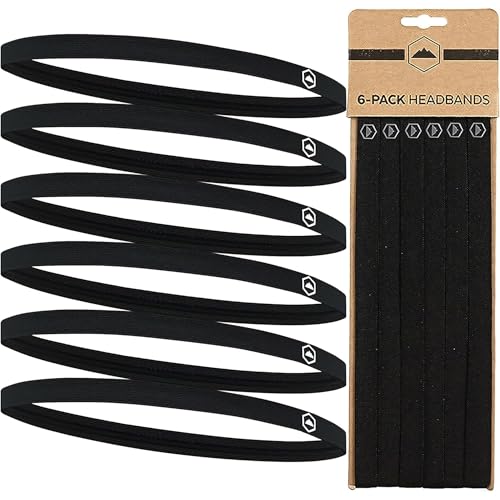
Tough Headwear Thin Elastic Headbands, 6-Pack is the closest fit for someone who wants a slim athletic band with extra grip: the six-pack uses a silicone grip and sweat-wicking fabric, according to the maker. The set is black, which keeps the color choice simple and consistent. Its thin elastic format suits workouts or keeping flyaways back without the broad forehead coverage of a sweatband.
Bottom line: Pick this if a slim, grippy workout band matters more than a size range.
Thin Elastic Sports Headbands, 6-Pack

Thin Elastic Sports Headbands, 6-Pack stands apart from the all-black set with three colors and a fit range of 18–25 inches. The maker says the elastic bands have a silicone grip and sweat-wicking fabric, making the set suitable for workouts where hair or sweat could distract. A range helps buyers compare against their own head circumference, but it does not guarantee the same feel on every head; hair volume and how tightly the band is worn can change comfort. Choose it when the size range and color variety are useful.
Bottom line: Choose this if you want a 18–25-inch range and multiple colors.
LTHYHJ Wavy Metal Headbands, 6-Piece Set

LTHYHJ Wavy Metal Headbands, 6-Piece Set differs from the elastic sports styles with a wavy spring-style metal design and a 0.78-inch height. The six-piece set is black, and the maker describes the bands as flexible and one size fits most adults. This construction is a better match for someone seeking a shaped hairband for workouts or daily wear than a fabric band designed to absorb sweat. Buyers who specifically want a soft elastic strip or moisture-wicking fabric should choose one of the fabric options instead.
Bottom line: Pick this for a narrow spring-style band rather than an elastic sweat-wicking strip.
Men’s 3-Pack 4-Inch Sweatbands

Men’s 3-Pack 4-Inch Sweatbands is the broad-coverage alternative, not a thin headband: each tapered band is 4 inches wide, and the pack includes black, white, and OD green. Its fabric is described by the maker as stretchy, breathable, sweat-wicking, and quick-drying; the band is also described as helmet-friendly. The wider shape can cover more forehead than a slim elastic band, but it is a poor choice if low-profile styling is the priority. Choose it for coverage during activities, not for the narrow look requested.
Bottom line: Choose this when you want broad sweat coverage and do not need a thin profile.
How to choose a thin headband for guys
Start with width and fit: a slim band around 0.5 inch or less looks low-profile, while a 4-inch band covers much more forehead. For a fitted elastic style, compare the range with your head circumference rather than assuming one size fits all. Sweat-wicking fabric is useful during exercise, while a silicone grip can help reduce sliding; neither feature guarantees a secure fit for every head shape. Decide whether you want hair control, sweat absorption, or both, since narrow bands and broad sweatbands serve different priorities. If an exact circumference is important, choose a model with a measured range and check that the range suits your head.
Thin elastic bands versus spring-style metal bands
Thin elastic and spring-style bands hold hair differently: elastic fabric stretches around the head, while a spring-shaped band relies on its shape and contact with hair. A flexible spring-style band can suit everyday styling, but it does not offer the fabric surface of a sweatband. For workouts with heavy perspiration, look for a sweat-wicking or absorbent fabric; a metal spring shape alone does not provide that function. Avoid forcing any rigid band wider than its design allows, since bending can alter its shape. Select by activity and hold preference instead of treating all narrow-looking headbands as interchangeable.
When a wider sweatband makes more sense
A 4-inch tapered sweatband gives substantially more forehead coverage than a thin strip, making it the wrong silhouette for buyers focused on a barely-there look. The broader surface is useful when coverage and sweat management matter more than a narrow profile, including under some helmets. Helmet fit is personal: put on the headband first and confirm the helmet still sits level and snug without pressure points. A loose helmet should not be compensated for by changing headwear. For casual hair control or minimal bulk, choose a narrow band; for a broader fabric layer, consider the wider style.
Fit and comfort checks before wearing
Measure around the head where the band will sit, keeping the tape level above the ears, then compare that number with any fit range. A difference of even an inch can change pressure and slipping, especially when hair volume adds bulk beneath the band. Place the band behind the hairline rather than over the ears, and stop wearing it if it causes pain or persistent pressure. During sports, keep headwear clear of vision and ensure it does not interfere with protective equipment. Wash fabric bands after sweaty sessions and let them dry fully before storage to reduce odor and preserve comfortable wear.
Frequently Asked Questions
How wide should a thin headband be?
A low-profile band is generally about 0.5 inch wide or less, while a 4-inch sweatband gives broad forehead coverage. Choose the narrower width for a minimal look and the wider one when coverage is the priority.
How do I measure for an elastic headband?
Wrap a flexible tape around the head at the position where the band will sit, keeping it level above the ears. Compare the circumference with the product’s fit range; allow for hair volume if you plan to wear it over longer hair.
Do silicone grip headbands stay in place?
A silicone grip is intended to reduce slipping, but it cannot guarantee a secure fit on every head. Hair texture, head shape, and band tension all affect hold, so check that the band stays clear of your eyes during movement.
Can a wide sweatband fit under a bike helmet?
A thin layer is more likely to preserve helmet fit than a bulky one, but fit must be checked with the actual helmet. With any headband in place, confirm the helmet sits level and snug without pressure points or looseness.
How often should I wash a workout headband?
Wash a fabric workout headband after especially sweaty use, and let it dry completely before wearing or storing it. Follow the garment-care label because elastic fibers and grip elements can respond differently to heat and detergents.