
Best Leach and Drain Field Opener: 4 Options Compared

Roebic K-570-Q 32 oz is the best fit for most people seeking a leach and drain field opener because its aerobic bacteria target organic buildup in a single 32-ounce concentrate. Choose a different option if you want multiple bottles, a bundle of septic treatments, or a product aimed at field-line residue.
A drain field disperses treated wastewater into surrounding soil; an opener is an additive, not a repair for a damaged or saturated field.
We earn a commission if you buy through links on this page. As an Amazon Associate I earn from qualifying purchases. Products are compared on manufacturer specifications, not hands-on testing.
- Best overall: Roebic K-570-Q 32 oz – A single 32-ounce concentrate with aerobic bacteria aimed at organic debris.
- Best for multiple treatments: Roebic K-570-Q 4-Pack – Four 32-ounce bottles of the K-570-Q concentrate.
- Best for a treatment bundle: Roebic K-570-Q, K-37-Q & K-57-Q Bundle – Combines the K-570-Q opener with two other Roebic septic products.
- Best for field-line residue: Septi-Flow Shock 1 Gallon – A gallon of liquid treatment aimed at soap, detergent, sodium, and sulfate buildup.
| Product | Best for | Package quantity | Volume per package | Treatment focus | Shop |
|---|---|---|---|---|---|
| Roebic K-570-Q 32 oz | Organic buildup | 1 bottle | 32 oz | Organic debris | Check Price on Amazon |
| Roebic K-570-Q 4-Pack | Multiple treatments | 4 bottles | 128 oz total | Organic debris | Check Price on Amazon |
| Roebic K-570-Q, K-37-Q & K-57-Q Bundle | Broader septic care | Bundle | 32 oz named items | Field and tank care | Check Price on Amazon |
| Septi-Flow Shock 1 Gallon | Field-line residue | 1 jug | 128 oz | Soap and mineral residue | Check Price on Amazon |
Leach and Drain Field Openers Compared
Compare the package format and treatment focus before choosing an additive for your septic system.
Roebic K-570-Q 32 oz

For a single-bottle treatment aimed at organic debris, this concentrate uses aerobic spore-bearing bacteria. Roebic says its enzyme-producing bacteria degrade proteins, starches, and other food-related organic material, and that the bacteria resist soaps and detergents. The 32-ounce bottle suits a buyer who wants the K-570-Q formula without a multi-bottle bundle. Its focus is organic buildup, so it may not address field-line problems caused by soil compaction, damaged piping, or excess non-organic residue.
Bottom line: Choose this if you want one bottle of bacterial concentrate aimed at organic material.
Roebic K-570-Q 4-Pack

The four-bottle package separates itself from the single-bottle option by providing 128 ounces total of K-570-Q concentrate. The formula is the same leach and drain field opener named in the single-bottle option, making this package relevant if you need multiple applications or want bottles on hand. The package is not a different treatment chemistry; buyers who only need one application may prefer a single bottle. Confirm the product’s application schedule and dose for your system before use.
Bottom line: Choose this if you want several bottles of the same K-570-Q concentrate.
Roebic K-570-Q, K-37-Q & K-57-Q Bundle

This bundle adds two other Roebic septic products to the K-570-Q drain field opener, distinguishing it from the standalone concentrate. The K-570-Q component is aimed at field organic buildup; the bundle also names K-37-Q septic tank treatment and K-57-Q septic system cleaner. That wider scope may suit someone seeking multiple kinds of septic treatment rather than only a field opener. Because the bundle combines products with separate purposes, it is not a like-for-like substitute for a single opener.
Bottom line: Choose this if you want the opener packaged with additional septic treatments.
Septi-Flow Shock 1 Gallon
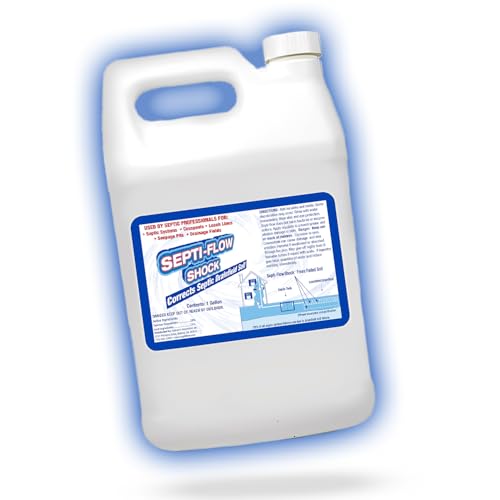
Unlike the bacterial K-570-Q products, Septi-Flow Shock is a gallon of liquid treatment whose focus is field-line buildup from soaps, detergents, sodium, phosphate, and sulfate. The maker also says it targets hardened or deadpanned soil and describes the solution as biodegradable and suitable for septic systems, pipes, and plumbing. Its 128-ounce package is much larger than a 32-ounce bottle. The product is a field cleaner rather than the same named bacterial opener, so match its residue-focused purpose to the suspected problem.
Bottom line: Choose this if the concern is soap, detergent, or mineral residue in field lines.
How to choose a leach and drain field opener
Match the treatment to the kind of buildup you suspect: bacterial products target organic waste, while some field-line cleaners target soap or mineral residue. Septic additives cannot restore a crushed pipe, correct a bad slope, or repair a saturated drain field. Persistent sewage odors, wet patches over the field, or wastewater backing up indoors call for a septic professional rather than repeated additive doses. Household water use also matters: spreading laundry loads across the week reduces sudden hydraulic loading compared with several loads in one day. Choose a single bottle if you need one treatment; a multi-bottle package only makes sense when you expect to use the additional volume according to its directions.
What drain field additives can and cannot do
Drain field additives are intended to support a particular treatment process or address certain residues; they are not universal clog removers. A septic system relies on settling in the tank and soil treatment in the drain field, so solids escaping a poorly maintained tank can obstruct the field. Most household septic tanks need pumping every 3 to 5 years, with the actual interval affected by tank size, household size, and solids accumulation. Additives do not replace inspection or pumping. Avoid flushing wipes, hygiene products, grease, or harsh chemical quantities that can disrupt normal system operation. For sewage surfacing or a backup, stop adding treatments and arrange an inspection.
Compare opener and cleaner types
Choose by treatment focus and package format rather than assuming every product called a field treatment works the same way. A bacterial concentrate is aimed at organic material; a residue-focused liquid cleaner targets different kinds of buildup. A bundle adds distinct tank or system treatments, while a multi-pack supplies more of one concentrate.
| Need | Product type | Key distinction |
|---|---|---|
| Organic waste buildup | Bacterial opener | Targets biodegradable organic material |
| Soap or mineral residue | Field-line cleaner | Focuses on detergent or mineral deposits |
| Several treatment products | Septic bundle | Combines products with separate purposes |
| More of one formula | Multi-pack | Same concentrate in multiple bottles |
A suspected structural or soil problem does not fit any additive category; diagnosis comes first.
Septic field warning signs and safe use
Wet or unusually lush areas over a drain field, sewage odors, and indoor backups can indicate a system problem that needs professional attention. Keep vehicles and heavy equipment off the drain field because soil compaction can reduce its ability to absorb wastewater. Do not open a septic tank yourself: tanks can contain toxic gases and present a fall or drowning hazard. Add septic treatments only through the method and at the dose on the product label, and keep containers away from children and pets. A measured decision rule is useful: if wastewater is backing up indoors or sewage is surfacing outside, stop treating the field and call a septic service professional.
Frequently Asked Questions
How often should a septic tank be pumped?
Many household tanks are pumped every 3 to 5 years. Household size, tank capacity, and the amount of solids entering the tank can shorten or lengthen that interval.
Can a septic additive fix a failed drain field?
No additive can repair a collapsed pipe, saturated soil, or a structurally failed field. Wet ground, sewage odors, or indoor backups are reasons to arrange a professional inspection.
What should never go into a septic system?
Avoid flushing wipes, feminine hygiene products, and grease, even when a package claims an item is flushable. These materials can accumulate or obstruct plumbing and increase solids in the system.
How can I reduce strain on a drain field?
Spread water-heavy activities such as laundry across the week instead of doing many loads in one day. Keep vehicles and heavy equipment off the drain field to avoid compacting its soil.