
Best Tape for Vinyl Siding: 4 Repair Options Compared

For most vinyl siding cracks and holes, Guppyhill Vinyl Siding Repair Kit is the best fit because its PVC patch is paintable and covers up to 6.3 by 4.75 inches.
We earn a commission if you buy through links on this page. As an Amazon Associate I earn from qualifying purchases. Products are compared on manufacturer specifications, not hands-on testing.
- Best overall: Guppyhill Vinyl Siding Repair Kit – Paintable PVC patches are sized for cracks, holes, and blemishes on siding.
- Best for larger patches: Mudder Vinyl Siding Repair Kit, 20-Piece – Includes 20 patches measuring 6 by 8 inches each.
| Product | Best for | Patch or tape size | Temperature range | Shop |
|---|---|---|---|---|
| Guppyhill Vinyl Siding Repair Kit | Paintable patch repairs | 6.3 × 4.75 in | 5°F to 140°F | Check Price on Amazon |
| Mudder Vinyl Siding Repair Kit, 20-Piece | Broad coverage repairs | 6 × 8 in | — | Check Price on Amazon |
| FAILUN Vinyl Siding Repair Kit, 12-Piece | Multi-spot patching | 6.3 × 4.75 in | 5°F to 140°F | Check Price on Amazon |
| Mendyl Vinyl and Stucco Repair Kit | Siding and stucco | 6.5 × 4.75 in | 40°F to 130°F | Check Price on Amazon |
Vinyl siding tape and repair patches
Match the repair material and coverage to the damage; patch kits and waterproofing tape serve different jobs.
Guppyhill Vinyl Siding Repair Kit
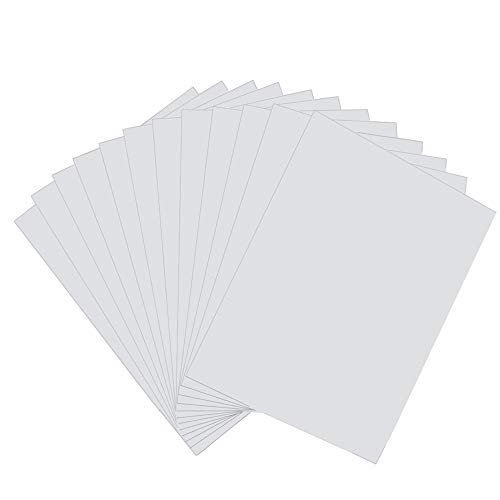
Guppyhill Vinyl Siding Repair Kit is a paintable PVC patch kit for cracks, holes, and blemishes, rather than a roll of tape. Each patch measures 6.3 by 4.75 inches, and the kit includes 12 patches. Installation involves cleaning the surface, peeling and sticking the patch, flattening it, then painting it to blend with the siding. The maker says it works from 5°F to 140°F. This is a practical choice for small, flat damaged areas; irregular or larger holes may need a different repair approach.
Bottom line: Choose this for multiple small siding defects that can be covered by a paintable patch.
Mudder Vinyl Siding Repair Kit, 20-Piece

Mudder Vinyl Siding Repair Kit, 20-Piece supplies 20 white PVC adhesive patches, each about 6 by 8 inches, giving it the largest patch size and highest patch count among these kits. The patches can be trimmed with scissors, then cleaned, peeled, stuck, and painted. The maker describes the kit for vinyl siding as well as fences, mobile-home skirting, and walls. That wider format suits broad, simple damage where a smaller patch would not cover the area; buyers who need an operating temperature range should choose a kit that provides one.
Bottom line: Choose this for larger defects or when you want a larger supply of patches.
FAILUN Vinyl Siding Repair Kit, 12-Piece

FAILUN Vinyl Siding Repair Kit, 12-Piece offers 12 self-adhesive white PVC patches measuring 6.3 by 4.75 inches, the same patch size and quantity as Guppyhill Vinyl Siding Repair Kit. It is intended for siding cracks, holes, and defects, and the maker says it can be used indoors or outdoors from 5°F to 140°F. The uses also extend to wallboard and furniture, so this is a general repair patch rather than a color-matched siding replacement. Its limitation is coverage: a defect wider than the patch will require trimming around it or another repair method.
Bottom line: Choose this for several modest repairs within the patch dimensions.
Mendyl Vinyl and Stucco Repair Kit
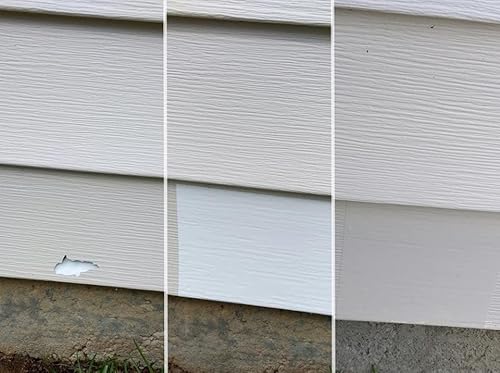
Mendyl Vinyl and Stucco Repair Kit is the only kit here that explicitly includes stucco alongside vinyl siding and skirting. Its two paintable white patches measure 6.5 by 4.75 inches each and can be cut to shape with ordinary scissors. The maker gives an operating range of 40°F to 130°F, narrower than the range offered by Guppyhill Vinyl Siding Repair Kit and FAILUN Vinyl Siding Repair Kit, 12-Piece. The smaller two-patch supply suits occasional repairs, but it is less useful when several defects need covering.
Bottom line: Choose this for a small repair on vinyl or stucco when two patches are enough.
How to choose tape for vinyl siding
Choose a PVC patch for a surface defect and waterproofing tape when water sealing is the main goal. Patch kits here range from 6 by 8 inches to about 6.5 by 4.75 inches per patch; the roll is 4 inches wide and 10 feet long. A paintable patch can be trimmed to shape, while a broad tape seal is likely to look different from the siding. Measure the damaged area first: if the defect is larger than the patch and its edges cannot be covered, do not rely on a patch to bridge it. For a leak, identify where water enters before covering the visible spot, because sealing the wrong point may leave the source unresolved.
Patch size, overlap, and surface fit
Plan for the patch to cover sound siding around the damaged area, not just fill the hole. A useful repair rule is to leave roughly 1 inch of coverage beyond the defect on every side where the patch shape permits; trim corners or curves so edges lie flat. Clean and dry the surface before applying adhesive, since dust, chalking, and moisture can weaken contact. Vinyl siding expands and contracts with temperature, so a patch needs a smooth, secure bond without bridging loose or warped panels. Do not use these products to conceal structural damage or a leak behind the siding; repair the underlying issue first.
When waterproofing tape differs from a siding patch
Waterproofing tape and paintable PVC patches are not interchangeable repair types. A patch is a shaped piece meant to cover an opening or blemish; a sealing tape is applied as a continuous strip to block water or air. The useful choice depends on the failure: a puncture in a panel calls for coverage, while a joint or leak may call for a seal. The tape in this group is 4 inches wide, so it can span broad areas, but it is not presented as paintable. Table: use this quick distinction to narrow the repair method.
| Need | Choose | Key tradeoff |
|---|---|---|
| Cover a siding hole or blemish | Paintable PVC patch | Coverage limited to patch dimensions |
| Seal a leak or gap | Waterproofing tape | May be more visible than a paintable patch |
Weather and safety before applying a repair
Apply an adhesive repair only when the surface and ambient conditions are within the maker’s temperature range; among these patch kits, the ranges run from 5°F–140°F to 40°F–130°F. A cold, wet, or dusty surface can interfere with adhesion, so wait for a clean, dry working surface. Use stable access equipment for elevated siding, and never lean from a ladder or work beneath loose panels. Do not cover electrical equipment, vents, or drainage openings with a patch or tape. If damage reaches the wall sheathing or water is getting behind the siding, address that cause rather than simply covering the exterior mark.
Frequently Asked Questions
Can vinyl siding repair patches be painted?
The PVC patch kits here are described as paintable, so painting is an option after the patch is applied and flattened. Use paint compatible with the siding and patch, and test a small area first because color and sheen can differ.
How much larger should a siding patch be than a hole?
Aim for about 1 inch of patch coverage beyond the defect on each side when the patch shape allows. A hole that exceeds the available coverage needs a different repair rather than a patch stretched across the opening.
Can repair tape go on wet vinyl siding?
A clean, dry surface is the safer choice for adhesive contact. Although the waterproofing tape is marketed for wet conditions, applying it to a wet surface can prevent a reliable bond at the start.
What temperature is suitable for applying a siding patch?
The ranges vary by patch kit: some are rated from 5°F to 140°F, while another is rated from 40°F to 130°F. Apply within the chosen maker’s range and avoid damp or frosty siding.
Should I patch a leak from the outside of vinyl siding?
Only if the visible opening is the source and the surrounding siding is sound. Water can travel behind panels, so trace the entry point and repair underlying damage instead of covering only the interior stain or exterior symptom.