
Trader Joe’s Hair Mask: Bundle and Alternatives

The closest match for a Trader Joe’s hair mask is Shea Butter & Coconut Oil Mask and Serum Set, a set that pairs a Shea Butter & Coconut Oil Hair Mask with its matching serum. Choose a different treatment if you want a standalone leave-in serum or oil, or a separate therapeutic scalp mask rather than the Trader Joe’s set.
Hair masks are typically rinse-out conditioning treatments, while serums and oils are generally leave-in products; check the product directions to confirm how to use each formula.
We earn a commission if you buy through links on this page. As an Amazon Associate I earn from qualifying purchases. Products are compared on manufacturer specifications, not hands-on testing.
- Best overall: Shea Butter & Coconut Oil Mask and Serum Set – The set includes a Shea Butter & Coconut Oil Hair Mask and matching serum.
- Best for serum: Trader Joe’s Shea Butter & Coconut Oil Hair Serum – Its formula includes shea butter, coconut oil, argan oil, and keratin.
- Best for scalp treatment: Enjoy Therapeutic Hair and Scalp Mask – The mask is positioned as a hair-and-scalp treatment and gives a pH range of 4.5–5.5.
| Product | Best for | Format | Key ingredients | Size | Shop |
|---|---|---|---|---|---|
| Shea Butter & Coconut Oil Mask and Serum Set | Matching mask set | Mask and serum set | Shea butter, coconut oil | Full size; one of each | Check Price on Amazon |
| Trader Joe’s Shea Butter & Coconut Oil Hair Serum | Leave-in serum | Hair serum | Shea butter, coconut oil, argan oil | 2.75 fl oz | Check Price on Amazon |
| Argan, Moringa & Chia Hair Oil | Heat-styling prep | Leave-in hair oil | Argan, moringa, chia seed oils | 1 fl oz | Check Price on Amazon |
| Enjoy Therapeutic Hair and Scalp Mask | Scalp-focused mask | Hair and scalp mask | Peppermint, tea tree oils | 6.2 oz | Check Price on Amazon |
Trader Joe’s Hair Mask and Related Hair Treatments
Compare the closest matching set with related serums and masks by format and formula.
Shea Butter & Coconut Oil Mask and Serum Set

This is the closest match to a Trader Joe’s hair mask because the set includes both a Shea Butter & Coconut Oil Hair Mask and its matching serum. It suits shoppers who want the mask alongside a complementary leave-in product rather than a mask alone. The set’s features also say the products are free of parabens, sulfates, and phthalates, and not tested on animals. Because it combines two products, it may not suit someone who wants only a standalone mask.
Bottom line: Choose this set if you want the Trader Joe’s mask together with its matching serum.
Trader Joe’s Shea Butter & Coconut Oil Hair Serum

Unlike the mask-and-serum set, this is a standalone hair serum, not a rinse-out mask. Its formula combines shea butter and coconut oil with argan oil, vitamin E, pro-vitamin B5, botanical extracts, and keratin. That ingredient mix may appeal to someone seeking a leave-in smoothing or conditioning step; the product features describe it as lightweight and intended to reduce frizz. It is a poor fit if the main need is a rinse-out treatment, since the product is identified as a serum.
Bottom line: Pick this if you want the Trader Joe’s serum rather than a mask.
Argan, Moringa & Chia Hair Oil
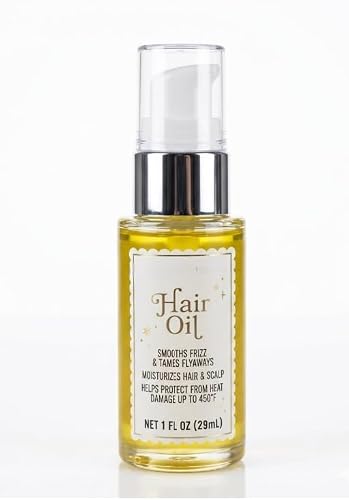
This option is a small-format leave-in hair oil rather than a Trader Joe’s mask. Its formula features argan, moringa, and chia seed oils, and its product features claim heat protection up to 450°F. That makes it the relevant alternative for someone prioritizing styling prep and frizz control in an oil format. It is not a match for shoppers specifically seeking a Trader Joe’s product or a rinse-out mask; verify that the heat-protection directions suit your styling routine.
Bottom line: Choose this when a leave-in oil and heat styling matter more than a mask.
Enjoy Therapeutic Hair and Scalp Mask

This is a separate hair-and-scalp mask, not a Trader Joe’s product or part of the Shea Butter & Coconut Oil set. Its distinguishing specification is a pH range of 4.5–5.5, and its formula features peppermint and tea tree oils. It may suit someone looking for a scalp-focused treatment with a pH range, while the Trader Joe’s set is the closer fit for the requested brand. The formula’s claims about repair, color protection, and scalp effects are maker claims, not guaranteed outcomes.
Bottom line: Pick this if a separate scalp-focused mask fits your needs.
How to choose a hair mask or leave-in treatment
Start with the format: a rinse-out mask is for conditioning during wash day, while a serum or oil is generally applied as a leave-in styling step. Hair masks are commonly left on for about 5 to 20 minutes, but the product directions take priority because formulas differ. Choose a mask if you want a treatment that is rinsed away; choose a serum or oil if you want a finishing step. Avoid using a leave-in oil as a substitute for a rinse-out mask just because both products can soften hair. If your hair is fine or easily weighed down, start with a small amount of leave-in product and add only if needed.
Hair mask versus serum and hair oil
Hair masks, serums, and oils serve different roles, so the product format is a useful first filter. Masks are usually rinse-out conditioners used periodically, while serums and oils are usually leave-in products applied in small amounts. The table helps separate those formats without treating one as universally better. Heat protection is a specific claim, not a general property of every oil or serum; use that claim only for products that provide it and follow their application directions. A product named as a scalp mask also differs from a hair-length serum, so consider where you intend to apply it.
| Format | Typical use | Best fit |
|---|---|---|
| Rinse-out mask | Condition, then rinse | Periodic wash-day treatment |
| Serum | Leave-in finishing step | Smoothing or shine step |
| Hair oil | Small leave-in amount | Hair lengths or styling prep |
How often to use a hair mask
Many people use a rinse-out mask about once a week, adjusting based on hair texture, dryness, and the formula’s directions. Coarse, curly, or chemically processed hair may tolerate more conditioning, while fine hair can feel weighed down with frequent or heavy treatments. Apply masks mainly from mid-lengths to ends when your scalp is easily oily; scalp-specific formulas are a different case. Rinse thoroughly, since residue can leave hair limp. If a mask causes burning, itching, or irritation, rinse it out and stop using it; do not assume a stronger sensation means the treatment is working.
Using hair treatments safely with heat styling
Heat tools can damage hair, and a heat-protection claim should be treated as product-specific rather than assumed for all oils and serums. For this comparison, only the hair oil’s features give a maximum heat figure, up to 450°F; that is a maker claim, not a recommended tool setting. Use the lowest effective heat and avoid applying a rinse-out mask before hot tools unless its directions explicitly allow that use. Wet hair is more vulnerable to breakage under tension, so dry it sufficiently before flat ironing or curling. Never put a product directly on a hot tool.
Frequently Asked Questions
How long should a hair mask stay on?
Many rinse-out hair masks are left on for about 5 to 20 minutes. Use the product’s directions, since some formulas are designed for shorter or longer contact.
Can I use a hair mask every day?
Daily use is usually unnecessary for a rinse-out mask; once a week is a common starting point. Fine or easily weighed-down hair may need less frequent use, while texture and damage can change the routine.
Should hair masks go on the scalp?
Most conditioning masks are applied mainly to the hair lengths and ends, especially when the scalp gets oily. Use a product on the scalp only when its directions identify it as a scalp treatment.
Can hair oil replace a rinse-out mask?
No, a leave-in oil and a rinse-out mask are different formats. An oil can be a finishing or styling step, while a mask is applied and rinsed according to its directions.
Does every hair oil protect against heat?
No; heat protection is product-specific, not an automatic feature of hair oils. Use only a product with a heat-protection claim and keep styling-tool settings as low as practical.