
Best Crappie Jig Tying Kits and Materials Compared

For most people tying custom crappie jigs, Faux Bucktail 16-Color Kit is the best starting point because its 16-color synthetic bucktail is explicitly intended for jig making and crappie patterns.
We earn a commission if you buy through links on this page. As an Amazon Associate I earn from qualifying purchases. Products are compared on manufacturer specifications, not hands-on testing.
- Best overall: Faux Bucktail 16-Color Kit – Sixteen synthetic hair colors are suited to crappie jigs and custom lure making.
- Best for a tool set: Colorado Anglers Standard Tool Kit – Includes a rotary vise, bobbin, scissors, and whip finisher.
- Best for chenille patterns: LURELINK 16-Color Chenille Kit – Sixteen chenille colors cover crappie jigs and other fly patterns.
| Product | Best for | Contents | Color count | Material or tool | Shop |
|---|---|---|---|---|---|
| Faux Bucktail 16-Color Kit | Custom hair jigs | Synthetic bucktail hair | 16 colors | Synthetic fibers | Check Price on Amazon |
| Colorado Anglers Standard Tool Kit | Bench tools | Vise, bobbin, scissors, whip finisher | — | Metal tools and wooden box | Check Price on Amazon |
| LURELINK 16-Color Chenille Kit | Chenille bodies | Chenille | 16 colors | Synthetic fibers | Check Price on Amazon |
| HERCULES 140D Fly Tying Thread | Thread colors | Thread | 12 colors | Nylon | Check Price on Amazon |
Crappie Jig Tying Kits and Supplies
Compare what each set contributes to a tying bench before choosing materials, tools, or ready-to-fish jigs.
Faux Bucktail 16-Color Kit
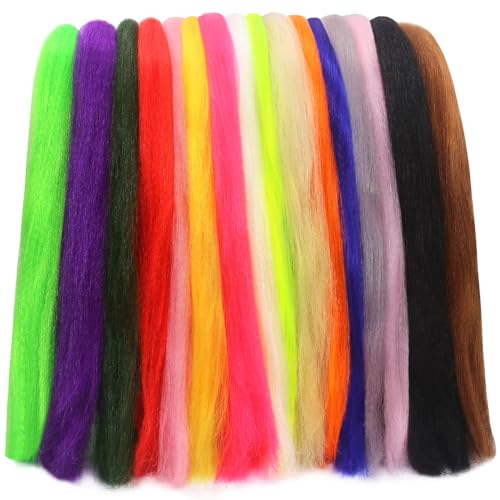
For a color-focused start on crappie jig patterns, this kit supplies synthetic bucktail rather than finished jigs or tying tools. The 16-color set is intended for jig making, streamers, and other lure-building projects, and its 24-inch material can be cut to the length a pattern needs. It suits tiers who already have hooks, jig heads, thread, and a way to secure the hook. The main limitation is that hair alone does not make a complete tying setup; beginners without basic tools will need a vise and bobbin as well.
Bottom line: Pick this if you want a broad choice of synthetic hair colors and already have tying tools.
Colorado Anglers Standard Tool Kit

Unlike the material-only sets, this kit centers on tying tools, including a rotary vise, bobbin, scissors, and whip finisher, along with essential materials and a wooden box. It is a practical fit for someone building a fly tying bench who wants to adapt the tools to small jig patterns. The rotary vise turns through 360 degrees, according to the maker, which can help expose different sides of a fly during tying. The kit is not specifically crappie-jig-focused, so anglers seeking a defined range of jig hair colors should pair it with a material set.
Bottom line: Choose this if setting up a tying bench matters more than getting a crappie-specific material assortment.
LURELINK 16-Color Chenille Kit

For fuller-bodied patterns rather than hair-tail jigs, this set provides 16 colors of synthetic chenille. It is intended for crappie jigs as well as Wooly Buggers and streamers, giving tiers a different material option from the synthetic bucktail in Faux Bucktail 16-Color Kit. The flexible fibers can be wrapped around a hook to build a body, while the color range supports both bright and natural-looking patterns. Chenille is a material, not a tool kit: it does not replace hooks, jig heads, thread, or a vise, so it suits tiers who already have those basics.
Bottom line: Pick this if chenille bodies are the main pattern you plan to tie.
HERCULES 140D Fly Tying Thread

Where the other material sets supply fibers, this set provides the thread used to bind materials to a hook. It includes 12 colors of 140D nylon thread on standard spools compatible with most bobbins, according to the maker. The maker also identifies it for tying several fly types, including nymphs and streamers. That makes it a useful addition to an existing bench, but thread alone is not a crappie jig tying kit: buyers still need jig hooks or heads, body material, and tools. Choose it for thread variety rather than as a first purchase.
Bottom line: Choose this to add thread colors to an established tying setup.
How to Choose Crappie Jig Tying Supplies
Start with the part of the setup you are missing: tools, thread, or body material. A basic tying bench typically needs a vise to hold the hook, a bobbin to control thread, scissors, and materials; a whip finisher helps secure the thread at the end. Choose a tool set if you lack those essentials, then add hair or chenille for the pattern you want. If you already have a bench, a material-only kit can fill a specific gap without duplicating tools.
Jig size and target conditions guide the hook and material combination. Small panfish jigs commonly use light heads, while current, depth, and wind can call for more weight; confirm the head weight and hook size suit your local water before tying a batch. A tying-material assortment does not automatically include compatible hooks or heads.
Hair and Chenille for Crappie Jigs
Hair and chenille create different profiles, so choose by the shape you want rather than color count alone. Bucktail-style fibers form a tapered tail and can be trimmed or layered; chenille wraps into a fuller body. Many tiers combine a body material with a sparse tail, but each extra material adds bulk, which can affect how a small jig moves.
Use a short test tie before repeating a pattern. Keep the material proportional to the hook gap so fibers do not obscure the opening where a fish should take the jig. A sparse tie is a sensible starting point on small hooks; trim excess fibers after securing them. Synthetic fibers can be cut with scissors, so keep fingers clear of the blades and the hook point while working.
What a Complete Tying Setup Needs
A complete setup brings together a hook or jig head, thread, tying tools, and at least one body or tail material. A vise holds the hook securely, and a bobbin feeds thread under tension; scissors trim fibers, while a whip finisher can make a finishing knot. A material assortment supplies only one part of that system, so check what is already on your bench before choosing another set.
For a first project, tie a simple pattern with a small amount of material and inspect the hook gap and knot security before fishing. If using weighted jig heads, handle the metal carefully and wash your hands after handling lead-containing tackle; keep heads and scraps away from children and food-preparation areas. Do not assume a kit’s materials include compatible hooks, heads, or thread unless those components are explicitly included.
Match the Kit to Your Bench
The right choice depends on whether you need color options, a specific body material, or the equipment that holds and wraps materials. The table distinguishes the role each type of set can play; it is not a substitute for checking that your existing hooks and jig heads fit the patterns you intend to tie.
| Bench need | Useful set type | What it contributes |
|---|---|---|
| Tail material choices | Synthetic bucktail | Fibers for tails and custom jig patterns |
| Fuller body material | Chenille | Material to wrap around the hook |
| Basic tying equipment | Tool set | Vise, bobbin, scissors, and finishing tool |
| Thread color selection | Thread set | Binding thread for attaching materials |
For a first purchase, prioritize the missing bench function rather than buying multiple assortments of the same kind. If the hook, thread, and tools are already covered, choose the material that suits the pattern profile you want to tie.
Frequently Asked Questions
What tools do I need to tie crappie jigs?
A vise, bobbin, scissors, thread, and jig hooks or heads cover the basic tasks of holding, wrapping, and trimming. A whip finisher helps secure the thread, though beginners can also learn to finish knots by hand. Keep hook points away from fingers while clamping and handling small hooks.
Is bucktail or chenille better for crappie jigs?
Bucktail-style fibers make a tapered tail, while chenille builds a fuller wrapped body. Choose based on the profile you want, and keep either material sparse enough to leave the hook gap clear. Small hooks generally need less material than larger hooks.
Can I tie crappie jigs with fly tying tools?
Yes, fly tying tools such as a vise, bobbin, and scissors can be used to bind materials to jig hooks. Confirm the vise can hold the hook securely and that the hook fits its jaws before starting. Weighted heads may require a vise intended to grip larger or heavier hooks.
How much material should I put on a small jig?
Use only enough fiber or chenille to form the intended profile while leaving the hook gap open. A sparse first tie is easier to trim than an overfilled pattern, and the appropriate amount changes with hook size and material thickness. Test one jig before tying a full batch.
How should I handle lead jig heads while tying?
Wash your hands after handling lead-containing tackle and keep heads and scraps away from children and food-preparation areas. Avoid creating dust or debris from lead, and do not eat or drink at the tying bench. These precautions matter even when the heads are small.