
Best Metal to Rubber Adhesive: 4 Options Compared

For most metal-to-rubber bonding, HAOSLINE Black Weatherstrip Adhesive is the closest match because it is made for automotive weatherstripping, rubber gaskets, and metal. Choose a different product if you need a rigid metal repair, a fast small-area bond, or another specific material pairing.
Metal-to-rubber adhesive choice depends on whether the rubber must stay flexible and whether the joint faces water, heat, oil, or movement.
We earn a commission if you buy through links on this page. As an Amazon Associate I earn from qualifying purchases. Products are compared on manufacturer specifications, not hands-on testing.
- Best overall: HAOSLINE Black Weatherstrip Adhesive – Made for automotive weatherstripping, rubber gaskets, and metal.
- Best for small rubber repairs: Bondtech Rubber Glue, 30 g – Claims compatibility with rubber-to-metal bonding and includes precision droppers.
- Best for quick household fixes: Super Glue All-Purpose Gel, 50 g – A gel instant adhesive advertised for metal and other common materials.
| Product | Best for | Form | Package size | Working or cure time | Shop |
|---|---|---|---|---|---|
| HAOSLINE Black Weatherstrip Adhesive | Auto weatherstrips | Weatherstrip adhesive | 3.38 fl oz | 1–3 min clamp; 24 hr dry | Check Price on Amazon |
| Bondtech Rubber Glue, 30 g | Small rubber joints | Instant rubber adhesive | 1.06 oz | Fast bond; time unspecified | Check Price on Amazon |
| Super Glue All-Purpose Gel, 50 g | Quick small fixes | Gel instant adhesive | 1.76 oz | Handling durability in seconds | Check Price on Amazon |
| Vicpricme 2-Part Metal Epoxy | Rigid metal repairs | Two-part epoxy | 1.76 oz | 30 min working; 24 hr cure | Check Price on Amazon |
Metal to Rubber Adhesives Compared
Match the adhesive to the joint: flexible rubber bonding and rigid metal repair call for different formulas.
HAOSLINE Black Weatherstrip Adhesive

HAOSLINE is the most directly matched option here for automotive rubber bonded to metal, particularly weatherstripping and door or trunk moldings. The maker says to apply it evenly, press or clamp the joint for 1–3 minutes, then allow 24 hours to dry. The 3.38-fluid-ounce tube is suited to a vehicle trim repair rather than a larger shop job. Its automotive focus is a limitation for anyone repairing a rigid metal component or bonding rubber in a non-automotive setting; it is not intended for engine gaskets.
Bottom line: Choose it for automotive weatherstripping or trim bonded to metal.
Bondtech Rubber Glue, 30 g

Bondtech is aimed at rubber repairs beyond automotive trim, and its feature claims include rubber-to-metal alongside rubber-to-rubber, plastic, and wood. Three small-nozzle droppers are intended for precise application in tight areas, which suits a small hose, mat, or shoe repair better than a long weatherstrip seam. The 30-gram pack is also smaller than the 100-milliliter weatherstrip tube. The maker describes it as a fast bond, but the cure guidance does not give a time, so it is a poor fit when a timed clamp-and-cure schedule matters.
Bottom line: Pick it for small, precise rubber-to-metal repairs.
Super Glue All-Purpose Gel, 50 g
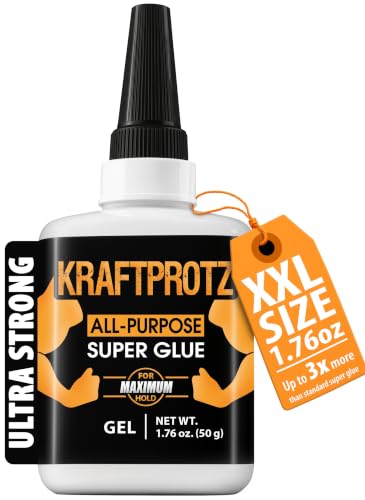
This all-purpose gel is the choice for a quick, controlled small repair where the joint includes metal and the clear finish matters. Its features claim bonding for metal and household materials, and the gel consistency and precision tip are suited to applying adhesive without a free-flowing liquid. At 50 grams, it offers more material than the 30-gram rubber glue pack. The main drawback is that its claims do not specifically establish a durable flexible rubber-to-metal joint; choose a rubber-focused formula when the bonded part must flex or resist weather exposure.
Bottom line: Choose it for a small, clear-finish bond, not a demanding flexible joint.
Vicpricme 2-Part Metal Epoxy

Vicpricme serves a different job: rebuilding or joining rigid metal parts rather than bonding flexible rubber to metal. The maker says the 1:1 epoxy is for prepared aluminum, steel, stainless steel, and cast iron, with up to 30 minutes of working time and a full 24-hour cure. Its gap-filling and alignment time can help on brackets or housings, but the formula is described for non-flexing repairs. That makes it the wrong choice for a weatherstrip or another joint that needs the rubber to bend with use.
Bottom line: Pick it for a rigid metal repair, not a flexible rubber seam.
How to choose a metal to rubber adhesive
Choose a formula that specifically names rubber-to-metal bonding when the joint will flex; rigid epoxies are made for a different kind of repair. Automotive weatherstrip adhesives suit long trim seams and outdoor exposure, while instant adhesives are more appropriate for small, precise joints when the materials and flex needs match. Check whether the joint is a moving seal, a static patch, or a structural part before choosing. For an automotive seal, prioritize a weatherstrip formula; for a rigid metal component, use a metal repair epoxy only when rubber flexibility is not part of the joint. Allow the full cure before exposing the bond to water or load.
Flexible rubber joints versus rigid metal repairs
Flexible and rigid adhesives solve different problems: rubber seals bend in service, while metal epoxies are intended to lock non-flexing parts together. A 1:1 epoxy with a 30-minute working period gives time to fill a gap and align rigid pieces, but that does not make it suitable for a moving rubber seam. A fast-setting adhesive can help with a small application area, yet speed alone does not confirm weather resistance or long-term flex performance. If the rubber is part of a door or trunk seal, choose a weatherstrip-specific adhesive; if the repair is a bracket or housing, evaluate an epoxy built for that rigid substrate.
| Repair need | Formula type | Why it fits |
|---|---|---|
| Automotive seal or trim | Weatherstrip adhesive | Designed for rubber weatherstripping and metal |
| Small, precise rubber repair | Rubber adhesive | Claims rubber-to-metal compatibility |
| Non-flexing metal part | Two-part epoxy | Working time for alignment and gap filling |
Preparing metal and rubber for bonding
Clean, dry contact surfaces and a close-fitting joint give adhesives a better chance of forming a consistent bond. Remove loose dirt, oil, and old adhesive without damaging the rubber, then let any cleaning solvent evaporate completely before applying a new formula. Use a thin, even layer for a trim seam rather than leaving thick ridges that can prevent the weatherstrip from seating. Pressing or clamping helps maintain contact while an adhesive sets; for the automotive weatherstrip formula here, the maker calls for 1–3 minutes of pressure and 24 hours to dry. Do not load or wet the repair before its full cure.
Common metal-to-rubber bonding mistakes
The most common mismatch is using a rigid metal epoxy on a joint that must flex every time a door or hose moves. Another is treating a fast initial set as a full cure: the weatherstrip adhesive calls for 24 hours, and the metal epoxy also has a 24-hour full-cure period. Surface contamination can undermine adhesion, so oil and release residue should be removed before bonding. Apply only where the joint needs contact, keep adhesive away from moving mechanisms, and use ventilation when working with solvent-based products. With an automotive seal, make sure the rubber sits in its intended channel before the adhesive begins to set.
Frequently Asked Questions
Can super glue bond rubber to metal?
Some instant glues claim metal and rubber compatibility, but a general-purpose formula may not suit a joint that flexes or faces weather. For an automotive seal, a weatherstrip adhesive is the more direct match.
How long should metal-to-rubber glue cure?
Cure time depends on the formula: the automotive weatherstrip adhesive calls for 24 hours to dry, and the metal epoxy calls for 24 hours for a full cure. Keep the joint unloaded and dry during that period.
Should rubber be clamped to metal while glue dries?
Pressure helps keep mating surfaces in contact while adhesive sets. The weatherstrip adhesive specifies pressing or clamping for 1–3 minutes before leaving it to dry for 24 hours.
Can metal epoxy attach a rubber weatherstrip?
A metal repair epoxy is intended for rigid, non-flexing repairs, so it is a poor match for a strip that bends during use. Use a weatherstrip-specific adhesive for a vehicle seal.
How should metal be prepared before gluing rubber?
Remove oil, dust, loose coatings, and old adhesive, then let the surface dry fully before application. A clean, close-fitting joint helps avoid weak spots and uneven adhesive coverage.