
Coke Zero Caffeine Free: 4 Cola Options Compared

Caffeine Free Coke Zero Fridge Pack Bundle is the closest match for Coke Zero caffeine free because its name identifies it as caffeine free Coke Zero in a two-pack bundle. Choose a different option if you want Diet Coke instead, or prefer bottles over cans.
Caffeine free cola is carbonated cola made without caffeine; caffeine free and zero sugar are separate characteristics, so check both when choosing.
We earn a commission if you buy through links on this page. As an Amazon Associate I earn from qualifying purchases. Products are compared on manufacturer specifications, not hands-on testing.
- Best overall: Caffeine Free Coke Zero Fridge Pack Bundle – Its name specifically identifies caffeine free Coke Zero and a two-pack bundle.
- Best for caffeine-free cans: Diet Coke Caffeine-Free 12-Pack Cans – It is caffeine free Diet Coke in a 12-pack of 12-ounce cans.
- Best for bottles: Diet Coke Caffeine-Free 6-Pack Bottles – It is caffeine free Diet Coke in a six-pack of 16.9-ounce bottles.
| Product | Best for | Caffeine-free claim | Container | Pack size | Shop |
|---|---|---|---|---|---|
| Caffeine Free Coke Zero Fridge Pack Bundle | Caffeine free Coke Zero | Yes | Cans | Two-pack bundle | Check Price on Amazon |
| Diet Coke Caffeine-Free 12-Pack Cans | Caffeine free cans | Yes | Cans | 12 cans | Check Price on Amazon |
| Coca-Cola Zero Sugar 12-Pack Cans | Zero sugar cola cans | — | Cans | 12 cans | Check Price on Amazon |
| Diet Coke Caffeine-Free 6-Pack Bottles | Caffeine free bottles | Yes | Bottles | 6 bottles | Check Price on Amazon |
Coke Zero Caffeine Free and Related Cola Options
Compare the cola type, container, and caffeine free claim to find the closest fit for your routine.
Caffeine Free Coke Zero Fridge Pack Bundle

Caffeine Free Coke Zero Fridge Pack Bundle is the only option here named as caffeine free Coke Zero, making it the closest fit if that specific cola is your priority. The name identifies a two-pack bundle with 12-fluid-ounce servings. Choose it when you want Coke Zero rather than Diet Coke and want the caffeine free claim to be explicit. The bundle wording describes two packs, so confirm the bundle’s exact can count before ordering if that affects how many servings you need.
Bottom line: Pick this if you specifically want caffeine free Coke Zero.
Diet Coke Caffeine-Free 12-Pack Cans
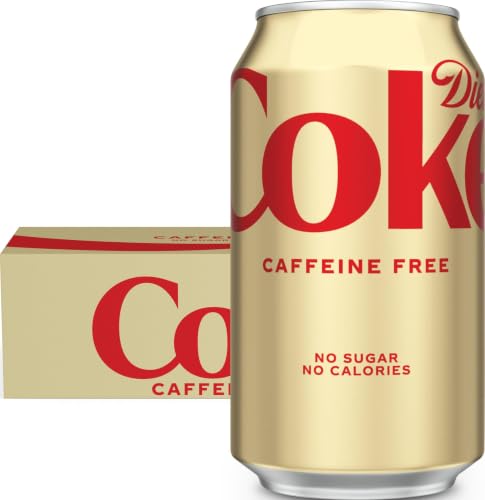
Diet Coke Caffeine-Free 12-Pack Cans swaps Coke Zero for Diet Coke while keeping the caffeine free claim explicit. It comes as twelve 12-fluid-ounce cans, a familiar single-serving size for lunch bags or refrigerator storage. The product features also identify it as having no sugar and no calories. This is a useful alternative when caffeine free cola matters more than matching Coke Zero’s name. The main limitation is the brand’s distinct Diet Coke flavor profile, so it will not satisfy someone set on Coke Zero.
Bottom line: Choose this for caffeine free Diet Coke in single-serving cans.
Coca-Cola Zero Sugar 12-Pack Cans

Coca-Cola Zero Sugar 12-Pack Cans is a Coca-Cola Zero Sugar option in twelve 12-fluid-ounce cans, but its product name emphasizes zero sugar rather than caffeine free status. Choose it when you want this specific cola and are willing to verify caffeine status before buying. It is a less direct fit for a caffeine free search than the explicitly caffeine free choices, so confirm that point if avoiding caffeine is essential.
Bottom line: Consider it only if zero sugar is the priority and you verify caffeine status.
Diet Coke Caffeine-Free 6-Pack Bottles

Diet Coke Caffeine-Free 6-Pack Bottles offers caffeine free Diet Coke in six 16.9-fluid-ounce bottles rather than cans. Its features identify it as having no sugar and no calories, and the larger bottle format suits someone who prefers a resealable container over a single-serving can. This remains a Diet Coke alternative, not Coke Zero, so the flavor choice is the key tradeoff. Pick it when bottle format matters more than matching the Coke Zero name.
Bottom line: Pick this for caffeine free Diet Coke in larger bottles.
How to Choose Caffeine Free Cola
Choose by caffeine status first if avoiding caffeine is essential, then compare cola type, sweetener profile, and container. Caffeine free and sugar-free are different claims: one concerns caffeine, while the other concerns sugar, so a product can meet one criterion without establishing the other. Among these options, the explicit caffeine free choices are the Coke Zero bundle and the two Diet Coke formats; the regular Coca-Cola Zero Sugar option centers on zero sugar. A practical rule is to choose an explicitly caffeine free option when caffeine avoidance is non-negotiable, and verify the label before purchase when a product’s claims do not settle that point. Then use serving size to choose cans for single servings or bottles for a larger resealable drink.
Can Sizes and Container Formats
Use the serving volume and package count to estimate how many individual drinks a pack provides. The can options here use 12-fluid-ounce servings, while the Diet Coke bottle option uses 16.9-fluid-ounce bottles; each bottle therefore holds 4.9 fluid ounces more than one can. A larger bottle can mean fewer individual containers for a similar amount of drink, but it is not a direct substitute for a single-serving can when portioning matters. Compare package counts as well as container volume: twelve cans and six bottles do not represent the same number of containers. The Coke Zero bundle is described as a two-pack, so verify its exact total can count if you need a specific number of servings.
| Need | Choice direction |
|---|---|
| Explicit caffeine free Coke Zero | Choose the Coke Zero bundle |
| Caffeine free Diet Coke in cans | Choose the 12-can format |
| Caffeine free Diet Coke in bottles | Choose the six-bottle format |
| Zero sugar Coca-Cola | Check caffeine status before choosing |
Caffeine Free and Zero Sugar Claims
Read caffeine and sugar claims as separate checks rather than treating one as proof of the other. A caffeine free claim addresses caffeine; a zero sugar claim addresses sugar. For people avoiding caffeine for medical or personal reasons, the specific caffeine claim should be the deciding filter, and the ingredient and nutrition panels can help confirm the product at purchase. A common mistake is choosing a cola labeled zero sugar and assuming it is also caffeine free. Another is selecting a caffeine free diet cola when the preferred flavor is specifically Coke Zero. Match the claim to the reason for choosing the drink, and check serving volume if you track intake by container.
Storing Opened Bottles and Cans
Refrigerate opened cola promptly and keep it covered to slow loss of carbonation and limit contamination. An unopened can or bottle can remain sealed until needed, while an opened bottle is easier to close than an opened can; transfer a can’s remainder to a clean covered container if you are saving it. Avoid leaving opened drinks at room temperature for extended periods, especially if several people share the container. Container format also affects handling: cans are individually portioned, while a 16.9-fluid-ounce bottle is larger and resealable. Follow any storage guidance printed on the package, and discard a drink if its seal is damaged before opening.
Frequently Asked Questions
Does caffeine free cola mean it has no sugar?
No. Caffeine free describes caffeine, not sugar. Check the separate sugar claim and nutrition panel if avoiding sugar matters.
Is Coke Zero the same as Diet Coke?
No, they are distinct cola products with different names and flavor profiles. Choose the one you prefer rather than treating them as interchangeable.
How many ounces are in a standard soda can?
The cans in these options hold 12 fluid ounces each. The bottle option holds 16.9 fluid ounces per bottle, or 4.9 fluid ounces more than one can.
How can I tell whether a cola is caffeine free?
Look for an explicit caffeine free claim on the package and confirm the product label if avoiding caffeine is essential. A zero sugar claim by itself does not establish caffeine status.
Should I choose soda cans or bottles?
Choose cans for individual 12-fluid-ounce servings and bottles for a resealable 16.9-fluid-ounce portion. The right format depends on whether single servings or a larger container suits your use.