
Airtex High-Density Foam: Pads and Cushions Compared

If you mean Airex foam, Airex Balance Pad Elite, Blue is the closest match for exercise and balance work, while the upholstery foams are made for cushions. Choose a cushion instead if you need cut-to-fit seating material; the Airex pads are compact training surfaces rather than long cushion inserts.
We earn a commission if you buy through links on this page. As an Amazon Associate I earn from qualifying purchases. Products are compared on manufacturer specifications, not hands-on testing.
- Best overall: Airex Balance Pad Elite, Blue – A textured balance pad sized for exercise, physical therapy, and stability work.
- Best for firm upholstery: GoTo Foam 3 × 24 × 72 in – A 3-inch cushion has 1.8 density foam and 44 ILD firmness.
- Best for compact workouts: ProsourceFit Balance Pad, Blue – A 15.5-by-12.75-inch TPE pad suits standing balance and floor exercises.
| Product | Best for | Dimensions (L × W × H) | Weight | Shop |
|---|---|---|---|---|
| Airex Balance Pad Elite, Blue | Balance training | 19.69 × 16.14 × 2.36 in | 1 lb | Check Price on Amazon |
| GoTo Foam 3 × 24 × 72 in | Firm cushion inserts | 72 × 24 × 3 in | 100 lb | Check Price on Amazon |
| ProsourceFit Balance Pad, Blue | Compact workouts | 15.5 × 12.75 × 2.25 in | 0.75 lb | Check Price on Amazon |
| Airex Elite Balance Pad, Lava Gray | Shock-absorbing workouts | 19.69 × 16.14 × 2.36 in | 1 lb | Check Price on Amazon |
| FoamyFoam High-Density Foam, 2 × 24 × 72 in | Two-inch cushions | 72 × 24 × 2 in | 1 lb | Check Price on Amazon |
Airtex High-Density Foam Options
The key choice is whether you need a compact exercise pad or foam sized for an upholstery project.
Airex Balance Pad Elite, Blue
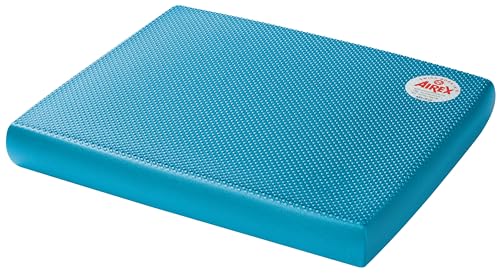
For a balance-training surface rather than a cushion insert, this blue Airex pad measures 19.69 by 16.14 by 2.36 inches. The product features describe a waffle-textured, non-slip surface and use for exercise, yoga, Pilates, kneeling, and balance work. That combination suits someone who wants one portable pad for standing drills and floor exercises. The limitation is its footprint: at under 20 inches long, it is not upholstery foam for a sofa, bench, or boat cushion.
Bottom line: Choose this for a textured exercise pad; select upholstery foam for a cushion replacement.
GoTo Foam 3 × 24 × 72 in

Unlike the exercise pads, this is a full-length upholstery cushion blank: 72 inches long, 24 inches wide, and 3 inches thick. Its foam is rated at 1.8 density and 44 ILD, so shoppers can distinguish the material’s density rating from its compression firmness when matching an existing cushion. The manufacturer identifies furniture, boat, car, and commercial upholstery as intended applications. Its 3-inch thickness and 100-pound stated weight make it a substantial piece to plan around; measure the cushion cavity and access path before selecting it.
Bottom line: Pick this when a firm 3-inch upholstery insert fits your measured cushion.
ProsourceFit Balance Pad, Blue
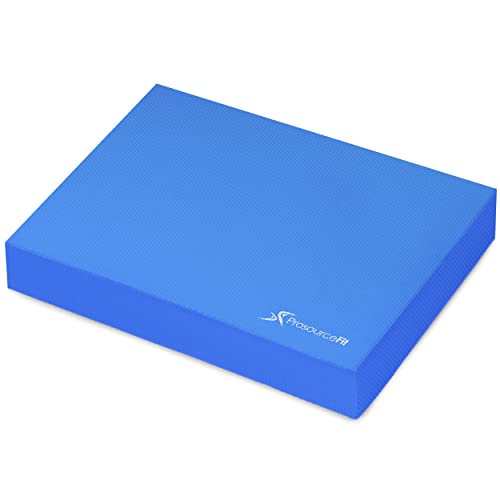
The ProsourceFit pad is smaller than the Airex pads and uses TPE, making footprint and material the clearest distinctions. It measures 15.5 by 12.75 by 2.25 inches and is intended for balance and core exercises, with additional uses such as a seat, gardening knee pad, or standing-desk foot pad. Its sweat-proof, slip-resistant surface is easy to clean according to the maker. The smaller platform can be convenient for limited storage, but it gives less standing area than the Airex Elite dimensions.
Bottom line: Choose this when a smaller TPE workout pad suits your space and drills.
Airex Elite Balance Pad, Lava Gray

This Airex Elite variant has the same dimensions and weight as the blue Airex pad, but its features emphasize closed-cell foam that absorbs shock. The maker also describes a waffle-like textured surface intended to limit slipping during workouts and physical therapy. It suits buyers who want that stated cushioning construction in a balance pad rather than upholstery material. The color is Lava Gray, and the specifications do not give a density or ILD rating, so it cannot be matched to upholstery foam by those measures.
Bottom line: Pick this for an Airex balance pad when closed-cell construction is your priority.
FoamyFoam High-Density Foam, 2 × 24 × 72 in

At 2 inches thick, this FoamyFoam piece is thinner than the GoTo cushion blank and may suit a shallower upholstery cavity. The maker gives a 1.8 density and 44 ILD rating and describes it for seat, couch, and bench cushion replacement. The size is 2 by 24 by 72 inches, while the width field conflicts with that size; confirm the cut dimensions before ordering. This is upholstery foam, not an Airex exercise pad, and the 2-inch thickness matters when replacing an existing insert.
Bottom line: Choose this for upholstery work when a 2-inch-thick insert is the required fit.
How to choose between exercise pads and upholstery foam
Start with the job: balance pads create an unstable surface for movement, while upholstery foam fills a cushion. For a standing exercise pad, compare the usable top dimensions with the stance or movement area you need; a 15.5-by-12.75-inch pad is notably more compact than a 19.69-by-16.14-inch pad. For a cushion replacement, match length, width, and thickness to the cover or frame cavity before considering firmness. Density describes foam mass per volume, while ILD describes the force needed to compress it, so the 1.8 density and 44 ILD figures answer different questions. Do not treat a fitness pad as a cushion insert simply because both products are foam.
| Need | Compare | Decision point |
|---|---|---|
| Balance or floor exercise | Exercise pad | Top footprint and texture |
| Upholstery cushion replacement | Foam blank | Length, width, thickness, and firmness |
How to measure foam for a cushion replacement
Measure the inside cavity or the removed insert in three directions: length, width, and thickness. Cushion thickness matters because an insert that is too thick can strain a cover, while one too thin can leave slack; compare the replacement to the original before cutting or fitting it. The cushion sizes are 72 by 24 inches, with thicknesses of 2 or 3 inches, so the thickness is a practical dividing line between those options. The FoamyFoam dimensions conflict with its width field, so confirm the cut dimensions before ordering. Avoid relying on a listing’s product name alone when measurements disagree.
What density and ILD mean for upholstery foam
Density and ILD describe separate foam properties, not interchangeable grades. Density is mass per volume and is commonly expressed in pounds per cubic foot; ILD is a compression-force measure that indicates firmness. Both upholstery pieces give 1.8 density and 44 ILD, allowing a direct comparison on those ratings, but their 2- and 3-inch thicknesses differ. Match the desired feel to the original cushion and its use: seating, boat cushions, and car cushions can have different support needs. Do not infer a balance pad’s density from its thickness or soft feel; these supplied exercise-pad fields give no density or ILD figure.
How to use balance pads safely
Balance pads deliberately make the standing surface less stable, so begin near a sturdy support and keep the exercise area clear. A compact pad measuring 15.5 by 12.75 inches leaves less room for foot placement than a 19.69-by-16.14-inch pad; choose the larger footprint if a drill needs more stance area. Use the pads for controlled balance and floor movements rather than placing them under loads or equipment they were not designed to support. Keep the surface dry and inspect for tears or damage before use; a textured surface can improve grip but does not remove the fall risk from unstable balance work.
Frequently Asked Questions
How do density and ILD differ in upholstery foam?
Density measures foam mass per volume, while ILD describes compression firmness. The upholstery options here both give 1.8 density and 44 ILD, but they differ in thickness.
What size balance pad should I choose for standing exercises?
Compare the usable top area with your stance and movement needs: a 15.5-by-12.75-inch pad is smaller than a 19.69-by-16.14-inch pad. If your drill needs wider foot placement, favor the larger footprint.
Can I use a balance pad as a seat cushion insert?
A balance pad is designed as a compact exercise surface, while upholstery foam is sized for cushion projects. Measure a cushion cavity in length, width, and thickness and choose a cushion blank that fits those dimensions.
How thick should replacement cushion foam be?
Match the thickness of the removed insert or the cushion cavity; the available upholstery pieces are 2 and 3 inches thick. An incorrect thickness can leave a loose cover or strain the cover and seams.
Is a non-slip balance pad safe for every exercise?
No surface removes the fall risk of unstable balance training. Start beside a sturdy support, clear the area, and use controlled movements, particularly on the 15.5-by-12.75-inch compact pad.