
Easy Massage EMS Muscle Trainers Compared by Fit

For an easy massage EMS muscle trainer, NEWPINE Fitness Belt is the closest fit for home use because its stainless-steel pads work without gel sheets and it is designed for the abdomen, arms, and legs. Choose Smiofo ABS Stimulator instead if you want a rechargeable abdominal belt, or AUVON 3-in-1 TENS Unit if you need a handheld-style unit with TENS, EMS, and RELAX modes.
EMS uses electrical pulses to prompt muscle contractions; it is not a substitute for exercise or medical care.
We earn a commission if you buy through links on this page. As an Amazon Associate I earn from qualifying purchases. Products are compared on manufacturer specifications, not hands-on testing.
- Best overall: NEWPINE Fitness Belt – Its reusable stainless-steel pads do not require gel sheets, and the belt is intended for several body areas.
- Best for an abdominal belt: Smiofo ABS Stimulator – The flexible belt charges by USB and has a 15-minute default session.
- Best for multiple modes: AUVON 3-in-1 TENS Unit – It combines TENS, EMS, and RELAX functions with 24 modes and 40 intensity levels.
| Product | Best for | Contact type | Intended area | Controls or modes | Shop |
|---|---|---|---|---|---|
| NEWPINE Fitness Belt | Multi-area conditioning | Stainless-steel pads | Abdomen, arms, legs | Intensity adjustment | Check Price on Amazon |
| Smiofo ABS Stimulator | USB abdominal belt | Pads; self-check activation | Abdomen; also arms and legs | 15-minute default; intensity control | Check Price on Amazon |
| AUVON 3-in-1 TENS Unit | Multiple stimulation modes | 12 TENS pads | Arm, shoulder, leg, waist, back | 24 modes; 40 levels | Check Price on Amazon |
| PAMASE 50-Piece Gel Pads | Replacement gel pads | Hydrogel adhesive pads | Abdominal trainer belts | Reusable; 20–30 uses each | Check Price on Amazon |
| EMS Neck Massager | Neck and shoulder massage | — | Neck, shoulders, back, waist, legs, feet | 4 modes; 15-minute shutoff | Check Price on Amazon |
Easy Massage EMS Muscle Trainers
Compare the devices and accessories by contact style, target area, and operating features before choosing.
NEWPINE Fitness Belt

Unlike gel-pad systems, this NEWPINE belt uses stainless-steel contacts and does not require gel sheets. It is designed for the abdomen, arms, and legs, with a slim, portable form for home or travel use. Before starting, moisten the pad surface, begin at the lowest intensity, and increase gradually to a comfortable level. The one-size fit may not suit everyone, so check that the belt can sit securely against your intended area.
Bottom line: Choose this if you want one gel-sheet-free belt intended for several body areas.
Smiofo ABS Stimulator
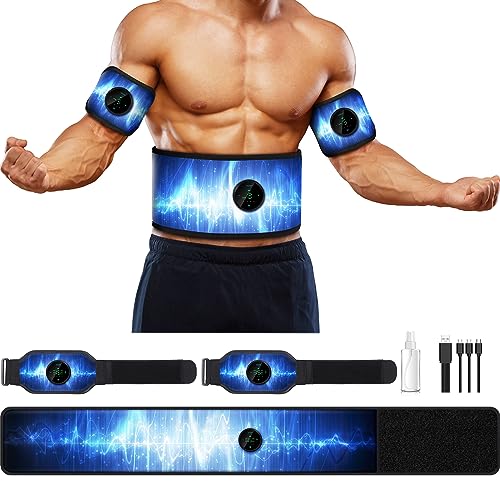
The Smiofo stands out for its USB charging and automatic 15-minute shutoff, making it a fit for buyers who want a belt with a defined session length. It is designed for the abdomen and also lists arms and legs as target areas. Apply the belt to the intended area and select an intensity; read its instructions before use. The maker does not identify pad material, so buyers who specifically want metal contacts or reusable hydrogel pads should choose based on confirmed pad compatibility.
Bottom line: Pick this for a USB-charged abdominal belt with an automatic session cutoff.
AUVON 3-in-1 TENS Unit

Unlike the belt-shaped trainers, this AUVON is a portable TENS/EMS/RELAX unit with 12 pads, 24 modes, and 40 intensity levels. Its target areas include the arm, shoulder, leg, waist, and back, so it may suit someone seeking a multi-area device rather than an abdominal belt. The maker describes EMS as supporting muscle performance and TENS as intended for pain relief; those are maker claims, not a substitute for clinical advice. This unit requires separate pads, unlike the built-in metal contacts on NEWPINE Fitness Belt, so factor pad placement and replacement into your choice.
Bottom line: Choose this if you want a multi-mode TENS/EMS unit rather than a single belt.
PAMASE 50-Piece Gel Pads

These PAMASE pads are replacement accessories, not a complete EMS trainer; they are intended for compatible abdominal belts and other ab trainers. The set contains 50 adhesive hydrogel pads, and each pad is described as usable 20–30 times. After use, rinse the pads, let them air-dry, and return them to their backing or original storage surface. Compatibility matters more than pad count: check the trainer’s required pad shape and connector arrangement before buying, since a generic fit across every EMS device cannot be assumed. They are the relevant option only if your existing trainer takes adhesive gel pads.
Bottom line: Choose these only when your abdominal trainer takes compatible adhesive gel pads.
EMS Neck Massager
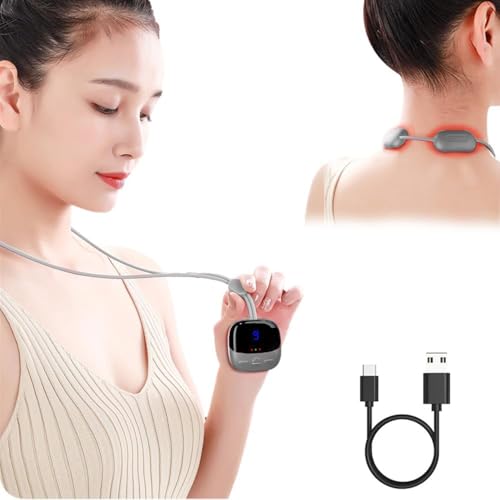
Unlike the abdominal belts, this EMS neck massager is intended for the neck and also lists shoulders, back, waist, legs, and feet. It has four modes, including a hot-compress mode, and shuts off automatically after 15 minutes. The maker describes it as lightweight and portable, with simple start controls. Its neck-focused shape makes it a different choice from a trainer designed around the abdomen or multiple limb areas.
Bottom line: Pick this for a neck-focused device with four modes and a timed shutoff.
How to choose an EMS muscle trainer
Choose by contact style and target area first: a belt with built-in contacts differs from a controller that uses separate electrode pads. EMS delivers electrical pulses that cause muscles beneath electrodes to contract; the sensation and contraction depend on placement and intensity. Start at the lowest setting and raise it gradually only while comfortable. For abdominal training, a belt made for the abdomen is simpler to place than separate pads; for multiple body sites, a multi-channel unit offers more placement flexibility. EMS devices do not replace movement, strength training, or medical treatment. Anyone with an implanted electronic device, pregnancy, or a relevant health condition should get medical guidance before using electrical stimulation.
EMS belts, TENS units, and replacement pads
An EMS belt, a TENS/EMS controller, and gel pads are different purchases. A belt is worn against a target area; a controller sends stimulation through separate pads; replacement pads work only with a compatible existing device. TENS is commonly used for sensory nerve stimulation, while EMS targets motor nerves to produce contractions. A device that combines modes is not automatically a belt, and pad count alone does not establish compatibility. Use this distinction to avoid buying an accessory when you need a complete unit.
| Need | Product type | Check before choosing |
|---|---|---|
| Built-in contact belt | Fitness belt or abdominal belt | Target area and belt fit |
| Separate placement options | TENS/EMS controller with pads | Pad count and placement instructions |
| Existing compatible device | Replacement gel pads | Shape and connector compatibility |
Safe placement and intensity for EMS use
Place electrodes only on the body areas and in the arrangement allowed by the device instructions; never place stimulation electrodes across the chest or on the front or sides of the neck. Keep pads off broken or irritated skin, and do not use electrical stimulation while sleeping, driving, or operating machinery. Begin at the minimum intensity, then increase in small steps; strong pain, burning, or persistent skin irritation is a reason to stop. People with pacemakers or other implanted electronic devices should avoid use unless their clinician specifically clears it. Pregnancy and seizure disorders also call for medical advice before use. These precautions matter for belts and separate-pad units alike.
Keeping EMS pads in usable condition
Adhesive hydrogel pads work best when the skin is clean and dry, without lotion or oil beneath the electrodes. After use, rinse reusable pads if their instructions allow, air-dry them, and return them to the protective backing; storing them exposed lets the adhesive dry out or collect lint. Replace a pad when it no longer adheres evenly or stimulation feels inconsistent despite correct placement. Built-in metal contacts are different: follow the device’s cleaning directions and moisten them only when the maker instructs, as the NEWPINE belt does. Never share pads between users, and inspect contact surfaces before each session for residue or damage.
Frequently Asked Questions
Can an EMS muscle trainer replace a workout?
No; EMS contractions do not replace voluntary exercise or the broader benefits of regular movement. Treat an EMS device as a separate stimulation tool, not a shortcut to strength or fitness.
Where should EMS pads not be placed?
Do not place electrodes across the chest or on the front or sides of the neck. Follow the device’s placement map and avoid broken or irritated skin.
How should I start using an EMS trainer?
Start at the lowest intensity and increase in small steps only while the sensation stays comfortable. Stop if you feel pain, burning, or lasting skin irritation.
Can I use an EMS device with a pacemaker?
Do not use electrical stimulation with a pacemaker or other implanted electronic device unless your clinician specifically clears it. Electrical pulses can interfere with implanted devices.
How often should reusable gel pads be replaced?
Replace pads when they no longer adhere evenly or the stimulation becomes inconsistent despite correct placement. For the PAMASE pads, the maker gives an estimate of 20–30 uses per pad; actual pad life depends on care and storage.