
Profishiency Rods: Good Fits for Four Fishing Styles

Bruha 6’6″ Spinning Combo is the best fit for most freshwater anglers because its 6-foot-6 medium spinning rod pairs versatile power with a 3000-size reel and 10-pound line. Profishiency’s range also includes baitcast combos for anglers comfortable with casting reels and a pocket combo for compact storage.
For a simple all-purpose choice, start with spinning; choose a baitcast setup for heavier lures and more casting control, or a pocket combo when portability matters more than reach.
We earn a commission if you buy through links on this page. As an Amazon Associate I earn from qualifying purchases. Products are compared on manufacturer specifications, not hands-on testing.
- Best overall: Bruha 6’6″ Spinning Combo – A medium-power 6-foot-6 spinning combo with 10-pound line suits a broad range of freshwater use.
- Best for baitcasting: Bruha 7’0″ Baitcast Combo – The 7-foot medium-heavy rod and 15-pound maximum drag suit anglers seeking a stronger baitcast setup.
- Best for compact storage: 30″ Telescopic Spincast Pocket Combo – The telescopic rod collapses from 30 inches to 18 inches for easier storage.
| Product | Best for | Rod length | Reel type | Pre-spooled line | Shop |
|---|---|---|---|---|---|
| Bruha 6’6″ Spinning Combo | General freshwater | 6 ft 6 in | Spinning | 10 lb | Check Price on Amazon |
| Bruha 7’0″ Baitcast Combo | Heavier presentations | 7 ft | Baitcast | 12 lb | Check Price on Amazon |
| 7′ Blue Drip Baitcast Combo | Fast-action casting | 7 ft | Baitcast | — | Check Price on Amazon |
| 30″ Telescopic Spincast Pocket Combo | Compact portability | 30 in (18 in collapsed) | Spincast | 6 lb | Check Price on Amazon |
Profishiency Rods and Combos Compared
Match the reel style and rod length to the techniques and casting comfort you already have.
Bruha 6’6″ Spinning Combo

The 6-foot-6 spinning setup is the most straightforward all-around pick in this group, with medium power, moderate-fast action, a 3000-size reel, and 10-pound line already on the reel. Its fiberglass blank and split EVA grips favor a comfortable, ready-to-fish setup, while the 5.2:1 gear ratio and 12-pound maximum drag provide the reel’s control range. Choose it for familiar spinning-reel handling across general freshwater techniques. Its medium power is less suited than a medium-heavy rod when you need to work heavier lures or apply more force to larger fish.
Bottom line: Choose this for an approachable, versatile spinning setup.
Bruha 7’0″ Baitcast Combo

This medium-heavy baitcast combo stands apart with a 7-foot fiberglass rod and a 100-size right-hand retrieve reel. It comes pre-spooled with 12-pound line and has a 6.4:1 gear ratio, 4+1 bearings, and up to 15 pounds of maximum drag. The rod’s ratings are 10–20-pound line and 3/8–3/4-ounce lures, making it the better match here for heavier freshwater presentations. Pick it if you already handle baitcasters; anglers new to them may find a spinning reel easier to cast without backlash.
Bottom line: Pick this when you want a longer, stronger baitcast setup.
7′ Blue Drip Baitcast Combo

The Blue Drip is the other 7-foot baitcast option, but its fast-action IM7 graphite rod contrasts with the Bruha’s fiberglass construction and moderate-fast action. The medium-heavy one-piece rod has 7+tip aluminum oxide guides, split cork grips, and a line range of 10–17 pounds. It is a fit for anglers wanting a longer fast-action rod with cork contact points. The features cut off before giving a lure-weight range or reel specifications, so buyers who need those figures to match a technique should verify them before choosing.
Bottom line: Choose this for a 7-foot fast-action graphite rod with cork grips.
30″ Telescopic Spincast Pocket Combo
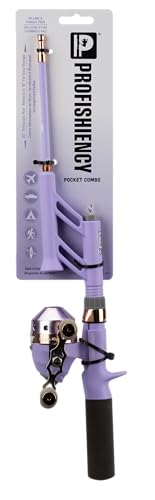
The pocket combo is the only telescopic option here: its 30-inch fiberglass rod retracts to 18 inches, and the compact package weighs 0.69 pound. It pairs a spincast reel with a 4.1:1 gear ratio and comes pre-spooled with 6-pound monofilament. That makes it the clear choice for compact storage and short outings targeting smaller freshwater fish. Its short rod gives up casting reach and leverage compared with the 6-foot-6 and 7-foot combos, so it is not the choice for anglers who need a full-length rod.
Bottom line: Pick this when a compact rod that stores in 18 inches is the priority.
How to Choose a Profishiency Rod
Start with reel style and rod length: spinning combos suit anglers seeking easy, familiar casting, while baitcasters offer more control for practiced hands and heavier presentations. A 6-foot-6 rod is a practical middle ground for general freshwater use; 7-foot rods offer more casting leverage and line control. For a first combo, choose the medium spinning setup unless your target techniques specifically call for medium-heavy power or a baitcaster. If packed length is the deciding factor, choose the telescopic pocket combo rather than a full-length rod.
Match rod power and line
Medium power handles a broader mix of lighter and moderate freshwater presentations, while medium-heavy power is aimed at greater load. Line and lure ratings matter more than color or reel gear ratio when matching a rod to lures; use the rod’s rating as the limit for your setup.
Spinning, Baitcast, and Spincast Combos
Spinning reels hang beneath the rod and generally make beginner casting easier; baitcasting reels sit above the rod and reward thumb control but can backlash when spool speed exceeds line payout. Spincast reels enclose the spool and use a push-button release, making them simple for casual casting. Choose the reel style you can manage confidently rather than assuming a higher gear ratio means a better fit.
The table compares the three reel formats by handling and typical use. Gear ratios measure spool turns per handle turn, not the weight a rod can safely cast.
| Reel type | Handling | Good fit |
|---|---|---|
| Spinning | Open spool beneath rod | Easy general-purpose casting |
| Baitcast | Exposed spool above rod | Experienced casting, heavier presentations |
| Spincast | Enclosed spool, push-button release | Simple casual use |
Rod Length, Action, and Lure Fit
Longer rods generally cast farther and help manage line, while shorter rods are easier to carry and use in tight spaces. Fast action bends mostly near the tip, whereas moderate-fast action flexes farther down the blank; those differences affect lure feel and hook-setting. This set spans a 30-inch pocket rod and 6-foot-6 to 7-foot rods, so intended casting space and storage are decisive.
Use measurable ratings to avoid mismatches: the Bruha baitcast rod is rated for 3/8–3/4-ounce lures and 10–20-pound line. Never exceed the rod’s printed ratings.
Care and Safe Setup for Fishing Rods
Rinse rods and reels with fresh water after exposure to salt or grit, then dry them before storage; salt can corrode metal parts and grit can wear guides. Check guide inserts for cracks and run a cotton swab around each ring: snagged fibers can reveal a rough edge that may damage line. Keep rod sections aligned and avoid sharp bends, which concentrate stress near the tip.
Before each outing, inspect line for nicks and retie if it is abraded, especially near knots. Set drag below the line’s breaking strength rather than locking it down; drag lets line slip under a sudden load. Keep hooks pointed away from people during casting, and leave ample space behind and beside you.
Frequently Asked Questions
Are Profishiency rods good for beginners?
The 6-foot-6 medium spinning combo is the most beginner-friendly fit in this group because spinning reels are generally easier to cast than baitcasters. New baitcast users should practice thumb control with light tension before making full casts, since an over-running spool can tangle line.
What length fishing rod is best for freshwater?
A 6-foot-6 rod is a versatile general-purpose length for many freshwater situations. Choose a shorter rod where storage or tight casting space matters, and a 7-foot rod when longer casts and line control are more important.
What is the difference between medium and medium-heavy power?
Medium-heavy power handles greater loading than medium power and typically pairs with heavier lures and stronger line. Use the rod’s printed lure and line ranges to make the final match; the Bruha baitcast rod, for example, is rated for 3/8–3/4-ounce lures.
How do you prevent backlash with a baitcasting reel?
Backlash happens when the spool keeps turning after the lure slows, so adjust spool tension and braking and use your thumb to control rotation. Start with short casts and practice over open ground before casting near people or obstructions.
How often should fishing line be replaced?
Inspect line before every trip and replace it when it shows nicks, abrasion, flattening, or persistent coil memory. Monofilament often needs replacement at least annually for regular use, and more often after heavy use or prolonged sun exposure.