
Antibacterial Soap for Athlete’s Foot: 4 Options Compared

For athlete’s foot, an antifungal soap is a closer match than ordinary antibacterial soap, and the active ingredient is the key difference: these options contain 1% tolnaftate or 1% clotrimazole. Choose Defense Antifungal Bar Soap if you prefer a tolnaftate bar; choose another format if you want a wash or a clotrimazole bar.
Antibacterial products target bacteria, while athlete’s foot is a fungal infection. If symptoms persist or worsen, ask a health professional rather than relying on soap alone.
We earn a commission if you buy through links on this page. As an Amazon Associate I earn from qualifying purchases. Products are compared on manufacturer specifications, not hands-on testing.
- Best overall: Defense Antifungal Bar Soap – A single 4.2-ounce bar with 1% tolnaftate, the active ingredient that separates it from the clotrimazole options.
- Best for body wash: Antifungal Body Wash with Tolnaftate – A 16.9-fluid-ounce wash with 1% tolnaftate instead of a bar format.
- Best for two bars: Roycederm Antifungal Bar Soap – Two 4-ounce bars with 1% clotrimazole in each bar.
| Product | Best for | Active ingredient | Format | Pack size | Shop |
|---|---|---|---|---|---|
| Defense Antifungal Bar Soap | Tolnaftate bar | Tolnaftate 1% | Bar soap | 4.2 oz; 1 bar | Check Price on Amazon |
| Antifungal Body Wash with Tolnaftate | Liquid wash | Tolnaftate 1% | Body wash | 16.9 fl oz; 1 bottle | Check Price on Amazon |
| Roycederm Antifungal Bar Soap | Clotrimazole bar | Clotrimazole 1% | Bar soap | 4 oz; 2 bars | Check Price on Amazon |
| Solpri Medicated Antifungal Soap | Plant-based formula | Clotrimazole 1% | Bar soap | 4 oz; 2 bars | Check Price on Amazon |
Antibacterial Soap for Athlete’s Foot
These products are antifungal soaps and washes; compare their active ingredients and formats before choosing.
Defense Antifungal Bar Soap
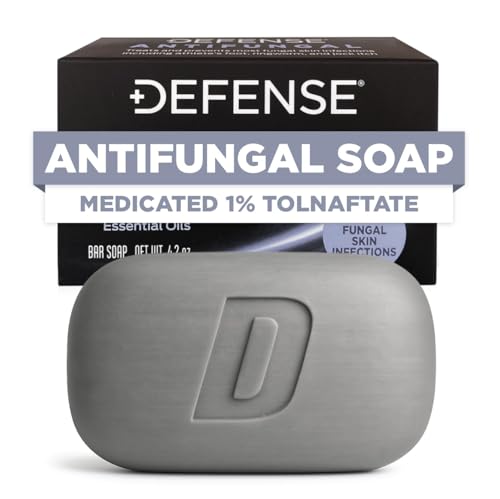
Defense Antifungal Bar Soap is the single-bar option with 1% tolnaftate, unlike the clotrimazole bars in this group. The 4.2-ounce bar is a straightforward choice for someone who wants a solid cleanser rather than a shower gel or a two-bar pack. The maker says tolnaftate cures most athlete’s foot when used as directed. It is still a wash-off soap, so it should not replace any separate topical medicine or directions from a clinician. Buyers who specifically want clotrimazole or a liquid wash should choose a different format.
Bottom line: Pick this if you want a one-bar option with 1% tolnaftate.
Antifungal Body Wash with Tolnaftate

Antifungal Body Wash with Tolnaftate is the only liquid wash here, with 16.9 fluid ounces and 1% tolnaftate rather than a solid bar. Its formula also includes tea tree oil and aloe, and the specifications describe use for athlete’s foot as well as jock itch and ringworm. The maker says it cures most athlete’s foot and relieves associated symptoms. The wash format can suit someone who prefers liquid cleansing, but its larger bottle may be less convenient than a bar for travel. Use the product according to its label.
Bottom line: Choose this if a liquid wash suits your routine better than a bar.
Roycederm Antifungal Bar Soap
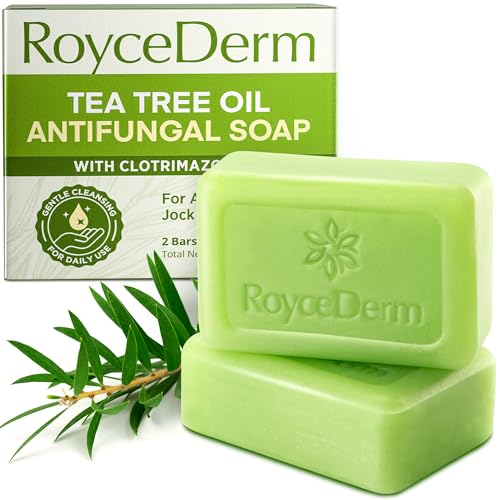
Roycederm Antifungal Bar Soap uses 1% clotrimazole, setting it apart from the tolnaftate options. The two 4-ounce bars are infused with tea tree oil and are described as suitable for face and body cleansing. The maker says the medicated bar helps treat athlete’s foot and relieve itching, scaling, and discomfort. Its face-and-body positioning may appeal to buyers seeking a multipurpose bar, but anyone looking for liquid soap or tolnaftate should compare another option. The specifications do not give a specific use duration, so follow the package directions.
Bottom line: Pick this if you want two clotrimazole bars for cleansing.
Solpri Medicated Antifungal Soap

Solpri Medicated Antifungal Soap combines 1% clotrimazole with a plant-based soap base and essential oils including tea tree, lemongrass, and eucalyptus. Like Roycederm Antifungal Bar Soap, it comes as two 4-ounce bars, but it emphasizes a formula without parabens, sulfates, or synthetic fragrances. The maker says the soap treats most athlete’s foot and says daily use helps prevent it. That prevention claim should not be treated as a substitute for keeping feet dry or for medicine directions. Choose another option if your preference is tolnaftate or a liquid wash.
Bottom line: Choose this if the plant-based formula is your priority.
How to choose an athlete’s foot soap
Choose by active ingredient and format, not by the word “antibacterial.” Athlete’s foot is a fungal infection, so an antibacterial cleanser is not the same as an antifungal medicine. These soaps use tolnaftate 1% or clotrimazole 1%; the active ingredients are not interchangeable by name, and the package directions determine how each product is used. A bar may be easier to store between showers, while a body wash is a liquid option. Soap can clean skin, but don’t assume that washing alone is equivalent to a topical antifungal treatment applied as directed. If you have diabetes, poor circulation, an open sore, or spreading redness, seek medical advice promptly rather than self-treating.
Antifungal bar soap versus body wash
Bars and body washes differ mainly in format, not in whether they are antibacterial. A bar is solid and should be allowed to dry between uses; a liquid wash comes in a bottle and can be easier to dispense in the shower. Use a clean towel to dry feet thoroughly, especially between toes, because persistent moisture encourages fungal growth. Avoid sharing towels, socks, or shoes when an infection is present. The products here have different active ingredients and pack sizes, so compare those attributes rather than assuming that a larger container or multi-bar pack means a stronger treatment. For persistent symptoms, a wash product should not delay appropriate antifungal care.
Keeping athlete’s foot from spreading
Dry skin between the toes after every shower, and change damp socks promptly; moisture control is a practical part of managing athlete’s foot. Wear shower sandals in shared locker-room or pool areas, and avoid sharing footwear or towels. Wash socks and towels regularly, and let shoes dry fully before wearing them again. Do not scratch affected skin and then touch other areas, since fungal infection can spread to nearby skin or nails. Soap is only one part of foot hygiene: if symptoms do not improve with an over-the-counter antifungal used as directed, or if they worsen, consult a clinician for diagnosis and treatment advice.
When athlete’s foot needs medical care
Get medical advice when an itchy, peeling rash spreads, becomes painful, develops pus, or does not improve with appropriate self-care. Redness, warmth, swelling, or fever can signal a problem that needs prompt evaluation, especially for people with diabetes or reduced circulation. A rash between toes may resemble other skin conditions, so persistent or recurring symptoms deserve a proper diagnosis rather than repeated soap changes. Keep the area clean and dry while arranging care, and do not apply products to broken or irritated skin unless the label or a clinician says to do so. Follow the specific package directions for any antifungal ingredient.
Frequently Asked Questions
Does antibacterial soap get rid of athlete’s foot?
No, antibacterial soap targets bacteria, while athlete’s foot is a fungal infection. Use an antifungal product as directed, and seek medical advice if symptoms persist or worsen.
Is tolnaftate or clotrimazole better for athlete’s foot?
Both are antifungal active ingredients used in over-the-counter products, but they are different medicines. Follow the selected product’s label and ask a pharmacist or clinician if you are unsure which treatment fits your symptoms.
How should I dry my feet to prevent athlete’s foot?
Dry between each toe after bathing, since trapped moisture favors fungal growth. Change out of wet socks promptly and allow shoes to dry fully between wears.
Can athlete’s foot spread to other parts of my body?
Yes, fungal infection can spread through contact, including from affected feet to nearby skin. Wash hands after touching the rash and avoid sharing towels or footwear.
When should I see a doctor for athlete’s foot?
Seek care if the rash worsens, becomes painful, spreads, or fails to improve with an over-the-counter antifungal used as directed. People with diabetes or poor circulation should get medical advice early.