
Dr Melaxin Eyephalt Cream: 5 Eye Care Options Compared

Dr.Melaxin Eyephalt is the closest match for shoppers seeking its under eye cream, with bio-spicule, EGF, niacinamide, and a 0.33 fl oz tube. Choose a different option if you prefer a calcium-focused formula or ready-to-use hydrogel patches.
We earn a commission if you buy through links on this page. As an Amazon Associate I earn from qualifying purchases. Products are compared on manufacturer specifications, not hands-on testing.
- Best overall: Dr.Melaxin Eyephalt Under Eye Cream – Eyephalt is specifically positioned for under eye bags, puffiness, and dark circles.
- Best for retinol: Dr.Melaxin Retinol Eyebag Cream – Its formula features liposomal biomimetic retinol, niacinamide, and ceramide.
- Best for patches: Dr.Melaxin Calcium Volume Eye Patches – The hydrogel eye-mask format comes in a 60-count pack.
| Product | Best for | Format | Size | Highlighted ingredients | Shop |
|---|---|---|---|---|---|
| Dr.Melaxin Eyephalt Under Eye Cream | Eyephalt seekers | Cream | 0.33 fl oz | Bio-spicule, EGF, niacinamide | Check Price on Amazon |
| Dr.Melaxin Retinol Eyebag Cream | Retinol routines | Cream | 0.35 fl oz | Retinol, niacinamide, ceramide | Check Price on Amazon |
| Dr.Melaxin Calcium Volume Eye Patches | Patch format | Hydrogel patches | 60 count | Calcium | Check Price on Amazon |
| Dr.Melaxin Calcium Bonding Eye Cream | Peptide formula | Cream | 0.51 fl oz | Calcium, five peptides | Check Price on Amazon |
| Dr.Melaxin Calcium Eye Cream | Calcium cream | Cream | 0.52 oz | Calcium, vitamin D | Check Price on Amazon |
Dr. Melaxin Eyephalt and related eye care
Compare the creams and hydrogel patches by format, size, and the ingredients highlighted for each formula.
Dr.Melaxin Eyephalt Under Eye Cream
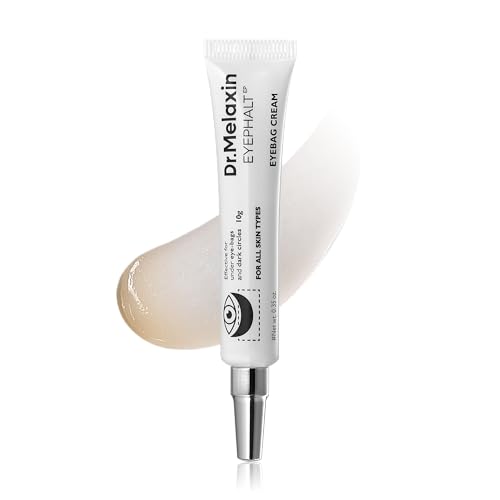
Eyephalt is the only product here named Eyephalt, and its formula highlights bio-spicule, EGF, and niacinamide. The 0.33 fl oz cream is aimed at the appearance of dark circles, puffiness, eye bags, and hollow-looking tear troughs; the maker also describes depuffing and lifting effects. This is the direct fit for shoppers seeking that specific cream rather than a calcium cream or a patch.
Bottom line: Choose this if you specifically want Eyephalt cream and its combination of highlighted ingredients.
Dr.Melaxin Retinol Eyebag Cream

Unlike Eyephalt, this under eye cream centers on liposomal biomimetic retinol and also names niacinamide and ceramide. Its 0.35 fl oz size is slightly larger than Eyephalt’s 0.33 fl oz, and the maker describes it as makeup-friendly and suitable for the delicate eye area. The directions say to pat a small amount on as the final makeup step, making it a fit for shoppers who want a retinol-focused cream. Its distinguishing ingredient is retinol, so it is not the closest match for someone looking specifically for Eyephalt.
Bottom line: Pick this for a retinol-focused under eye cream rather than the Eyephalt formula.
Dr.Melaxin Calcium Volume Eye Patches

These are hydrogel under eye patches rather than a cream, setting them apart from Eyephalt and the other two creams. The pack contains 60 patches and is positioned for puffy eyes, dark circles, wrinkles, fine lines, and sagging skin. Choose this format if you want an eye mask rather than a cream applied as part of skin care.
Bottom line: Choose these if you prefer a hydrogel patch routine over an under eye cream.
Dr.Melaxin Calcium Bonding Eye Cream

This calcium-focused cream distinguishes itself with five peptides, while Eyephalt highlights bio-spicule, EGF, and niacinamide. The 0.51 fl oz size is larger than the 0.33 fl oz Eyephalt tube, and the product is positioned for firming, hydration, and a plumping effect. It suits shoppers looking for a peptide-and-calcium eye treatment instead of Eyephalt’s named ingredient combination.
Bottom line: Pick this for a calcium and peptide-focused cream in a larger stated volume.
Dr.Melaxin Calcium Eye Cream

This calcium cream is distinguished by its 0.52 oz size and the maker’s explanation that vitamin D is combined with its Rebornic raw material to enhance ionized-calcium absorption. The instructions place it near both eyes at the final skin-care step, followed by two to four gentle applications and light tapping. Its soft cream texture may suit someone who wants a calcium-oriented cream with a specified routine. It is a different formula from Eyephalt, whose highlighted ingredients include bio-spicule, EGF, and niacinamide.
Bottom line: Choose this if you want a calcium cream with vitamin D and an outlined application routine.
How to choose an under eye cream or patch
Start with format and the ingredient combination you want, because a hydrogel patch is used differently from a cream. Eye creams are typically applied in a small amount around the orbital area, avoiding the lash line; patches sit on clean skin for a product-specific interval. Retinol can increase irritation or sun sensitivity, so introduce a retinol eye product gradually and use daytime sun protection. If you have sensitive skin, test a small area first and stop if irritation develops. The products here span calcium, peptide, retinol, niacinamide, and patch formats, so choose by the feature that matters rather than treating all eye care as interchangeable.
How to apply eye-area products
Use a rice-grain-sized amount of cream for both eyes as a practical starting point, keeping product off the eyelids and lash line. Eye-area skin is thin, and rubbing can add irritation; gently tap cream along the orbital bone instead. The calcium cream’s directions call for use at the final skin-care step and two to four gentle applications, while the retinol cream says to pat a small amount on as the final makeup step. Patch wear time should follow the package directions, since hydrogel formulas vary. Do not layer multiple active eye products at once when first introducing them; separate use helps identify a source of irritation.
Retinol, calcium creams, and hydrogel patches compared
Retinol creams, calcium-focused creams, and hydrogel patches serve different routine preferences rather than representing interchangeable formats. Retinol is a vitamin A derivative used in skin-care products; it can irritate delicate skin, so beginners should start a few nights per week and increase only if comfortable. Creams allow targeted application and fit into a skin-care sequence, while patches cover a broader area temporarily. Calcium and peptide claims describe the ingredients emphasized by these formulas, not guaranteed results. For a routine centered on named retinol, choose a retinol cream; for a patch format, choose patches; for Eyephalt specifically, select the product with that name.
| Routine need | Format or ingredient focus | Choice from this group |
|---|---|---|
| Specifically seeking Eyephalt | Cream with bio-spicule, EGF, niacinamide | Eyephalt cream |
| Prefer retinol in a cream | Liposomal biomimetic retinol | Retinol Eyebag Cream |
| Prefer a mask-style application | Hydrogel patches | Calcium Volume Eye Patches |
| Prefer calcium or peptides | Calcium cream formulas | Calcium Bonding or Calcium Eye Cream |
Eye-area safety and irritation precautions
Keep eye creams and patches out of the eyes, and rinse with clean water if product gets into the eye. Retinol products can cause dryness, redness, or stinging, especially when introduced too often or combined with other exfoliating actives; use less frequently if irritation appears and stop if it persists. Do not apply retinol to broken or inflamed skin. A small patch test near the jaw or behind the ear can help flag sensitivity before applying near the eyes, though it cannot rule out every reaction. If you have a persistent eye-area concern or a history of reactions, ask a clinician before adding a new active product.
Frequently Asked Questions
How much eye cream should I apply under each eye?
A rice-grain-sized amount for both eyes is a useful starting point. Keep the cream along the orbital bone and away from the lash line to limit eye exposure.
Can I use a retinol eye cream every night?
Start a retinol eye cream a few nights per week rather than nightly, since the thin eye-area skin may become dry or irritated. Increase frequency only if the skin stays comfortable, and stop if irritation persists.
Should eye patches go before or after moisturizer?
Hydrogel eye patches generally go on clean, dry skin before moisturizer, which can seal in hydration afterward. Follow the package wear time because patch formulas differ.
Can I use eye cream on my eyelids?
Keep eye creams off the eyelids unless the package explicitly directs eyelid use. Product close to the lash line can migrate into the eyes and cause irritation.
How do I reduce irritation from a new eye product?
Patch test a small area and introduce one new active product at a time. For retinol, begin a few nights weekly and avoid applying it to broken or inflamed skin.