
Soccer Goalie Knee Pads: 4 Options Compared by Fit

For soccer goalkeepers who slide and make repeated contact with turf, Sportida Segmented EVA Knee Pads is the closest match because it uses segmented EVA padding and is designed for goalkeepers and futsal. Choose a different option if you need a general-purpose compression sleeve or volleyball-specific coverage rather than a goalie-oriented pad.
We earn a commission if you buy through links on this page. As an Amazon Associate I earn from qualifying purchases. Products are compared on manufacturer specifications, not hands-on testing.
- Best overall: Sportida Segmented EVA Knee Pads – Segmented EVA padding and a goalkeeper-specific intended use suit turf slides and repeated ground contact.
- Best for simple coverage: Bodyprox Thick Sponge Knee Pads – High-density foam and a non-slip sleeve design make this a general outdoor-sports option.
- Best for court play: Mizuno T10 Plus Volleyball Kneepad – Adult sizing covers knee circumferences from 12 to 17.5 inches, but the pad is made for volleyball.
| Product | Best for | Padding | Fit | Intended use | Shop |
|---|---|---|---|---|---|
| Sportida Segmented EVA Knee Pads | Goalkeeper sliding | Segmented EVA foam | Large | Goalkeeper, futsal, turf | Check Price on Amazon |
| Bodyprox Thick Sponge Knee Pads | General sports | High-density foam | Small/Medium | Outdoor sports | Check Price on Amazon |
| SZKANI Compression Knee Sleeves | Compression fit | Thicker knee pad | Small | Multiple sports | Check Price on Amazon |
| Mizuno T10 Plus Volleyball Kneepad | Volleyball players | High-density foam | Adult, 12–17.5 in knee | Volleyball court | Check Price on Amazon |
Soccer Goalie Knee Pads Compared
These options differ in padding construction, sleeve sizing and how closely they match goalkeeper play.
Sportida Segmented EVA Knee Pads

Segmented EVA padding and an explicit goalkeeper and futsal focus make these the most directly suited to soccer goalie movement in this group. The molded sections are designed to follow knee bend, while the compression sleeve supports a close fit during drills, slides and repeated contact with turf. This is the clearest match for a keeper who wants a knee pad built around movement on playing surfaces rather than a court sport. The option is Large, so keep in mind that a single size may not suit every leg; confirm fit before ordering.
Bottom line: Choose these for goalkeeper drills and turf play where segmented padding is the priority.
Bodyprox Thick Sponge Knee Pads
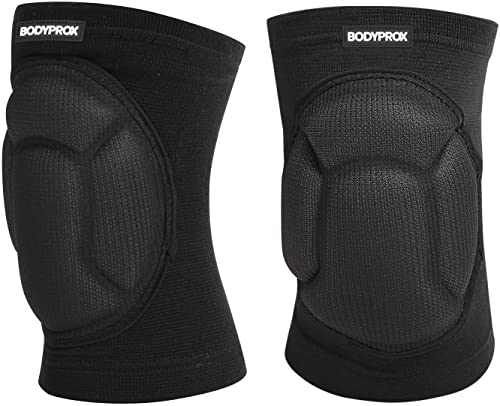
Bodyprox uses high-density foam in a lightweight, elastic sleeve, making it a general outdoor-sports choice rather than a goalie-specific design. The pair includes left and right pads, and its non-slip construction is intended to stay in place without frequent adjustment. A breathable fabric and two stated sizes are useful for active wear, while the size is Small/Medium. Goalkeepers who make frequent hard slides may prefer the more specialized segmented EVA design of Sportida Segmented EVA Knee Pads, since the Bodyprox description does not identify a goalkeeper-focused pad shape or coverage.
Bottom line: Pick these for an all-purpose foam sleeve in Small/Medium rather than a goalie-specific build.
SZKANI Compression Knee Sleeves

SZKANI emphasizes stretch and anti-slip silicone ripples, offering a compression-sleeve approach for athletes who want a flexible fit. The fabric is described as breathable and quick-drying, and the sleeve can stretch more than 2.5 inches in perimeter and length. The size is Small, so the stretch may help with fit but does not remove the need to check sizing. The product is presented for multiple sports rather than soccer goalkeeping, making it a less targeted choice for keepers looking for segmented padding for slides.
Bottom line: Choose these if a stretchy, stay-put sleeve matters more than goalie-specific padding.
Mizuno T10 Plus Volleyball Kneepad
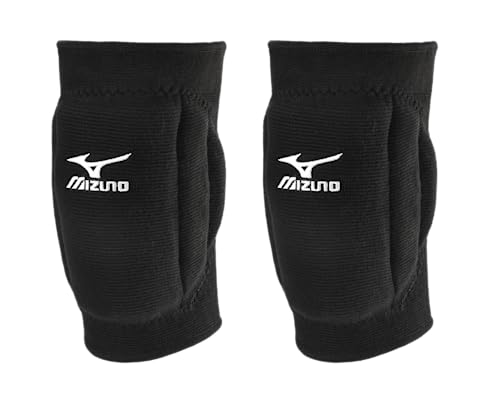
Mizuno’s T10 Plus is the court-oriented alternative, with high-density foam and an abrasion-resistant outer sleeve made from polyester, rayon and elastic. Moisture-wicking sleeve technology is intended for intense volleyball play. The volleyball focus is the key limitation for soccer goalkeepers: choose it only if its court coverage suits your needs, not as the closest match for turf sliding.
Bottom line: Pick this for adult volleyball use or when its knee-circumference range fits.
How to choose soccer goalie knee pads
For repeated turf slides, prioritize padding designed to move with a bent knee and stay put during lateral motion. Segmented foam can flex more naturally than a single bulky pad, while a compression sleeve and grippy lining help limit shifting. Match the coverage to your play: a keeper who frequently lands on the knees needs more substantial impact coverage than someone seeking light abrasion protection for training. Sleeve fit matters as much as padding; an oversized sleeve can bunch, and an overly tight one can restrict movement. Choose the intended size when available, and test a full squat and lateral lunge before play.
Soccer keepers should also distinguish knee protection from shin protection. A knee pad does not replace shin guards, which are required equipment in organized soccer under the Laws of the Game.
Knee pad types for goalkeepers
Goalkeeper knee protection usually comes as a padded compression sleeve or a more structured pad with segmented sections. Sleeves are easier to pull on and can cover the kneecap and nearby area; segmented designs are intended to flex as the knee bends during movement. Volleyball pads are generally built for court contact and may feel different on turf, while general sports sleeves may lack a goalkeeper-specific shape.
The useful choice is the pad whose coverage and fit match how often you land or slide. Use this guide to separate the options by their construction and purpose.
| Need | Pad type to consider | Tradeoff |
|---|---|---|
| Repeated turf slides | Segmented EVA goalie pad | Check the size carefully |
| General sports use | Foam sleeve | May not be designed around goalie movement |
| Indoor court contact | Volleyball kneepad | Built for a different playing surface |
Getting the right knee pad fit
A snug sleeve should stay smooth when you bend the knee, without pinching behind it or slipping toward the calf. Use a tape measure to check knee circumference where the maker defines sizing; for example, the adult Mizuno pad is sized for 12 to 17.5 inches around the knee. That range is product-specific, not a universal knee-pad size standard. Try the pad with your soccer socks and shorts because fabric layers can change how securely a sleeve sits.
Before a match, do several squats, kneeling positions and short lateral shuffles. A sleeve that rolls or shifts during those movements is a poor fit even if its circumference seems close. Do not size down simply to make compression stronger.
Using and caring for goalie knee pads
Wear knee pads over clean, dry skin and check that the padding covers the kneecap before practice. Foam reduces direct contact with the surface, but no pad eliminates injury risk; avoid using a damaged or compressed pad for repeated impacts. Keep shin guards in place as separate protection, and do not treat a knee sleeve as a substitute.
Washable sports sleeves generally benefit from prompt rinsing after heavy sweat and air-drying fully before storage; heat can damage elastic fibers and foam adhesives. Follow the garment’s care label where available, and inspect seams, grippers and padding for tears or permanent flattening before returning to play.
Frequently Asked Questions
Do soccer goalkeepers need knee pads?
Knee pads are optional protective gear, but they can reduce friction and surface impact during frequent dives and slides. They do not prevent every knee injury or replace shin guards.
What padding works for sliding on turf?
Segmented EVA foam is designed to flex as the knee bends, making it a practical feature to look for during repeated slides. Fit and coverage still matter; loose padding can shift away from the kneecap.
How tight should goalkeeper knee sleeves fit?
A sleeve should stay in place through squats and lateral shuffles without pinching or limiting knee bend. Measure around the knee and compare with the maker’s size range rather than choosing a smaller size for extra compression.
Can volleyball knee pads be used for soccer?
Volleyball knee pads can provide knee coverage, but their design is aimed at court play rather than turf sliding. Check whether the pad stays put and covers the kneecap during a full squat and lateral movement.
How often should knee pads be replaced?
Replace a pad when its foam stays flattened, the sleeve no longer holds position, or seams and fabric are torn. Inspect the padding before each match, especially after repeated hard contact.