
Seoul 1988 Eye Cream: Retinal Formula Compared

For a retinal-based Seoul 1988 eye cream, choose K-SECRET SEOUL1988 Retinal Eye Cream: its retinal liposome formula and supporting ingredients distinguish it from the moisturizing and peptide alternatives. Choose another option if you want to avoid retinal or prefer a lightweight serum texture.
We earn a commission if you buy through links on this page. As an Amazon Associate I earn from qualifying purchases. Products are compared on manufacturer specifications, not hands-on testing.
- Best overall: K-SECRET SEOUL1988 Retinal Eye Cream – Retinal liposome is paired with niacinamide, bakuchiol, vitamin E and peptides.
- Best for moisture: SeoulCeuticals Snail Mucin Eye Cream – Snail mucin, hyaluronic acid and cica focus on cushioning and hydration.
- Best for serum texture: Beauty of Joseon Revive Eye Serum – A retinal and ginseng serum is described as lightweight and fast-absorbing.
| Product | Best for | Main actives | Format | Size | Shop |
|---|---|---|---|---|---|
| K-SECRET SEOUL1988 Retinal Eye Cream | Retinal-focused care | Retinal, niacinamide | Cream | 1.01 fl oz | Check Price on Amazon |
| SeoulCeuticals Snail Mucin Eye Cream | Moisture-first routine | 97.5% snail mucin, HA | Cream | 0.5 oz | Check Price on Amazon |
| Beauty of Joseon Revive Eye Serum | Lightweight retinal serum | Retinal liposomes, ginseng | Serum | 1.01 fl oz | Check Price on Amazon |
| medicube Deep Reviving Peptide Eye Serum | Peptide-based serum | Peptides, niacinamide, squalane | Serum | 1.01 fl oz | Check Price on Amazon |
| numbuzin No.9 NAD+ Retinal Eye Cream | Retinal with peptides | NAD+, retinal, peptides | Cream | 0.67 fl oz | Check Price on Amazon |
Seoul 1988 Eye Cream and Alternatives
Compare the retinal cream with Korean eye products built around hydration, serum texture or peptides.
K-SECRET SEOUL1988 Retinal Eye Cream
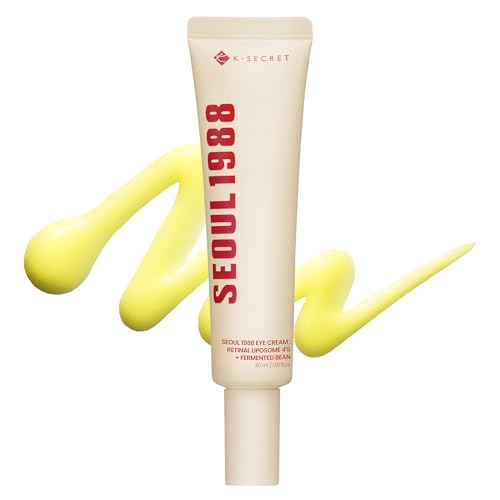
K-SECRET SEOUL1988 Retinal Eye Cream is the named Seoul 1988 product here, with retinal liposome, niacinamide, bakuchiol, vitamin E and three peptides in an eye cream. The maker says its delivery system is designed to support retinal stability and absorption, and recommends nighttime use because retinal may oxidize. This combination suits someone specifically seeking a retinal-centered routine with several supporting ingredients. Retinal can irritate sensitive skin, so it may not suit someone who wants a very gentle, active-free moisturizer or who is new to retinoids and plans to apply it frequently at first.
Bottom line: Choose this if you want a retinal eye cream and can introduce retinoids cautiously.
SeoulCeuticals Snail Mucin Eye Cream

Unlike the retinal products, SeoulCeuticals Snail Mucin Eye Cream centers its formula on 97.5% snail mucin, with hyaluronic acid, cica, vitamin C and vitamin E. The brand positions the combination around moisture, soothing and a refreshed-looking eye contour, making it a fit for buyers prioritizing a cushioned feel over a retinal active. Its fragrance-free formula is another useful distinction for shoppers avoiding added fragrance. The main limitation is that it does not provide the retinal focus of K-SECRET SEOUL1988 Retinal Eye Cream or Beauty of Joseon Revive Eye Serum, so choose it for hydration-oriented care rather than a retinoid-led routine.
Bottom line: Pick this for a fragrance-free, hydration-centered eye cream.
Beauty of Joseon Revive Eye Serum

Beauty of Joseon Revive Eye Serum delivers retinal liposomes in a serum rather than a cream, and pairs them with ginseng water and root extract. Its lightweight, non-sticky, fast-absorbing finish makes it the clearest option here for someone who wants an eye treatment to layer with other skincare. The maker says the formula helps improve the look of elasticity and fine lines while hydrating the eye area. Retinal still calls for a careful introduction, and the serum format may be less appealing if you specifically want a richer cream texture.
Bottom line: Choose this when you want retinal in a light, quick-layering serum.
medicube Deep Reviving Peptide Eye Serum

medicube Deep Reviving Peptide Eye Serum takes a peptide-first approach instead of using retinal as its defining active. It contains 20,000 ppm of a peptide complex along with niacinamide and squalane, and the maker describes it as a moisturizing serum for the under-eye area or the entire face. That broader application may suit someone seeking a peptide product for dry or dull-looking skin and early visible signs of aging. It is not the match for a buyer specifically seeking retinal; choose K-SECRET SEOUL1988 Retinal Eye Cream or Beauty of Joseon Revive Eye Serum for that ingredient instead.
Bottom line: Pick this for a peptide-focused serum without a retinal-led formula.
numbuzin No.9 NAD+ Retinal Eye Cream
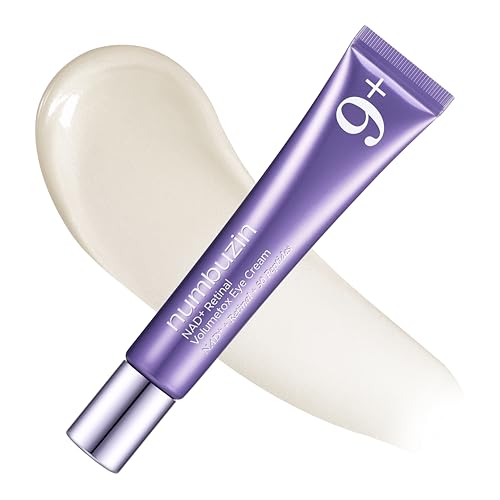
numbuzin No.9 NAD+ Retinal Eye Cream combines NAD+, encapsulated retinal, peptides and niacinamide in a 0.67 fl oz eye cream. The maker calls the retinal beginner-friendly and says encapsulation is intended to enhance absorption while helping minimize irritation. That makes it a distinct option for someone looking for retinal alongside a peptide complex and a smaller-format cream. Retinal can still cause irritation, so the beginner-friendly positioning is not a reason to start with frequent application. Choose a non-retinal formula if your priority is moisture without a retinoid active.
Bottom line: Choose this for a retinal cream that also features NAD+ and peptides.
How to choose an eye cream active
Choose by the ingredient and texture you want, not by a broad promise about dark circles or fine lines. Retinal is a retinoid, while snail mucin, hyaluronic acid and squalane are commonly used for moisture; peptides are another route for a smoothing-focused formula. An eye cream is a leave-on product for the delicate skin around the eyes, so a concentrated active can feel different there than on thicker facial skin. If your routine already includes a retinoid, avoid layering multiple new retinoid products around the eyes at once. Start one new active at a time and pause if persistent irritation develops. For dry-feeling skin without a retinoid goal, a moisturizing formula is the more direct fit.
Introducing retinal around the eyes
Retinal eye products are best introduced gradually rather than applied nightly from the first use. A practical starting rule is one or two evenings per week, increasing only if the skin tolerates it; keep the amount small and avoid the lash line and eyelids. Retinoids can increase irritation and sun sensitivity, so use sunscreen during the day and stop use if significant burning, swelling or persistent redness occurs. Do not use retinoids during pregnancy unless your clinician specifically advises otherwise. Keep retinal products closed and stored as directed, since light and air can degrade some formulas. The Seoul 1988 formula specifically recommends nighttime use because retinal may oxidize.
Eye cream versus eye serum
Eye creams and eye serums differ mainly in texture and intended layering, not in a guaranteed level of results. Creams generally feel more emollient, while serums are often lighter and easier to layer under moisturizer or makeup. A serum can still contain strong actives, so a light feel does not mean it is automatically gentler. Apply eye care on clean, dry skin and use a small amount; rubbing close to the eye can cause irritation regardless of format. Use this guide to match the format to the routine you already follow.
| Routine need | Format to consider | Why it fits |
|---|---|---|
| Retinal in a cream | Eye cream | Combines retinoid care with cream format |
| Light layering | Eye serum | Typically less rich in feel |
| Moisture-first care | Hydrating cream | Focuses on cushioning rather than retinal |
Common mistakes with eye treatments
The most common mistake is starting a retinal product too often or applying it right up to the eye. Keep application to the orbital area, use a small amount, and increase frequency only after several uses without irritation. A second mistake is expecting an eye product to change every cause of dark circles: genetics, visible blood vessels, pigmentation and shadows from facial structure can look similar but respond differently. Sunscreen and sunglasses help limit UV exposure, which can worsen uneven pigmentation. Do not layer multiple retinoids or exfoliating acids around the eyes on the same night when beginning a new product. Patch test a new formula on a small area first, especially if your skin is reactive.
Frequently Asked Questions
How often should I start using retinal eye cream?
Start one or two nights per week and increase gradually only if the skin stays comfortable. Retinoids can irritate the thin eye area, so pause if persistent redness or burning appears.
Can retinal eye cream go on the eyelids?
Keep retinal eye products on the orbital area rather than the eyelids or lash line. Product migration can irritate the eyes, and a small amount is enough for the surrounding skin.
Should I use retinal eye cream in the morning?
Nighttime use is a sensible default for retinal because light and air can degrade some formulas, and the Seoul 1988 product specifically recommends nighttime application. Use sunscreen during the day when using a retinoid.
Can I use eye cream with a face retinol?
Avoid applying two retinoid products around the eyes on the same night when starting out. Introduce one product at a time and separate applications until you know your skin tolerates both.
Are eye serums gentler than eye creams?
Not necessarily; texture does not determine active strength or irritation risk. Check the active ingredients and introduce a retinal or other retinoid serum just as cautiously as a cream.