
Best Canes for Seniors: 5 Styles Compared by Fit

For most seniors, the HurryCane Freedom Edition is a strong choice because its 30.5–37.5-inch adjustment range and pivoting three-point base combine fit options with a foldable design. Choose a different style if you prefer a wider palm-contact handle, a simpler single tip, or a cane rated for a specific weight capacity.
A walking cane adds a point of support during walking, but it must be fitted and used correctly; anyone with frequent falls or difficulty bearing weight should ask a clinician or physical therapist whether a cane is enough support.
We earn a commission if you buy through links on this page. As an Amazon Associate I earn from qualifying purchases. Products are compared on manufacturer specifications, not hands-on testing.
- Best overall: HurryCane Freedom Edition – Its adjustable height, folding design and pivoting three-point base suit varied everyday needs.
- Best for palm comfort: REHAND All-Terrain Tip Cane – Its longer, wider handle uses both hard PP and soft TPR materials.
- Best for capacity rating: Medline Aluminum Offset Cane – Its 300-pound capacity and adjustable offset design provide a clear fit and load reference.
| Product | Best for | Height range | Weight | Tip or base | Shop |
|---|---|---|---|---|---|
| HurryCane Freedom Edition | Folding stability | 30.5–37.5 in | 1 lb | Pivoting three-point base | Check Price on Amazon |
| HONEYBULL Pivot Base Cane | Adjustable pivot base | 30–36 in | 0.97 lb | Pivoting three-tip base | Check Price on Amazon |
| REHAND All-Terrain Tip Cane | Wide palm grip | 31–38 in | — | All-terrain tip | Check Price on Amazon |
| REHAND Soft-Grip Pivot Cane | Soft handle grip | — | 0.99 lb | Pivoting four-prong base | Check Price on Amazon |
| Medline Aluminum Offset Cane | Rated capacity | 29–38 in | Under 1 lb | Single rubber pad | Check Price on Amazon |
Best canes for seniors
Compare the adjustment range and support style, then choose a cane that matches the user’s height and walking needs.
HurryCane Freedom Edition
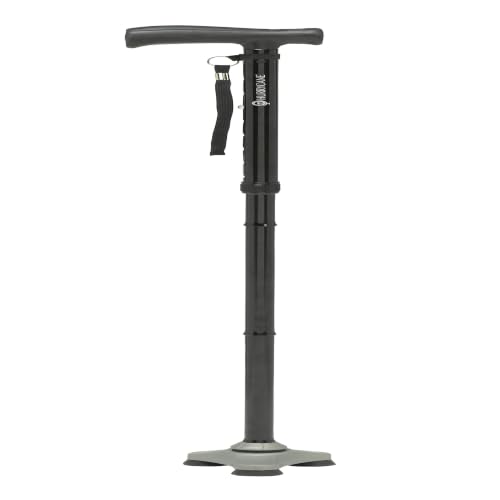
The HurryCane stands apart with a pivoting three-point base and a 30.5–37.5-inch height range. Its folding design collapses to 13.7 inches, and the 4.25-inch base can stand independently, which may help when setting the cane aside. The cane suits someone who wants a compact fold and a base that pivots during everyday walking. Its base is wider than a single-tip cane, so shoppers who want the simplest, narrowest contact point may prefer a conventional cane instead. Match the height to the user rather than relying on the advertised range alone.
Bottom line: Choose this if a folding cane with a pivoting three-point base fits the user’s routine.
HONEYBULL Pivot Base Cane

The HONEYBULL pairs a 30–36-inch adjustment range with a free-standing, pivoting three-tip base. Its aluminum construction and collapsible design make it a portable option, while the maker says the range suits people from 5 feet to 6 feet 5 inches. This cane may fit someone who wants the pivoting base and a compact fold without the longer adjustment range of some alternatives. The 30-inch minimum is higher than the Medline’s 29-inch minimum, so users who need a shorter setting should compare their fitted cane height before choosing.
Bottom line: Pick this for a collapsible cane with a free-standing pivoting base and a 30–36-inch range.
REHAND All-Terrain Tip Cane
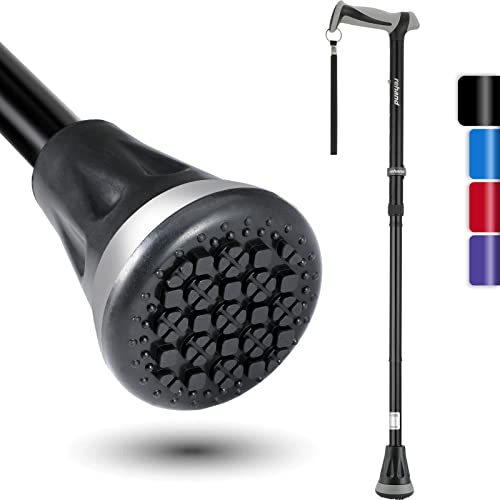
The REHAND All-Terrain Tip Cane is distinguished by its longer, wider handle, which combines hard PP and soft TPR materials. The maker says its eight height settings span 31–38 inches in one-inch increments and accommodate users from 5 feet to 6 feet 5 inches. A travel bag is included, and the tip is identified as all-terrain. This option suits someone prioritizing a broader palm contact area and several height settings. Its size name says 34–38 inches, however, so confirm the adjustment range before ordering if the user needs a setting below 34 inches.
Bottom line: Choose this when a wider mixed-material handle and all-terrain tip are priorities.
REHAND Soft-Grip Pivot Cane

The REHAND Soft-Grip Pivot Cane has a four-pronged rotating base with non-slip rubber foot pads, setting it apart from the three-point base styles. Its longer, wider handle uses soft TPR, and a wrist strap is included; the cane is also designed to stand on its own and comes with a travel bag. These features may suit a user who wants a broad grip and a self-standing pivoting base.
Bottom line: Pick this for a soft TPR grip and a rotating four-pronged base, after verifying fit.
Medline Aluminum Offset Cane

The Medline Aluminum Offset Cane is the only option here with a 300-pound capacity and a conventional single rubber pad. Its height adjusts from 29 to 38 inches, and it weighs less than 1 pound; the offset handle is foam-covered and includes a wrist strap. This simpler tip and explicit capacity rating may suit someone who wants a traditional cane rather than a folding pivot-base style. Its single contact point offers a different support feel from the wider multi-pronged bases, so it may not meet the preference of someone seeking a self-standing cane.
Bottom line: Choose this for a traditional offset cane with a 300-pound capacity.
How to fit a cane for senior walking
A cane fits when its handle reaches the wrist crease while the user stands upright in usual shoes with arms relaxed. The elbow should bend about 15 to 20 degrees while holding the handle; too much bend or a locked elbow can make walking awkward. Adjust a height-setting cane in small increments, then recheck both the wrist position and elbow angle. If the handle cannot reach the right height within its range, choose another model rather than compensating with a stoop or raised shoulder. Use the cane in the hand opposite the weaker or painful leg, and move the cane forward with that leg. A therapist can help when balance problems, pain, or weakness make the right support unclear.
Choosing a cane tip and base
A single rubber tip gives a cane one ground-contact point, while multi-pronged and pivoting bases broaden contact and may stand independently. A wider base can be useful for a user who wants the cane to remain upright when released, but it adds bulk around the feet and furniture. Cane tips need firm, intact rubber: replace a worn or split tip because reduced tread can slip on smooth floors. Pivoting tips are designed to keep contact as the cane angle changes, but they do not make a cane safe on every wet, icy, or uneven surface. For frequent outdoor use, consider whether the tip is specified for that terrain and clear leaves, gravel, and other debris before placing weight on it.
Using a cane safely on stairs and outdoors
On stairs, hold the rail when one is available and take one step at a time; the usual sequence is the stronger leg up first and the cane plus weaker leg down first. Do not use a cane to carry bags that occupy the supporting hand, and avoid leaning heavily on a cane if a clinician has not confirmed it provides enough support. On level ground, place the cane slightly ahead and to the side, then step through with the weaker leg. Wet floors, loose rugs, and icy pavement can defeat even a rubber tip, so shorten steps and use another person’s help or a more suitable mobility aid when footing is uncertain. Reassess the cane height after footwear changes.
Common cane fitting and use mistakes
A cane set too high can lift the shoulder, while a cane set too low can encourage a forward bend; the wrist-crease and 15–20-degree elbow checks help catch both errors. Another common mistake is holding the cane on the same side as the weak leg: opposite-side use lets the cane and weaker leg advance together. Check the rubber tip regularly for worn tread, cracks, or looseness, and keep the cane’s adjustment pin fully engaged before walking. A cane is generally intended for one-sided support, not to carry the user’s full weight; someone who cannot bear weight safely or has repeated falls may need a walker or professional assessment instead.
Frequently Asked Questions
Which hand should hold a cane for a weak leg?
Hold the cane in the hand opposite the weaker leg. Move the cane forward with the weak leg, then step through with the stronger leg to keep support on the opposite side.
How much should a cane handle bend the elbow?
Aim for about 15 to 20 degrees of elbow bend while gripping the handle. Check this with the user standing upright in their usual shoes and arms relaxed.
When should a rubber cane tip be replaced?
Replace a tip when its tread is worn smooth, split, loose, or no longer grips evenly. Inspect it regularly, especially after frequent outdoor use or contact with rough pavement.
Can a walking cane support full body weight?
A standard cane is generally for balance or partial support, not for carrying full body weight. Someone who cannot safely bear weight or has repeated falls should seek a clinician’s guidance about a more supportive aid.
How do you climb stairs with a cane?
Use a handrail when available and take one step at a time. The common sequence is stronger leg up first; going down, place the cane and weaker leg first.