
Best Mouthwash for Tongue: 4 Rinses Compared

For tongue-focused odor care, choose SmartMouth Original Zinc Activated because its rinse comes with a tongue cleaner and uses zinc activated technology to target odor-causing sulfur gas.
Choose an essential-oil rinse instead if you want a botanical formula, but mouthwash is not a substitute for gently cleaning the tongue surface.
We earn a commission if you buy through links on this page. As an Amazon Associate I earn from qualifying purchases. Products are compared on manufacturer specifications, not hands-on testing.
- Best overall: SmartMouth Original Zinc Activated – Includes a tongue cleaner and a zinc activated rinse for bad-breath odor.
- Best for botanical ingredients: Silver Botanicals Silver Tongue 32 fl oz – Combines colloidal nanosilver, xylitol, baking soda and 11 botanicals.
- Best for whitening support: Hismile iD Stain Whitening Mouthwash – Uses hydrogen peroxide and essential oils to help maintain white teeth and freshen breath.
| Product | Best for | Tongue-care feature | Key ingredients | Size | Shop |
|---|---|---|---|---|---|
| SmartMouth Original Zinc Activated | Tongue odor care | Included tongue cleaner | Zinc-activated formula | 16 fl oz | Check Price on Amazon |
| Silver Botanicals Silver Tongue 32 fl oz | Botanical daily rinse | No cleaner specified | Colloidal nanosilver, xylitol, baking soda | 32 fl oz | Check Price on Amazon |
| Hismile iD Stain Whitening Mouthwash | Whitening support | No cleaner specified | Hydrogen peroxide, four essential oils | 8 fl oz | Check Price on Amazon |
| Silver Tongue Oral Care 16 oz | Simple silver rinse | No cleaner specified | Colloidal silver, essential oils | 16 fl oz | Check Price on Amazon |
Mouthwash for Tongue Care
Compare each rinse by its tongue-cleaning feature, formula and bottle size.
SmartMouth Original Zinc Activated

Unlike the other options here, this rinse includes a tongue cleaner alongside its mouthwash. SmartMouth says its dual-solution zinc technology activates as you pour and targets sulfur gas associated with bad breath; the maker also claims 24-hour odor prevention with twice-daily rinsing. The formula is alcohol-free, sugar-free and gluten-free. It suits shoppers who want a dedicated tongue-cleaning tool as well as a rinse. The limitation is that the maker does not identify the tongue cleaner’s design, so buyers who need a particular shape or material should verify that before choosing.
Bottom line: Pick this if a separate tongue-cleaning tool is your priority.
Silver Botanicals Silver Tongue 32 fl oz

The 32-fl-oz size distinguishes this botanical rinse from the smaller bottles, and its formula combines colloidal nanosilver with xylitol, baking soda and essential oils. The maker identifies 11 botanical ingredients and describes the rinse as alcohol-free and fluoride-free. It may suit someone seeking an ingredient-focused daily rinse rather than a product that includes a physical tongue cleaner.
Bottom line: Choose this for a larger botanical rinse, not a built-in cleaner.
Hismile iD Stain Whitening Mouthwash
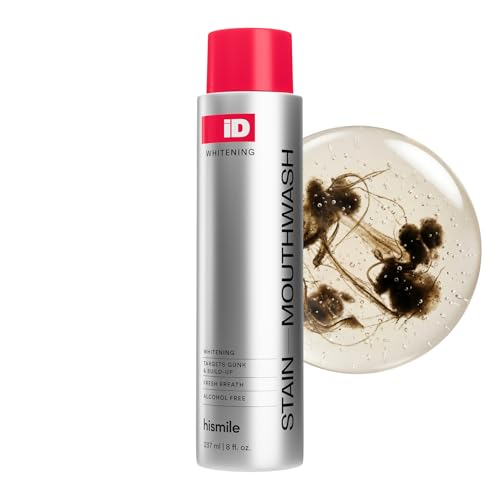
Hydrogen peroxide sets this rinse apart: Hismile says the formula helps maintain white teeth and uses four essential-oil actives to freshen breath. The maker also describes visible particles as debris and proteins bound by the rinse. At 8 fl oz, it is the smallest bottle among the options with a disclosed size. This is a better fit for someone pairing breath freshness with whitening support than for someone looking specifically for a tongue cleaner. The maker gives no peroxide concentration, so buyers who need to compare strength should check the package.
Bottom line: Pick this when whitening support matters more than a tongue-cleaning tool.
Silver Tongue Oral Care 16 oz

This 16-fl-oz Silver Tongue rinse is the simpler of the two colloidal-silver options here, with essential oils and a formula described as free of fluoride and alcohol. The maker also describes it as vegan and gluten-free. It may suit shoppers who want a straightforward essential-oil mouthwash without a dedicated tongue tool. It is a mouthwash rather than a tongue scraper.
Bottom line: Choose this for a basic silver-and-essential-oil rinse.
How to choose mouthwash for tongue odor
For tongue odor, prioritize physical tongue cleaning and then choose a rinse for the feature you actually need. The back of the tongue can hold odor-producing debris, so a tongue scraper or the tongue brush on a toothbrush addresses the surface more directly than a rinse alone. Brush or scrape gently from back to front; forceful pressure can irritate the tongue. A rinse with zinc may also target volatile sulfur compounds associated with bad breath, while essential oils mainly provide a fresh flavor. If you want an included tongue tool, select a product that explicitly includes one; otherwise, plan on a separate scraper. Persistent bad breath despite daily brushing, flossing and tongue cleaning warrants a dental check, since mouthwash may not address gum disease, dry mouth or other causes.
What mouthwash ingredients do
Zinc compounds can bind sulfur-containing odor molecules, which is why zinc-based rinses are commonly aimed at breath odor rather than whitening. Hydrogen peroxide is an oxidizing ingredient used in some whitening products, but concentration and directions matter; do not assume a rinse is suitable for prolonged or undiluted use. Essential oils such as peppermint or cinnamon mainly contribute flavor and a cooling sensation, and can irritate some mouths. Alcohol-free formulas are an option for people who prefer to avoid alcohol, but alcohol content alone does not determine whether a rinse is right for tongue care. Never swallow mouthwash, and keep it away from young children unless a dental professional advises otherwise.
Tongue cleaner and mouthwash compared
A tongue cleaner removes surface coating, while a mouthwash rinses the mouth and may target particular odor compounds. Use this quick guide to match the tool to the job.
| Need | Best-matching option | Reason |
|---|---|---|
| Remove tongue coating | Scraper or tongue brush | Direct physical cleaning of the tongue surface |
| Target sulfur-related odor | Zinc rinse | Zinc can bind odor compounds |
| Fresh flavor | Essential-oil rinse | Flavoring oils create a fresh sensation |
| Whitening support | Peroxide rinse | Peroxide is used in some whitening formulas |
When tongue coating is the main concern, use a scraper gently once daily rather than increasing rinse strength or frequency. A tool that causes pain or bleeding is being used too aggressively.
How to use a tongue cleaner safely
Clean the tongue gently once a day, using a scraper or soft toothbrush and light pressure. Start near the middle or back only as far as is comfortable, then draw the tool forward and rinse it between passes. Do not push far enough to trigger gagging, and do not scrape until the surface becomes sore or bleeds. Follow the mouthwash label for the measured amount and rinse time; more product or longer rinsing does not mean better odor control. Spit mouthwash out rather than swallowing it, and supervise children who use a rinse. Persistent pain, sores, a thick coating that does not clear, or bad breath that continues despite routine cleaning should be discussed with a dental professional.
Frequently Asked Questions
Does mouthwash clean tongue coating by itself?
Mouthwash can rinse loose debris, but it does not replace gently brushing or scraping the tongue surface. A once-daily light pass with a scraper is a practical starting point.
Is zinc mouthwash useful for tongue odor?
Zinc rinses can target sulfur compounds associated with bad breath, while physical tongue cleaning removes surface coating. Choose zinc for odor control and add gentle scraping if coating is the concern.
Can peroxide mouthwash whiten teeth safely?
Some mouthwashes use hydrogen peroxide to support whitening, but strength and directions vary by formula. Use only as the package directs and stop if you develop irritation.
How often should I clean my tongue?
Once a day is generally enough for routine tongue cleaning. Use light pressure; soreness or bleeding means you should ease up.
When should bad breath be checked by a dentist?
Arrange a dental evaluation if bad breath persists despite daily brushing, flossing and tongue cleaning.