
Best Cool Toned Contour: 5 Formulas Compared by Fit

For most people seeking a cool toned contour, KYDA Cool Tone Contour Palette is the versatile pick because its buildable matte powder can be used on the face, brow, and hairline. Choose a cream stick instead if you prefer direct application or want a shade specifically described for fair-to-light skin.
We earn a commission if you buy through links on this page. As an Amazon Associate I earn from qualifying purchases. Products are compared on manufacturer specifications, not hands-on testing.
- Best overall: KYDA Cool Tone Contour Palette – Buildable matte powder is described for facial contouring as well as brows and hairline.
- Best for everyday cream sculpting: Exmiloo Cool Taupe Contour Stick – Its buildable Fair Taupe cream blends to a soft-matte finish for fair-to-light skin.
- Best for fair, cool skin: Cool Toned Contour Palette with Brush – The palette uses ash-gray powders and includes a face brush and mirror.
| Product | Best for | Format | Shade | Size | Shop |
|---|---|---|---|---|---|
| KYDA Cool Tone Contour Palette | Buildable powder | Pressed powder palette | Cool toned | 1 count | Check Price on Amazon |
| Cool Toned Contour Palette with Brush | Fair cool complexions | Powder palette with brush | Grey | 1.5 oz | Check Price on Amazon |
| Exmiloo Cool Taupe Contour Stick | Everyday cream sculpt | Cream stick | Fair Taupe | 0.14 oz | Check Price on Amazon |
| Erinde Grey Brown Contour Stick | Larger cream stick | Cream stick | Cold Gray Brown | 1.59 oz | Check Price on Amazon |
| SHEGLAM Sun Sculpt Liquid Contour Stick | Sponge-tip liquid | Liquid cream-gel stick | 01 Soft Tan | 0.18 fl oz | Check Price on Amazon |
Cool Toned Contour Picks
Compare the powder and cream formats, then choose by shade and application preference.
KYDA Cool Tone Contour Palette

Unlike the cream sticks here, this palette offers a matte pressed powder format with multiple shades, including matte and shimmer. KYDA says the fine, lightweight powder blends across the face, brows, and hairline, making it a fit for people who prefer layering powder with a brush. Its palette format is less suited to someone who wants a direct cream application; the fields do not give a shade count, so check that before choosing if you need a particular range of tones.
Bottom line: Choose this if you want a buildable powder palette for face and brow contouring.
Cool Toned Contour Palette with Brush
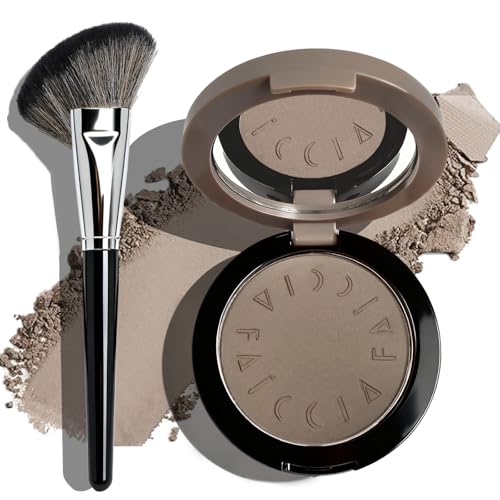
This is the only palette in the group whose features specifically target fair, pale, and light cool toned skin, and it includes a face brush and built-in mirror. The maker describes its powders as ash-gray and intended to mimic natural shadows, which suits shoppers who find warmer contour shades look orange on them. The copy also claims suitability for dry and oily skin, but those are performance claims rather than a substitute for checking the shade on your own complexion.
Bottom line: Pick this if fair, cool skin and an included brush are your priorities.
Exmiloo Cool Taupe Contour Stick

Among the cream options, this stick pairs a muted taupe-brown shade with a soft-matte finish and a fair-to-light complexion match. Exmiloo says the color is buildable and can be blended in thin layers; the stick can be applied beneath cheekbones, along the jaw or hairline, or around the nose. It is a compact, single-shade format rather than a palette, so it may not suit anyone who wants several tones in one product.
Bottom line: Choose this for a single, buildable taupe cream shade for fair-to-light skin.
Erinde Grey Brown Contour Stick

This stick has the largest size among the cream products, at 1.59 ounces, and its grey-brown shade is described for fair-to-light skin. The maker says its matte cream formula blends for cheek, jaw, and nose contouring and claims up to 12 hours of waterproof wear. That wear claim may appeal to someone prioritizing longevity, but the larger stick is a single shade and may be more product than needed if you want a smaller, trial-size format.
Bottom line: Consider this if you want a larger gray-brown cream stick and value the maker’s wear claim.
SHEGLAM Sun Sculpt Liquid Contour Stick

The sponge applicator sets this liquid cream-gel apart from the other picks, which are powder palettes or direct cream sticks. SHEGLAM says the formula is highly pigmented, blendable, and long-wearing, with a natural sculpted finish. The 0.18-fluid-ounce size gives you a compact liquid option, but its shade is named Soft Tan rather than gray or taupe, so shoppers seeking a distinctly ash-toned shade may prefer one of the other options.
Bottom line: Pick this for a sponge-tip liquid contour if Soft Tan suits your complexion.
How to choose a cool toned contour
Choose a contour shade that reads like a subtle shadow rather than a warm bronzer: muted taupe and gray-brown tones are common starting points for cool complexions. Cream sticks suit direct placement and blending before powder; pressed powders are easier to layer with a brush and can be used for softer definition. Start with a light application under the cheekbone, then blend upward rather than drawing a dark stripe. If a shade looks orange against your skin in daylight, choose a grayer taupe instead.
Powder and cream contour compared
Powder and cream contour differ most in application and finish, so choose based on your routine and base makeup. Cream formulas glide directly onto skin and are often blended with a sponge or fingers; powder formulas are swept on with a brush and built gradually. Cream over a set, powdery base can drag or lift makeup, while powder over damp foundation can stick in patches. The table gives a quick format-to-use guide.
| Format | Works well for | Watch for |
|---|---|---|
| Cream stick | Direct placement and layered definition | Blend before setting powder |
| Pressed powder | Brush application and gradual layering | Use a light hand over foundation |
| Liquid sponge-tip | Targeted placement with built-in applicator | Blend promptly in small areas |
Where to place contour for natural definition
Place contour where a soft shadow would fall: below the cheekbone, along the jawline, at the hairline, or beside the nose. For cheek contour, keep the deepest color toward the ear and fade it before the center of the cheek; extending it toward the mouth can make the face look drawn. Nose contour works best with two narrow, blended lines rather than a broad stripe. Use a small amount first, especially with highly pigmented formulas, and add another thin layer only where the shape needs more definition.
How to apply and set contour
Apply contour in thin layers and blend the edges before adding more pigment; this keeps gray and taupe shades from turning patchy or overly dark. Cream contour generally blends most easily over liquid or cream foundation before setting, while powder contour is typically applied after foundation has been set lightly. Use a clean brush or sponge and avoid pressing a powder brush into wet foundation. For nose work, a small brush gives more control than a broad face brush. Remove makeup at the end of the day rather than sleeping in it.
Frequently Asked Questions
How do I know if a contour shade is too warm?
A contour that looks orange or distinctly bronze against your skin is likely too warm for a cool toned shadow effect. Try a muted taupe or gray-brown shade in daylight and blend a small amount along the cheekbone before committing to a full application.
Should I apply cream contour before powder?
Apply cream contour before setting powder so it can blend into the foundation rather than drag over a dry layer. Keep the cream in thin strokes and set the finished base lightly afterward if needed.
Where should contour go on the cheeks?
Place cheek contour just below the cheekbone, starting nearer the ear and fading before the center of the cheek. Blend upward toward the cheekbone; carrying a dark line toward the mouth can look harsh.
Can I use contour on my nose and jaw?
Yes, contour is commonly placed along the sides of the nose and beneath the jawline for definition. Use narrow strokes on the nose and blend the jawline downward into the neck to avoid a visible edge.
How can I keep powder contour from looking patchy?
Apply powder contour over a lightly set base, not wet or tacky foundation, which can make powder grab in spots. Tap excess product off the brush and build with light passes rather than one heavy stripe.