
Best Store-Bought Sauce for Salmon: 3 Sauces Compared

Johnny’s Salmon Finishing Sauce is the best fit for most people because it is specifically named as a salmon finishing sauce and comes in a 12-ounce bottle. Choose Milani Dill Sauce for a tangy dill option, or Fulton Fish Market Sauce Bundle if you want two distinct sauces for marinades and glazing.
A finishing sauce is added to cooked food or near the end of cooking; a marinade is used before cooking, while a glaze coats food during cooking.
We earn a commission if you buy through links on this page. As an Amazon Associate I earn from qualifying purchases. Products are compared on manufacturer specifications, not hands-on testing.
- Best overall: Johnny’s Salmon Finishing Sauce – Its name identifies it as a salmon finishing sauce, and the bottle holds 12 ounces.
- Best for tangy dill: Milani Dill Sauce – The maker describes a bold, tangy dill flavor and names seafood among its uses.
- Best for two flavor styles: Fulton Fish Market Sauce Bundle – The bundle includes a sesame ginger marinade and a sweet bourbon seafood glaze.
| Product | Best for | Package size | Intended use | Flavor profile | Shop |
|---|---|---|---|---|---|
| Johnny’s Salmon Finishing Sauce | Salmon finishing | 12 fl oz | Finishing sauce | — | Check Price on Amazon |
| Milani Dill Sauce | Tangy dill | 16 fl oz | Seafood, meats, salads | Bold, tangy dill | Check Price on Amazon |
| Fulton Fish Market Sauce Bundle | Two sauce styles | 2 × 12 fl oz | Marinade and glaze | Sesame ginger; sweet bourbon | Check Price on Amazon |
Store-Bought Sauces for Salmon
Match the sauce format and flavor style to how you plan to prepare the salmon.
Johnny’s Salmon Finishing Sauce

Unlike the all-purpose sauce and two-sauce bundle, Johnny’s is specifically named as a salmon finishing sauce. The bottle holds 12 fluid ounces, a useful size when you want a single sauce format for the meal rather than separate marinade and glaze options. A finishing sauce is generally added after cooking or near the end, which keeps it distinct from a marinade used beforehand. The product name makes its intended role clear, but the facts do not establish a flavor profile. Choose it when the salmon-specific finishing format matters more than selecting a known flavor style.
Bottom line: Pick this when you want a sauce specifically intended for finishing salmon.
Milani Dill Sauce
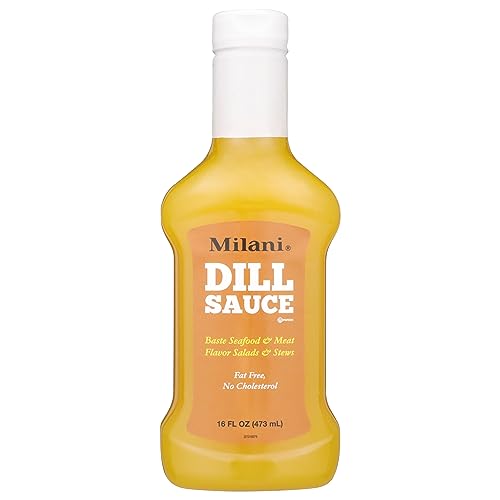
Milani stands apart with a dill-based, tangy profile and an all-purpose role rather than a salmon-only finishing format. The maker says it can accompany seafood and also be used with grilled meats, salads, and sandwiches; it also describes the sauce as fat free and with no cholesterol. The 16-fluid-ounce bottle suits cooks who want one sauce for more than salmon. Because it is presented as a versatile condiment and marinade, it may be less suitable if you want a sauce made specifically for finishing salmon or prefer a different flavor direction.
Bottom line: Choose this if tangy dill and uses beyond seafood fit your meals.
Fulton Fish Market Sauce Bundle

This bundle is the only option here that pairs a marinade with a separate glaze: sesame ginger and sweet bourbon, respectively. Each sauce is 12 fluid ounces. The maker says the sesame ginger sauce suits marinating salmon and can also be used as a dressing or dip; it describes the bourbon sauce as a seafood glaze. That split gives you more than one way to season a meal, but requires choosing between two bottles instead of one sauce. The maker also describes both sauces as all-natural, a claim to consider alongside the flavor and format that suit your cooking.
Bottom line: Pick this when you want both a salmon marinade and a separate glaze.
How to Choose a Sauce for Salmon
Choose by flavor direction and when you plan to add the sauce: a finishing sauce goes on cooked salmon or near the end, while a marinade seasons the fish before cooking and a glaze coats it during cooking. Dill offers a familiar herb-forward direction; sesame ginger brings a sweet-savory profile, and bourbon glazes lean sweet. For a simple decision rule, pick a finishing sauce if you want to add sauce after cooking, and choose a marinade when you want the fish coated before it goes on the heat. Read the ingredient and allergen labels before serving, especially when cooking for someone with a food allergy. Sauce names alone do not establish allergen content or salt level.
When to Add Marinade, Finishing Sauce, and Glaze
Add a finishing sauce after the salmon is cooked or during the final moments; a marinade belongs before cooking, and a glaze is brushed on as the fish cooks. Sugary glazes can darken or burn over direct, high heat, so apply them late or cook over indirect heat. Marinades that touched raw fish should not be served as-is; discard them or bring them to a full boil before using as a sauce. Keep raw-fish preparation separate from ready-to-eat food, and wash hands and utensils after handling it. A thermometer gives a practical safety check: FDA guidance is to cook fish to 145°F, measured in the thickest part.
Salmon Sauce Styles at a Glance
Match the sauce format to the job you need it to do. The table separates common uses so you can decide before choosing a flavor.
| Style | When to use | Best fit |
|---|---|---|
| Finishing sauce | After cooking or near the end | Serving sauce with minimal extra cooking |
| Marinade | Before cooking | Coating salmon before heat |
| Glaze | Late in cooking | Adding a coated finish; watch for scorching |
Most salmon fillets cook quickly, so a thick or sweet coating can overcook on the surface before the center is ready if applied too early. Keep the cooking method in mind: a glaze needs closer attention over direct heat than a sauce served at the table.
Common Mistakes When Saucing Salmon
The most common mistake is treating a marinade, glaze, and finishing sauce as interchangeable. A marinade contacts raw fish, so it needs safe handling; a finishing sauce avoids that raw-fish contact when added after cooking. Another mistake is applying a sweet glaze too early over intense heat, where sugars can scorch. Patting salmon dry before searing helps the surface brown rather than steam, and leaving space between pieces helps heat circulate. Check the fish at its thickest point rather than judging doneness by the outside color alone; the safe endpoint is 145°F. If you are serving sauce separately, use a clean utensil rather than one that touched raw salmon.
Frequently Asked Questions
When should I put sauce on salmon?
Add finishing sauce after cooking or near the end, and use marinade before cooking. Apply sweet glaze late because sugar can darken or burn over high heat.
What temperature should salmon reach?
Cook salmon to 145°F, measured at the thickest part. A food thermometer is more reliable than judging the center by color alone.
Can I reuse salmon marinade as sauce?
Do not serve marinade that touched raw salmon without further cooking. Discard it or bring it to a full boil before using it as a sauce.
How do I stop salmon glaze from burning?
Brush sweet glaze on late in cooking or use indirect heat. Sugars can scorch over direct, high heat before the fish is done.