
Bye Critter Ultrasonic Pest Repeller: 4 Options Compared

The Bye Critter ultrasonic pest repeller is the closest match because it is the named plug-in model and claims coverage up to 800 square feet. Choose another device if you need multiple units or a frequency range; an ultrasonic repeller emits high-frequency sound intended to deter pests indoors.
These devices should not replace sealing entry points and removing food sources. Sound does not travel through walls, so each room may need separate attention.
We earn a commission if you buy through links on this page. As an Amazon Associate I earn from qualifying purchases. Products are compared on manufacturer specifications, not hands-on testing.
- Best overall: Bye Critter Ultrasonic Pest Repeller – It is the named model and claims 800-square-foot indoor coverage.
- Best for multi-unit packs: Three-Mode Ultrasonic Repeller, 6-Pack – The package contains six plug-in devices and specifies three modes.
- Best for frequency range: Black Ultrasonic Repeller, 6-Pack – Its ultrasonic range is 10–65 kHz, with six devices in the pack.
| Product | Best for | Coverage claim | Pack size | Frequency range | Shop |
|---|---|---|---|---|---|
| Bye Critter Ultrasonic Pest Repeller | Single-room use | 800 sq ft | 1 device | — | Check Price on Amazon |
| Pest Defence Ultrasonic Repeller | Brand alternative | 800 sq ft | 1 device | — | Check Price on Amazon |
| Three-Mode Ultrasonic Repeller, 6-Pack | Multiple outlets | — | 6 devices | 10–65 kHz | Check Price on Amazon |
| Black Ultrasonic Repeller, 6-Pack | Black finish | — | 6 devices | 10–65 kHz | Check Price on Amazon |
Bye Critter Ultrasonic Pest Repeller Options
Compare the named model with related indoor plug-in repellers by their coverage, pack size, and frequency information.
Bye Critter Ultrasonic Pest Repeller

The Bye Critter is the only named-brand match here, with a coverage claim of 800 square feet. It plugs into an indoor outlet and uses multiple soundwave modes; the maker says to allow 2 to 4 weeks for best results. The device is one white plug-in unit measuring 3.92 inches long, 1.66 inches wide, and 1.89 inches high. It uses no sprays, powders, or refills. The main limitation is that ultrasonic sound cannot pass through walls, so an open floor plan is a better fit than several separated rooms.
Bottom line: Choose it if you want the named one-unit model for an open indoor area.
Pest Defence Ultrasonic Repeller

The Pest Defence unit is a close alternative to the named model: both are single white plug-in devices with an 800-square-foot coverage claim and multiple soundwave modes. Its dimensions are 3.92 inches long, 1.66 inches wide, and 1.89 inches high, and its weight is 0.081875 pounds. The maker describes it for indoor use against mice, ants, roaches, and spiders, among other pests. The limitation is that it is not the Bye Critter-branded device; buyers specifically seeking that name should select the matching model instead.
Bottom line: Pick it if brand identity matters less than a similar single-unit specification.
Three-Mode Ultrasonic Repeller, 6-Pack
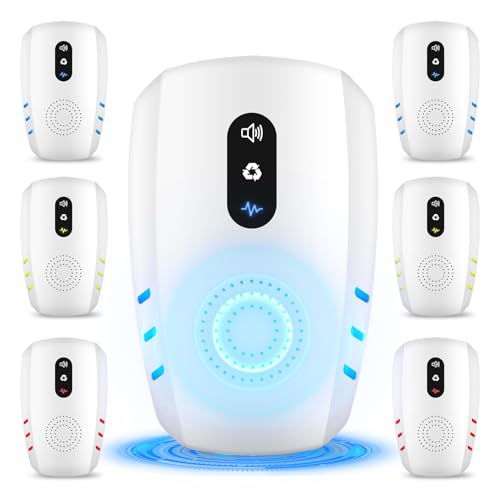
This six-pack provides multiple devices rather than the single-unit format of the two named-brand-style options. The maker gives a frequency range of 10–65 kHz and identifies three operating modes, with indoor use in homes, offices, and garages. A six-pack may suit a buyer planning to place a unit in several separate rooms, since ultrasonic sound does not pass through walls. The product name includes “2026,” but that does not establish a performance advantage.
Bottom line: Choose it when you need several units and want a frequency range.
Black Ultrasonic Repeller, 6-Pack

The black six-pack combines a different finish with the same 10–65 kHz range found on the other multi-unit option. The maker says the plug-in devices emit continuously changing ultrasonic frequencies after the indicator light turns on. The pack size is useful for separate spaces, where each unit can occupy its own outlet; it is not a substitute for sealing gaps or removing food sources. The key limitation is that no coverage area is given, so buyers cannot use the package count alone to estimate how many rooms it will serve.
Bottom line: Pick this pack if a black finish and six separate units suit your setup.
How ultrasonic pest repellers work indoors
Ultrasonic repellers plug into an outlet and emit sound above the range most people hear, but walls block that sound rather than carrying it into adjoining rooms. Soft furnishings, cabinets, and other obstacles can also reduce the open path from the device to a pest area. Treat each connected room as a separate placement zone, and do not assume a coverage-area claim means sound reaches behind furniture or through doors. The devices target common household pests with sound, not an attractant or a barrier. For a mouse problem, pair any repeller with practical controls: store food in sealed containers, remove crumbs and standing water, and close entry gaps. Mice can squeeze through openings about 1/4 inch wide.
Choosing between one unit and a multi-pack
Choose a single unit when the target area is one open room; choose multiple units when separate rooms need their own outlet placement. A square-foot figure is useful only for unobstructed space connected to the device, not a promise of coverage across walls. Among these options, the two single-unit products claim 800 square feet, while the two six-packs provide multiple devices but no area figure. The 10–65 kHz range is a frequency specification, not a measure of range or effectiveness. Use the table to compare what each product actually says before choosing.
| Need | Relevant distinction | Product |
|---|---|---|
| Named model | Single unit; 800 sq ft claim | Bye Critter Ultrasonic Pest Repeller |
| One-unit alternative | Single unit; 800 sq ft claim | Pest Defence Ultrasonic Repeller |
| Several rooms | Six devices; 10–65 kHz range | Three-Mode Ultrasonic Repeller, 6-Pack or Black Ultrasonic Repeller, 6-Pack |
Where to place a plug-in pest repeller
Place a repeller in an open outlet in the room where pest activity occurs, with its sound-emitting face unobstructed. Do not expect one device to cover a room behind a closed door or across a wall; add a separately placed device for a distinct room if choosing a multi-pack. Avoid hiding the unit behind a sofa, inside a cabinet, or behind heavy curtains, because barriers interfere with an unobstructed path. A wall outlet also needs to remain accessible and clear of objects that could block the device. Keep routine pest prevention in place: seal openings, store food securely, and remove nesting clutter, since a sound device does not physically stop pests from entering.
What to check before relying on sound alone
Ultrasonic repellers are not a replacement for exclusion and sanitation, particularly when there are recurring signs of rodents. Check for droppings, gnawing, or gaps around pipes and doors, then close entry points and remove food access. A gap around 1/4 inch can admit a mouse, so inspect small openings rather than only large holes. The Bye Critter maker recommends allowing 2 to 4 weeks for best results; that is a wait period, not a guarantee that an infestation will clear. If signs continue or increase, use established pest-control measures rather than relying only on an electronic sound source. Keep the outlet and device clear of moisture and physical obstruction.
Frequently Asked Questions
Can ultrasonic repellers work through walls?
No; ultrasonic sound is blocked by walls, so place a unit in each separate room where coverage is needed. Furniture and closed doors can also interrupt the open path.
How long does Bye Critter say results may take?
The maker recommends allowing 2 to 4 weeks for best results. Continue sealing entry gaps and removing food sources during that period rather than relying on sound alone.
How small a gap can a mouse enter?
A mouse can squeeze through an opening about 1/4 inch wide. Check around pipes, door edges, and other narrow gaps when closing entry points.
Will a six-pack cover six rooms automatically?
A six-pack supplies six devices, but that does not establish a coverage area per device. Separate rooms need individual placement because ultrasonic sound does not pass through walls.
Does a 10–65 kHz rating mean wider coverage?
No; 10–65 kHz describes frequency, not distance or square-foot coverage. Room layout and sound-blocking barriers still affect where the emitted sound reaches.