
Substitutes for Hydrolyzed Dog Food: 5 Options

For most dogs needing a hydrolyzed-food alternative, Diamond Care Hydrolyzed Salmon stands out for its hydrolyzed salmon protein and single-source limited-ingredient approach. Choose another option if your veterinarian specifies a particular formula, your dog needs wet food, or a small adult formula.
Hydrolyzed diets use proteins broken into smaller components; they are often used in veterinarian-directed food trials. These choices are alternatives within the hydrolyzed-food category, not non-hydrolyzed replacements.
We earn a commission if you buy through links on this page. As an Amazon Associate I earn from qualifying purchases. Products are compared on manufacturer specifications, not hands-on testing.
- Best overall: Diamond Care Hydrolyzed Salmon – Uses hydrolyzed salmon as its single protein source and is presented as a limited-ingredient diet.
- Best for wet feeding: Purina Pro Plan HA Wet Chicken – Canned format provides twelve 13.3-ounce portions with hydrolyzed protein and a single carbohydrate source.
- Best for small adults: Royal Canin HP Small Adult – Made for adult dogs under 22 pounds and includes a kibble shape intended for their jaws.
| Product | Best for | Format | Protein source | Package size | Shop |
|---|---|---|---|---|---|
| Diamond Care Hydrolyzed Salmon | Salmon protein option | Dry kibble | Hydrolyzed salmon | 25 lb | Check Price on Amazon |
| Purina Pro Plan HA Chicken Dry | Chicken dry formula | Dry kibble | Hydrolyzed protein; chicken flavor | 25 lb | Check Price on Amazon |
| Royal Canin HP Hydrolyzed Protein | Small bag size | Dry kibble | Hydrolyzed soy | 7.7 lb | Check Price on Amazon |
| Purina Pro Plan HA Wet Chicken | Canned feeding | Canned wet food | Hydrolyzed protein; chicken flavor | 9.975 lb total | Check Price on Amazon |
| Royal Canin HP Small Adult | Adults under 22 lb | Dry kibble | Hydrolyzed protein | 8.8 lb | Check Price on Amazon |
Substitutes for hydrolyzed dog food
Compare the protein source, feeding format and intended fit before discussing a diet change with your veterinarian.
Diamond Care Hydrolyzed Salmon
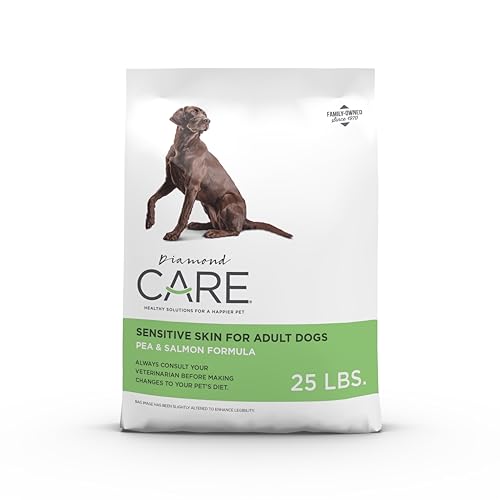
Hydrolyzed salmon distinguishes this dry food from the chicken- and soy-based options here. Diamond Care presents it as a limited-ingredient diet with a single protein source, plus omega-3 and omega-6 fatty acids, antioxidants and probiotics. The 25-pound bag suits buyers looking for a salmon-based alternative in a dry format. The maker says its probiotics are guaranteed at specified levels and are intended to survive and thrive in the GI tract. It is not the wet choice, and its intended use does not establish that it is interchangeable with a veterinarian-prescribed formula.
Bottom line: Choose this if a salmon-based hydrolyzed dry formula is the option your veterinarian approves.
Purina Pro Plan HA Chicken Dry

A 25-pound dry format and chicken flavor set this option apart from the smaller Royal Canin bags and the canned Purina formula. The formula has hydrolyzed protein sources, a single carbohydrate source and antioxidants. Purina says it is highly digestible and intended to promote nutrient absorption. This is a straightforward alternative to compare when a dry veterinary diet is appropriate and the prescribed food’s carbohydrate source and protein profile are acceptable to your veterinarian.
Bottom line: Pick this when your veterinarian approves this dry formula and its carbohydrate profile.
Royal Canin HP Hydrolyzed Protein

The 7.7-pound bag is the smallest dry package among these options, making it useful when comparing a soy-based formula without starting with a 25-pound bag. Royal Canin identifies hydrolyzed soy protein and says its low-molecular-weight peptides support gastrointestinal and dermatological health. The formula also includes EPA and DHA and is described as supporting the skin barrier and digestive health. It is a veterinary-exclusive food for adult dogs with sensitivities. This is not the small adult-specific formula; buyers choosing based on body size should distinguish it from the separate Royal Canin small adult option.
Bottom line: Choose this if a soy-based veterinary formula and smaller bag suit your veterinarian’s plan.
Purina Pro Plan HA Wet Chicken

This is the only canned choice in the group, packaged as twelve 13.3-ounce cans rather than dry kibble. Purina describes it as chicken-flavored with a single hydrolyzed protein source and carbohydrate source; coconut oil and antioxidants are also included. The format may suit dogs that are fed canned food or need a wet option approved for their diet plan. Purina says the food is highly digestible.
Bottom line: Pick this when your veterinarian approves a canned hydrolyzed formula.
Royal Canin HP Small Adult

The specific fit for adult dogs under 22 pounds is the main distinction of this 8.8-pound dry formula. Royal Canin says its hydrolyzed proteins are broken down to reduce the chance of immune recognition, and the food is designed to support skin and GI health. It also promotes a urinary environment unfavorable to struvite and calcium oxalate crystals, according to the maker. Its size-specific purpose matters more than choosing it simply because the bag is smaller.
Bottom line: Choose this for an adult dog under 22 pounds when the specific formula is approved.
How to choose a hydrolyzed dog food substitute
Choose by the exact diet plan, not by the word “hydrolyzed” alone. Hydrolysis breaks proteins into smaller fragments, but formulas can still differ in protein source, carbohydrate source, format and intended use. A veterinarian may prescribe a particular diet for a food trial; do not assume another hydrolyzed food is equivalent. For a diagnostic elimination trial, the diet generally needs to be exclusive for about 8 weeks, including treats and flavored medications, unless the veterinarian directs otherwise. A measurable rule: if your vet specifies a protein source or a single carbohydrate source, rule out any option that does not confirm that requirement before switching. Ask the clinic about treats and medications that fit the trial.
Dry kibble or canned hydrolyzed food
Dry kibble and canned food differ in feeding format, not just package size. Dry options here come in 7.7-, 8.8- and 25-pound packages, while the canned choice is twelve 13.3-ounce cans. Do not compare those package weights as equivalent meals: moisture content changes the weight and calories per serving. Use the food’s calorie information and your veterinarian’s feeding plan to determine portions; the specifications here do not provide calorie counts. A simple decision rule is to choose wet food only if canned feeding fits your dog’s routine and the veterinarian approves that formula. Keep opened canned food refrigerated and follow its package directions for storage and use.
Protein source and formula fit
Protein source can be a deciding constraint during a food trial. Flavor wording does not by itself confirm the specific protein used for hydrolysis. Make the choice by matching the veterinarian’s prescribed formula characteristics, not by assuming that different brands or flavors are interchangeable. For dogs under 22 pounds, one option is specifically designated for small adult dogs; that fit is different from a general adult food in a smaller bag. Check the dog’s weight and life stage against the intended-use statement before choosing.
How to switch diets during a food trial
A diet trial only answers its purpose when other food exposures are controlled. Transitioning over about 7 days is common for routine food changes, but a veterinarian may direct a faster or different change when beginning an elimination trial. Ask which approach applies before mixing the old food with a prescribed trial diet. During the trial, count treats, table scraps, chews and flavored medicines as possible food exposures; use only approved alternatives. Record the start date and any symptoms to discuss at follow-up. If a dog develops vomiting, diarrhea, facial swelling or breathing trouble after eating, contact a veterinarian promptly; breathing trouble or swelling warrants emergency veterinary care.
Frequently Asked Questions
How long does a hydrolyzed food trial usually last?
A veterinarian-directed elimination trial commonly lasts about 8 weeks. The trial’s diet must be exclusive, so ask the veterinarian before giving treats, chews or flavored medication.
Can I give treats during a hydrolyzed food trial?
Only use treats approved for the trial diet. Even small amounts of another food can undermine the purpose of a controlled elimination trial.
How quickly should I change my dog’s food?
A routine transition commonly takes about 7 days, increasing the new food gradually. For an elimination trial, ask the veterinarian whether to transition or start the prescribed diet on a different schedule.
Are canned and dry hydrolyzed foods interchangeable?
Not automatically: they differ in moisture, calories per serving, ingredients and prescribed use. Match the specific formula and portions to the veterinarian’s plan rather than substituting by package weight.
What should I do if my dog reacts to a new food?
Stop the new food and contact your veterinarian for guidance, especially for repeated vomiting or diarrhea. Facial swelling or breathing trouble needs emergency veterinary care.