
Cream for Bruising Skin: 5 Formulas Compared

For mature or thin skin that bruises easily, DerMend Moisturizing Bruise Cream stands out for its 4.5-ounce moisturizing formula with arnica, retinol and ceramides. Choose a different formula if you want a non-scented cream aimed at minor bruise discomfort or a lightweight gel instead.
Bruise creams are topical products applied to the skin; they do not replace evaluation of unexplained or frequent bruising.
We earn a commission if you buy through links on this page. As an Amazon Associate I earn from qualifying purchases. Products are compared on manufacturer specifications, not hands-on testing.
- Best overall: DerMend Moisturizing Bruise Cream – Its 4.5-ounce cream combines arnica, retinol and ceramides for moisturizing thin or mature skin.
- Best for fragrance-free use: Boiron Arnicare Bruise Cream – The 1.4-ounce cream is non-scented and made without fragrances, parabens or dyes.
- Best for a gel texture: VitaMedica Arnica Gel – The 3-ounce arnica gel is described as fragrance-free and non-greasy.
| Product | Best for | Size | Formula | Texture | Shop |
|---|---|---|---|---|---|
| DerMend Moisturizing Bruise Cream | Mature thin skin | 4.5 oz | Arnica, retinol, ceramides | Cream | Check Price on Amazon |
| Boiron Arnicare Bruise Cream | Non-scented cream | 1.4 oz | Arnica, shea butter | Cream | Check Price on Amazon |
| SKINTENSIVE Arnica Bruise Cream | Daily thin-skin care | 4 oz | Arnica, vitamins K, C, E | Non-greasy cream | Check Price on Amazon |
| RTEWXLP Arnica Bruise Cream | Thin sensitive skin | 4.2 oz | Arnica, vitamins K, C, E | Fast-absorbing cream | Check Price on Amazon |
| VitaMedica Arnica Gel | Lightweight gel | 3 oz | Arnica, 15 plant compounds | Gel | Check Price on Amazon |
Cream for Bruising Skin
Compare each formula’s intended use, ingredients and texture to find a fit for your skin and routine.
DerMend Moisturizing Bruise Cream
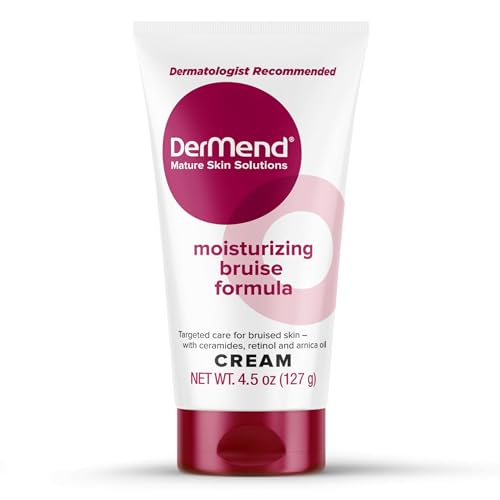
For mature or thin skin, this 4.5-ounce cream pairs arnica oil and retinol with multiple ceramides and more than 20 skin-conditioning ingredients. The maker says the formula moisturizes and improves the appearance of bruised skin, with arms, legs and hands as intended application areas. That combination makes it a fit for someone prioritizing skin conditioning alongside bruise appearance. The formula includes retinol, so people who are sensitive to retinol or already use retinoid skincare may prefer a simpler option and should check compatibility with a clinician or pharmacist.
Bottom line: Choose this if moisturizing mature or thin skin is as important as bruise appearance.
Boiron Arnicare Bruise Cream

For people seeking a non-scented cream, this 1.4-ounce formula uses arnica and shea butter and is made without fragrances, parabens or dyes. The maker says it helps with minor pain, swelling from injuries and bruise discoloration; treat those as product claims, not a substitute for medical care. The smaller tube may suit occasional or targeted application better than a larger daily moisturizer. Its purpose includes discomfort as well as appearance, but anyone with significant pain, worsening swelling or an injury that needs assessment should seek medical advice rather than relying on a cream.
Bottom line: Choose this if a non-scented formula without dyes is your priority.
SKINTENSIVE Arnica Bruise Cream

For a daily routine, this 4-ounce cream combines arnica with vitamins K, C and E in a coconut-oil-based formula. The maker describes it as non-greasy and fast-absorbing and recommends applying it two to three times daily. Its focus is conditioning thin, delicate skin and the appearance of bruises and discoloration on areas such as hands, arms and legs. That routine may not suit someone who wants occasional use or prefers a gel; check how often you plan to apply a product before choosing a formula designed for repeated daily use.
Bottom line: Choose this if you want a non-greasy cream for repeated daily application.
RTEWXLP Arnica Bruise Cream

For a thin or sensitive-skin routine, this 4.2-ounce cream combines arnica with vitamins K, C and E. The maker says it absorbs quickly without a sticky or greasy feel and is intended to moisturize skin while supporting the appearance of discoloration. Its feature set is close to other vitamin-and-arnica creams here, so texture and the sensitive-skin focus are the useful distinctions. The maker also claims fast-acting relief for bruising and swelling; those claims should not determine care for an injury with severe pain, rapidly increasing swelling or other concerning symptoms.
Bottom line: Choose this if a quick-absorbing texture and sensitive-skin focus matter most.
VitaMedica Arnica Gel

Unlike the creams, this 3-ounce product is a clear arnica gel with 15 plant-based ingredients. The maker describes it as fragrance-free and non-greasy and says it temporarily relieves pain, bruising and swelling; it also positions the gel for bruise appearance and discomfort after overexertion or minor injuries. The gel format may suit someone who prefers a lighter-feeling topical product over a moisturizing cream. Its broader claims around irritation and aches do not make it a treatment for serious injury, and people with irritated or broken skin should ask a clinician before applying a topical product.
Bottom line: Choose this if you prefer a clear gel over a moisturizing cream.
How to choose a cream for bruising skin
Choose based on the skin concern and texture you want, not on a promise that a topical product will prevent bruises. Creams with moisturizers may fit dry or mature skin, while a gel can feel lighter; ingredient lists also differ, including retinol in DerMend Moisturizing Bruise Cream and vitamins K, C and E in SKINTENSIVE Arnica Bruise Cream and RTEWXLP Arnica Bruise Cream. If you use prescription skin treatments or have reactive skin, ask a clinician or pharmacist about ingredient compatibility before starting a new product. For a new bruise, a wrapped cold pack applied for 10 to 20 minutes at a time during the first day can help limit discomfort and swelling; do not put ice directly on skin. Seek medical advice for unexplained, recurring or unusually large bruises, especially if you take blood-thinning medication.
What bruise creams can and cannot do
Topical bruise products are applied to the skin, but their benefits vary by formula and should not be treated as proof that a bruise will resolve faster. Some products are positioned around moisturizing thin skin or improving the appearance of discoloration; others claim temporary relief of minor pain or swelling. A cream cannot identify why bruising is happening, and frequent bruises without a clear bump warrant medical evaluation. Avoid massaging a fresh, painful bruise, which can aggravate tender tissue. For a bruise with severe pain, numbness, rapid swelling or trouble moving the affected area, get prompt medical care rather than depending on a topical product.
Choosing between cream and gel textures
Creams and gels differ mainly in feel and intended routine, so match the texture to how you plan to apply the product. A moisturizing cream may suit someone who also wants conditioning for dry or thin skin; a clear gel may appeal to someone who dislikes a heavier cream. Apply any topical only to intact skin unless its packaging expressly says otherwise, and stop if burning, rash or worsening irritation develops. Do not put bruise creams near the eyes, inside the mouth or on open cuts. For a larger bruise, spreading product over a broad area is not a reason to exceed the package directions; ask a pharmacist if you are unsure whether it is appropriate with another topical medicine.
When bruising needs medical attention
Bruising after a minor bump is common, but unexplained or repeated bruising deserves a clinician’s assessment rather than a change in cream. Arrange medical advice for bruises that appear without a known cause, keep recurring, grow quickly, or occur alongside nosebleeds or gum bleeding. Get urgent care for a head injury with confusion, vomiting, severe headache or loss of consciousness, and for a painful bruise with significant swelling or impaired movement. People taking blood thinners or medicines that affect clotting should contact their prescriber about new or worsening bruising and should not stop prescribed treatment on their own. A topical product may address skin feel or appearance, but it does not resolve the underlying cause.
Frequently Asked Questions
How long should I apply ice to a fresh bruise?
Use a cold pack wrapped in cloth for 10 to 20 minutes at a time during the first day after a minor injury. Never place ice directly on skin, and seek care for severe pain or rapidly increasing swelling.
Can bruise cream be applied to broken skin?
Do not apply a topical bruise product to an open cut unless its packaging specifically permits it. Broken skin can react differently, so ask a clinician or pharmacist about a suitable option.
When should unexplained bruising be checked?
Contact a clinician when bruises recur without a clear cause, appear unusually large, or accompany other bleeding such as nosebleeds or gum bleeding. People taking blood thinners should also report new or worsening bruising to their prescriber.
Is a gel better than a cream for bruises?
Neither texture is universally better; creams may suit someone seeking a moisturizing feel, while gels can feel lighter. Choose by skin comfort and follow the product’s directions.
Can I massage a bruise while applying cream?
Avoid firm massage on a fresh or painful bruise because pressure can irritate tender tissue. Apply only as directed, and seek medical advice if pain, swelling or movement problems are significant.