
Women’s Sporto Winter Boots: Fit and Features Compared

Sporto Evalyn Snow Boots is the best starting point for women’s Sporto winter boots if you want lace-up adjustment, a cushioned insole, and a traction outsole. Choose Sporto Andie Boots instead for side zippers and water-resistant construction; the other options are non-Sporto alternatives with different weather features.
We earn a commission if you buy through links on this page. As an Amazon Associate I earn from qualifying purchases. Products are compared on manufacturer specifications, not hands-on testing.
- Best overall: Sporto Evalyn Snow Boots – Lace-up D-ring eyelets, a cushioned insole, and a traction outsole suit everyday winter wear.
- Best for easy entry: Sporto Andie Boots – Side zippers and adjustable laces give two ways to manage the fit.
- Best for wet weather: HOBIBEAR Waterproof Mid-Calf Boots – Seam-sealed waterproof construction is its key distinction.
| Product | Best for | Closure | Weather protection | Shop |
|---|---|---|---|---|
| Sporto Evalyn Snow Boots | Lace-up adjustment | Lace-up with D-rings | — | Check Price on Amazon |
| Sporto Andie Boots | Zipper entry | Side zipper and laces | Water-resistant | Check Price on Amazon |
| HOBIBEAR Waterproof Mid-Calf Boots | Waterproof coverage | Pull-on with adjustable lacing | Waterproof | Check Price on Amazon |
| Cliffs by White Mountain Duena Boot | Fleece fold-down | — | — | Check Price on Amazon |
Women’s Sporto Winter Boots and Alternatives
Compare the closure and weather protection first, then decide which features fit your winter routine.
Sporto Evalyn Snow Boots

Sporto Evalyn Snow Boots stands out for its lace-up design with metal D-ring eyelets, which lets you adjust the fit across the upper. The boot has a faux-leather upper, faux-shearling collar trim, soft lining, cushioned insole, and back pull tab. Sporto describes its outsole as durable with traction for varied terrain. The available color and size are stone and 7. This is the most suitable choice here if you want an adjustable lace-up Sporto boot for cold-weather outings. Its feature set does not identify waterproof construction, so buyers expecting protection from sustained rain or slush should consider that distinction.
Bottom line: Choose it for an adjustable lace-up fit and cushioned insole.
Sporto Andie Boots

Sporto Andie Boots is the Sporto option with side zippers, making it distinct from the lace-up-only Evalyn. Adjustable laces provide a customized fit, while the cushioned insole and padded collar are intended for comfort. Sporto describes the boot as water-resistant for wet and cold conditions. The color and size are ivory and 7. Consider this pair if quick entry matters and you want some protection against wet conditions. Water-resistant does not mean waterproof, so it is a less suitable choice when you expect prolonged exposure to deep slush or standing water.
Bottom line: Pick it for zipper access and water-resistant construction.
HOBIBEAR Waterproof Mid-Calf Boots
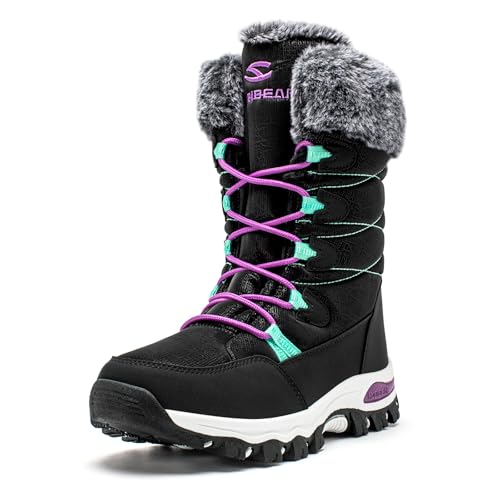
HOBIBEAR Waterproof Mid-Calf Boots differs from the Sporto choices with mid-calf coverage and seam-sealed waterproof construction. Its feature set also includes a faux-fur collar, insulation, moisture-wicking fleece lining, cushioned footbed, and traction-enhanced outsole; the toe and heels are reinforced with leather. The pull-on design has an adjustable lacing system. The available color and size are black/purple and 8. This is a relevant alternative if waterproofing is more important than choosing the Sporto brand. It is not a Sporto boot, and its size differs from the two Sporto pairs, so compare sizing carefully before choosing.
Bottom line: Choose it if waterproof construction matters more than the Sporto name.
Cliffs by White Mountain Duena Boot

Cliffs by White Mountain Duena Boot is a fashion hiker bootie rather than a Sporto boot, with a fleece fold-down lining and sweater ankle trim setting it apart from the other choices. It also has a cushioned insole and a lightweight design. The available color and size are winter white/burn/fabric/fleece and 9 M. Consider this alternative if you want a hiker-inspired ankle bootie with a fold-down lining detail. The size is also different from both Sporto options.
Bottom line: Pick it for an ankle bootie with a fold-down fleece lining.
How to Choose Women’s Sporto Winter Boots
Start with the weather exposure and closure you need: water-resistant construction can handle light moisture, while waterproof construction is designed to keep water out more fully. Among these choices, Sporto Andie Boots is identified as water-resistant; HOBIBEAR Waterproof Mid-Calf Boots has seam-sealed waterproof construction. A lace-up boot lets you adjust tension over the foot and ankle, while a side zipper makes entry faster but does not replace lacing adjustment. For routine cold-weather walking, prioritize a secure heel, enough room for winter socks, and a sole with tread. For slush or steady rain, favor explicit waterproof wording over a general winter label. No tread pattern guarantees grip on ice, so use caution on slick surfaces.
How Winter Boot Fit Changes With Socks
Try winter boots with the socks you plan to wear, because thicker socks take up space and can make a snug toe box uncomfortable. Aim for about a half inch of space beyond the longest toe while standing, with the heel held securely rather than slipping freely. Lacing can fine-tune pressure across the instep, but it cannot correct a boot that is too short or too narrow. Compare the sizes as starting points rather than assuming that different brands fit identically. If you are between sizes, check the maker’s sizing guidance and return terms before purchase. A boot that feels roomy in thin socks may feel restrictive after adding insulation or a thick wool blend.
Waterproof and Water-Resistant Winter Boots
Waterproof and water-resistant describe different levels of wet-weather protection, so do not treat the terms as interchangeable. A seam-sealed membrane, as described for HOBIBEAR Waterproof Mid-Calf Boots, is intended to block water at seams as well as the boot material. Water-resistant construction, as described for Sporto Andie Boots, can shed some moisture but is not a promise of protection during long exposure or immersion. For deeper snow, also look at shaft height: mid-calf coverage can keep more snow from entering over the top than an ankle bootie. A boot’s lining can help with warmth and moisture comfort, but lining alone does not make the exterior waterproof. Avoid assuming a particular boot is safe for icy ground based on traction wording.
Winter Boot Care and Traction Limits
Let wet winter boots air-dry at room temperature; direct heat from a radiator or hair dryer can damage leather-like uppers, adhesives, or linings. Brush away dried mud and salt after each outing, then use a cleaner suitable for the upper material rather than soaking the boot. Waterproof membranes still need care, and damaged seams or worn outsoles can reduce protection and grip. Check tread before winter use: shallow or smooth areas provide less bite than intact, pronounced lugs. Even boots marketed with traction-enhanced outsoles cannot ensure footing on black ice, which often has little visible texture. Short steps and a handrail are safer than relying on footwear alone on icy paths.
Frequently Asked Questions
Are water-resistant boots suitable for deep slush?
Water-resistant boots are better suited to light moisture than prolonged slush exposure. Choose a boot explicitly described as waterproof for wet snow, and remember that water can still enter over the top of a low shaft.
How much room should winter boots have at the toe?
About a half inch beyond the longest toe is a useful fit target while standing. Try the boots with the socks you will wear, since thick winter socks reduce the available space.
Do traction outsoles prevent slipping on ice?
No outsole can guarantee grip on ice, including one described as traction-enhanced. Look for intact tread and walk cautiously, since smooth black ice may defeat ordinary boot lugs.
How should I dry wet winter boots?
Air-dry wet boots at room temperature rather than placing them against direct heat. Remove loose dirt and salt after they dry, using a cleaner appropriate for the upper material.