
Best 6lb Test Fishing Line: 3 Mono Options Compared

Berkley Trilene XL 6lb, 330 yd suits most anglers seeking 6lb test fishing line because its 330-yard spool offers more line than the 100-yard option. Choose another line if you need a clear color or prefer a small-reel formula.
Monofilament is a single-strand nylon line that stretches under load; spool capacity, visibility and handling claims help narrow the choice.
We earn a commission if you buy through links on this page. As an Amazon Associate I earn from qualifying purchases. Products are compared on manufacturer specifications, not hands-on testing.
- Best overall: Berkley Trilene XL 6lb, 330 yd – Its 330-yard spool is longer than the 100-yard spool offered by another option.
- Best for visibility: Stren Original Mono 6lb – Its clear/blue fluorescent color is described as easy to see and track.
- Best for small reels: Lew’s Mr. Crappie Mono 6lb – It is designed specifically for small reel usage.
| Product | Best for | Spool length | Color | Notable feature | Shop |
|---|---|---|---|---|---|
| Berkley Trilene XL 6lb, 330 yd | Longer spool | 330 yd | Fluorescent clear/blue | Twist and kink resistance | Check Price on Amazon |
| Stren Original Mono 6lb | Visible line | 100 yd | Clear/blue fluorescent | Low memory | Check Price on Amazon |
| Lew’s Mr. Crappie Mono 6lb | Small reels | — | Clear | Abrasion resistant | Check Price on Amazon |
6lb Test Fishing Line Compared
Compare spool length, line visibility and the handling traits each mono emphasizes.
Berkley Trilene XL 6lb, 330 yd
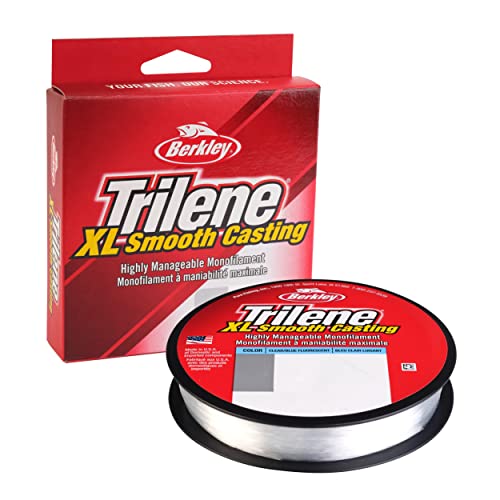
Berkley Trilene XL 6lb, 330 yd stands apart with a 330-yard spool, making it the longest measured option here. This 6lb monofilament is intended for freshwater, and the maker says its fluorescent clear/blue color disguises the line underwater. The maker also highlights resistance to twists and kinks and optimal wet strength. The longer spool may suit anglers who want more line on hand, but the color choice matters: anglers seeking an uncolored clear line should consider a different option.
Bottom line: Pick this if a 330-yard spool and fluorescent clear/blue line fit your freshwater setup.
Stren Original Mono 6lb
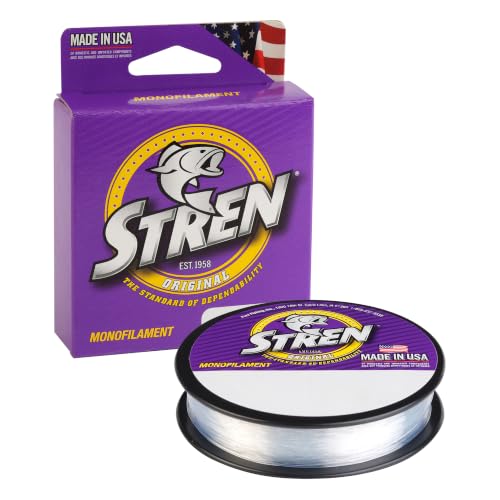
Stren Original Mono 6lb is the short-spool choice at 100 yards, with clear/blue fluorescent color that the maker says is easy to see and track in water. The maker also emphasizes low memory for handling and casting, alongside knot and tensile strength. Those visibility and handling priorities distinguish it from the longer spool and the small-reel-focused formula. Its main limitation is the 100-yard length, which gives less line than Berkley Trilene XL 6lb, 330 yd; choose it when visibility matters more than having a longer spool.
Bottom line: Choose this when visible line and low-memory handling outweigh spool length.
Lew’s Mr. Crappie Mono 6lb
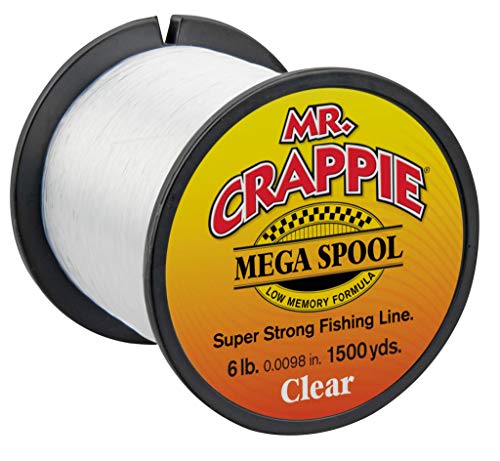
Lew’s Mr. Crappie Mono 6lb is the option explicitly designed for small reel usage, unlike the general freshwater positioning of the other two. Its 6-pound-test monofilament is clear and uses an abrasion-resistant formula; the maker also says low memory increases casting distance. That combination makes it a fit for anglers prioritizing small-reel use and abrasion resistance.
Bottom line: Pick this for a small reel when abrasion resistance is a priority.
How to choose 6lb test fishing line
Choose 6lb mono by matching visibility, spool quantity and reel use to your fishing. Six-pound test means a nominal breaking strength of 6 pounds; knots, abrasion and sudden shock can lower the strength of a finished rig, so avoid treating the number as a safe load rating. Monofilament stretches more than braid, which can cushion sudden pulls but soften bite transmission. Use fluorescent color when tracking line helps your presentation; choose clear line when a less visible option is more important. If you expect to spool more than 100 yards, select a measured longer spool rather than assuming every package contains the same length.
Spool length and reel capacity
Match line length to the reel’s capacity printed for the line diameter you plan to use; capacity changes with both spool size and line thickness. The available measured lengths here are 100 and 330 yards, while one option is not given a yard figure. A 330-yard spool provides 230 more yards than a 100-yard spool, but it does not mean every reel should be filled with all of it. Overfilling can cause line to spill off and tangle; underfilling reduces casting distance. Fill to the reel maker’s recommended level, typically leaving a small gap below the spool lip, around 1/8 inch.
Mono line traits that affect fishing
Monofilament is a single nylon strand, and its stretch can help absorb abrupt pulls compared with low-stretch braided line. Line memory is the tendency to retain coils from the spool; high memory can encourage loops, while reel size, spool fill and line age also affect tangles. Abrasion resistance matters around rocks, docks and brush, but no line is immune to cuts, so inspect the section near the lure after contact. Fluorescent line can be easier for an angler to track, whereas clear line may be preferable when visibility to fish is a concern. Choose the trait that addresses your actual fishing conditions.
Handling and replacing fishing line
Check the first several feet of mono for nicks, flat spots or roughness before tying on a lure, and cut away damaged line rather than relying on the original test rating. Fresh knots should be moistened and tightened evenly to reduce heat and friction; trim the tag end without cutting into the knot. Replace line when it repeatedly coils, looks cloudy or shows abrasion, and do not assume a calendar interval alone determines condition. Keep spare mono away from prolonged sunlight and heat, which can age nylon. For fish around cover, use a more conservative drag setting and avoid pulling a fish by hand against a taut line.
Frequently Asked Questions
What does 6lb test mean on fishing line?
A 6lb test rating indicates a nominal breaking strength of 6 pounds for the line. Knots, wear and sudden shock can reduce the strength of a complete setup.
Is 6lb mono suitable for freshwater fishing?
Six-pound mono can suit light freshwater presentations when target size and cover are modest. Rocks, heavy vegetation or larger fish call for a stronger setup or more careful drag use.
How much line should I put on a spinning reel?
Use the reel’s capacity marking for the line diameter, and stop about 1/8 inch below the spool lip. Too much line can spill into loops, while too little can reduce casting distance.
How often should monofilament fishing line be replaced?
Replace mono when it shows nicks, cloudy sections, persistent coils or weakened knots rather than relying on a fixed calendar interval. Sunlight, heat, abrasion and use all affect its condition.
Does fluorescent fishing line scare fish?
Fluorescent line is easier for an angler to track, but visibility to fish depends on water clarity, light and viewing angle. In clear water or cautious presentations, a clear line can be the more conservative choice.