
Winter Hats for Older Women: 3 Styles Compared

FURTALK Pom-Pom Knit Beanie is the most versatile choice for many people because its stretchy fit covers a 21.26-to-23.62-inch head circumference and its pom is removable. Choose Faux-Fur Bucket Hat instead for plush, wide-brim coverage or YSense Two-Pack Visor Beanies if you prefer a visor and want two hats.
Winter hats cover the head and help reduce heat loss in cold weather, but fit and coverage matter: a snug hat is less likely to shift, while a broad brim can restrict peripheral vision.
We earn a commission if you buy through links on this page. As an Amazon Associate I earn from qualifying purchases. Products are compared on manufacturer specifications, not hands-on testing.
- Best overall: FURTALK Pom-Pom Knit Beanie – Stretchy 21.26-to-23.62-inch fit and a removable pom suit varied styling preferences.
- Best for plush coverage: Faux-Fur Bucket Hat – The faux-fur bucket style has an adjustable drawstring for a 22.2-to-23.2-inch fit.
- Best for a visor: YSense Two-Pack Visor Beanies – The two-pack has a brim and a 21.7-to-25.6-inch stretch fit.
| Product | Best for | Style | Head circumference | Pack count | Shop |
|---|---|---|---|---|---|
| FURTALK Pom-Pom Knit Beanie | Flexible styling | Knit beanie | 21.26–23.62 in | 1 | Check Price on Amazon |
| Faux-Fur Bucket Hat | Plush brim coverage | Faux-fur bucket | 22.2–23.2 in | 1 | Check Price on Amazon |
| YSense Two-Pack Visor Beanies | Brim and extras | Visor beanie | 21.7–25.6 in | 2 | Check Price on Amazon |
Winter Hats for Older Women
Compare each style by its fit range, brim coverage, and details that affect how you wear it.
FURTALK Pom-Pom Knit Beanie
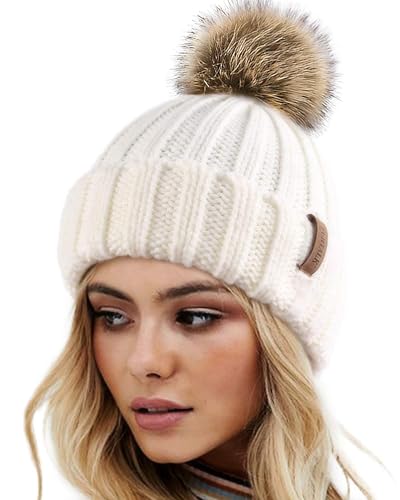
Compared with the brimmed styles, this knit beanie has a more compact shape and a removable faux-fur pom. It is made from 100% acrylic and stretches to fit head circumferences from 21.26 to 23.62 inches. The pom snaps on or off, so the hat can be worn with a simpler silhouette. The brand describes the knit as warm and suitable for winter; no insulation rating is provided in the specifications. This style is a good match for someone who wants a close-fitting cap, but it offers no visor or wide brim.
Bottom line: Choose this if you want a stretchy knit cap with a pom you can remove.
Faux-Fur Bucket Hat
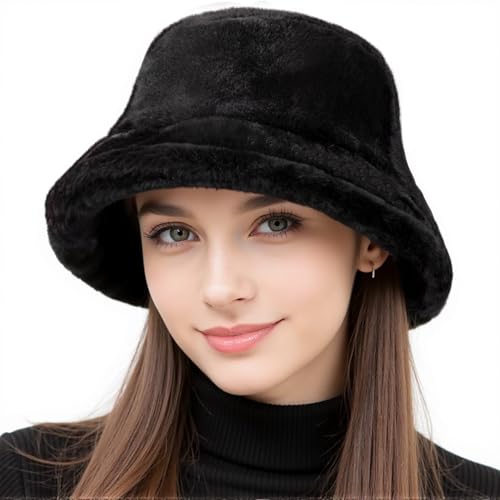
Unlike the knit caps, this faux-fur bucket hat has a wide brim and an adjustable inner drawstring. Its fit range is 22.2 to 23.2 inches, and the maker recommends measuring before ordering. The specifications describe its faux-fur as cruelty-free and say the brim may slightly block vision. That trade-off matters for anyone who needs an unobstructed view while walking; a narrower hat is a better choice in that case. The drawstring may help adjust the fit, but it does not make the size range unlimited.
Bottom line: Choose this for a plush bucket hat look if its brim will not obstruct your view.
YSense Two-Pack Visor Beanies

This is the only two-pack here, and its knit caps add a visor where the other styles do not. Each is made from acrylic, lined with velvet, and described by the maker as soft and cozy. The head-circumference range is 21.7 to 25.6 inches, with stretch in the knit. A visor can shade the eyes and provide a little wind coverage, though it is not a substitute for eye protection in bright snow or for a hood in severe weather.
Bottom line: Choose this set if you prefer visor coverage and want two knit caps.
How to choose a winter hat by fit
Measure around the widest part of the head, just above the ears and across the forehead, before choosing a size. Adult hats commonly fit roughly 21 to 23 inches, but stretch knits and adjustable bands can cover a wider range; compare your measurement with the range rather than relying on a one-size label. A hat that slips over the ears or rotates when you turn your head is too loose, while a hat that leaves pressure marks or feels painful is too tight. If your measurement is near a range boundary, favor a stretch or adjustment feature. Account for any hairstyle or scarf you expect to wear underneath, because extra bulk changes how a hat sits.
Brimmed hats and knit beanies compared
Choose a brim when you want extra coverage around the face; choose a beanie when you want a simpler, closer-fitting shape. A short visor shades from above but does not shield the cheeks or ears, while a wide bucket brim can interfere with peripheral vision. This table matches common needs to the style that addresses them.
| Need | Style to consider | Trade-off |
|---|---|---|
| Compact fit | Knit beanie | Less face coverage |
| Shade from above | Visor beanie | Limited side coverage |
| Wide brim coverage | Bucket hat | May restrict side vision |
Warmth, wind, and cold-weather coverage
Coverage and construction affect comfort as much as a hat’s appearance: a close-fitting knit covers the scalp, while a brim changes how much of the face is shaded. Wind can make exposed ears uncomfortable, so check that the hat reaches them or pair it with a hood or ear covering. Acrylic and faux-fur are different materials, but material names alone do not establish a warmth rating. For extended time outdoors in freezing weather, prioritize secure ear coverage and a wind-resistant outer layer; none of these specifications provides a temperature rating or wind-resistance rating. Avoid relying on a visor as full protection in blowing snow.
Fit and visibility mistakes to avoid
Measure your head instead of assuming that one size fits everyone: these three styles give different circumference ranges, and a hat that is too tight can press uncomfortably while a loose hat may shift. For a brimmed style, check that the edge does not block your view when you look ahead or to either side; this is especially important near traffic, stairs, or uneven ground. Try the hat with the hairstyle and scarf you normally wear in winter, since both can affect fit. If the hat is intended for outdoor walking, keep your ears covered and use separate eye protection when glare from snow is a concern.
Frequently Asked Questions
How should a winter hat fit around the ears?
A winter hat should sit securely and cover the ears without pressure or pain. If it shifts when you turn your head or leaves the ears exposed, choose a closer fit or add a hood or ear covering.
How do I measure my head for a winter hat?
Wrap a flexible tape around the widest part of your head, just above the ears and across the forehead. Compare that measurement in inches with the hat’s fit range, especially if it has little stretch or no adjustment.
Can a wide-brim hat affect peripheral vision?
Yes, a wide brim can obstruct side vision, particularly if it sits low or shifts forward. Check your view straight ahead and to both sides before wearing it near traffic or on uneven paths.
Are knit hats warm enough for freezing weather?
In freezing or windy conditions, make sure the ears are covered and add a hood or wind-resistant outer layer when needed.
Should I wash a faux-fur winter hat at home?
Check the care label before washing, because faux-fur fibers can mat or change texture with heat and agitation. Avoid assuming that machine drying is safe unless the label explicitly allows it.