
RoC Eye Balm: Compare Formulas and Under-Eye Uses

For a RoC eye balm, RoC Multi Correxion Revive & Glow Eye Balm is the closest match because it is a cooling, hydrating balm with vitamin C; shoppers seeking retinol or a cream format should consider the alternatives instead.
Eye balms are solid or semi-solid products applied to the skin around the eyes, while creams are softer formulas; neither should be put in the eye itself.
We earn a commission if you buy through links on this page. As an Amazon Associate I earn from qualifying purchases. Products are compared on manufacturer specifications, not hands-on testing.
- Best overall: RoC Multi Correxion Revive & Glow Eye Balm – A cooling, hydrating balm featuring vitamin C is the direct match for this search.
- Best for dark circles: RoC Derm Correxion Retinol Eye Repair – The retinol eye product features ingredients aimed at several tones of under-eye discoloration.
- Best for retinol routine: RoC Retinol Correxion Eye Cream Mini – The mini cream combines retinol with a mineral complex and glycerin.
| Product | Best for | Format | Featured ingredients | Primary focus | Shop |
|---|---|---|---|---|---|
| RoC Multi Correxion Revive & Glow Eye Balm | Cooling balm format | Balm | Vitamin C | Hydration | Check Price on Amazon |
| RoC Derm Correxion Retinol Eye Repair | Discoloration focus | Precision-tip cream | Retinol, niacinamide, resveratrol | Dark circles | Check Price on Amazon |
| RoC Retinol Correxion Eye Cream Mini | Mini retinol cream | Cream | Retinol, mineral complex, glycerin | Wrinkles, puffiness | Check Price on Amazon |
| RoC Multi Correxion Even Tone + Lift | Brightening cream | Cream | Glycerin, antioxidants | Tone, puffiness | Check Price on Amazon |
RoC Eye Balm and Related Eye Care
Compare the balm with RoC creams by formula, featured ingredients and the concern each is designed to address.
RoC Multi Correxion Revive & Glow Eye Balm

RoC Multi Correxion Revive & Glow Eye Balm is the direct balm-format match, pairing a cooling application with vitamin C and a hydrating purpose. The product is dermatologist and ophthalmologist tested, and the maker describes it as clinically proven without giving a specific outcome in the claim. The balm suits shoppers who prefer a solid or semi-solid eye product rather than a cream.
Bottom line: Choose this if a cooling, vitamin C eye balm is the priority.
RoC Derm Correxion Retinol Eye Repair

RoC Derm Correxion Retinol Eye Repair stands apart with a cooling precision tip and a multi-ingredient approach to under-eye discoloration rather than a balm format. Its featured ingredients include retinol, niacinamide and resveratrol, plus Proxygen; the maker says the formula targets different color tones and reports that 3 out of 4 volunteers saw reduced signs of fatigue after one week. This option suits someone focused on the appearance of dark circles. Retinol can irritate sensitive skin, so introduce it cautiously and avoid applying it inside the eye.
Bottom line: Pick this for a cream aimed at the appearance of dark circles.
RoC Retinol Correxion Eye Cream Mini

RoC Retinol Correxion Eye Cream Mini is the smaller retinol cream option, with a mineral complex and glycerin alongside pure RoC retinol. The maker says the formula is hypoallergenic, dermatologist tested and designed for daily use, and claims visible brightening and depuffing in four weeks plus a 50 percent reduction in fine-line appearance in 12 weeks. It is suited to shoppers who want a cream framed around wrinkles, puffiness and dark circles rather than a balm. Retinol may cause irritation, so begin with a small amount and stop if irritation develops.
Bottom line: Choose this if you prefer a mini cream with retinol and glycerin.
RoC Multi Correxion Even Tone + Lift
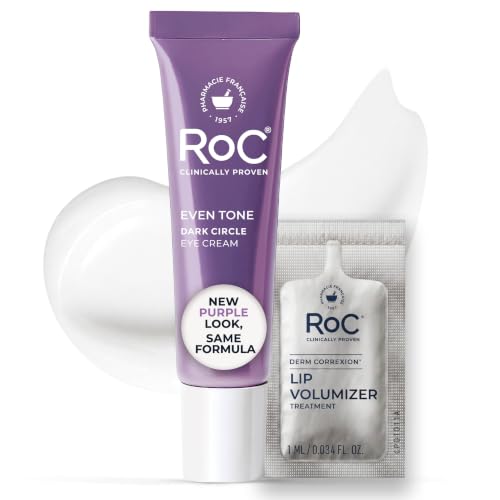
RoC Multi Correxion Even Tone + Lift differs from the balm by using a cream format positioned around even tone and lift. Its featured ingredients include glycerin and antioxidants; the maker says the noncomedogenic, dermatologist-tested formula is clinically proven to visibly reduce fine lines and wrinkles and diminish the look of puffiness in four weeks. The product also identifies ophthalmologist testing. This is a fit for someone seeking a brightening moisturizer rather than a cooling stick-style balm. The product claim does not identify a specific antioxidant, so shoppers prioritizing a particular active should compare the package ingredient list.
Bottom line: Pick this if a brightening cream matters more than balm texture.
How to choose an eye balm or cream
Choose by format and the concern you want to address: balm prioritizes a firmer, glide-on feel, while cream is easier to spread in a thin layer. Eye products are cosmetic skin care, not a substitute for treatment of persistent swelling, rash or eye irritation. Start with one new active product at a time, especially when a formula contains retinol, so you can identify a reaction. For sensitive skin, test a small amount on a discreet area before applying near the eyes. If a product stings, causes persistent redness or gets into the eye, discontinue use and rinse the eye with clean water.
Packaging also affects application. A precision tip can direct product placement, while a stick format limits direct finger contact; neither makes the product safe to apply on the eyelid margin or inside the eye.
How to use retinol eye products cautiously
Retinol can cause dryness, redness or peeling, particularly when use starts too frequently or the product is applied close to the eyes. Begin with a small amount on alternate nights, then increase only if the skin tolerates it; avoid combining a new retinol eye product with other strong exfoliating products in the same area. Keep it on the orbital skin rather than the lash line, and wash hands after application.
Retinoids are generally avoided during pregnancy as a precaution; ask a healthcare professional before using a retinol product if pregnant or trying to conceive. Daytime sun protection matters because irritation and sun exposure can make skin less comfortable. Stop use if significant irritation develops.
What eye balm claims can and cannot tell you
Cosmetic claims such as “brightening,” “depuffing” and “hydrating” describe appearance goals, not guaranteed results or medical treatment. A clinical result depends on the formula and how the outcome was measured; a volunteer self-assessment is not the same as a diagnosis or a promise for every user. Check which concern the product specifically names, and distinguish immediate cooling sensations from changes that take repeated use.
For puffy eyes, sleep, allergies and fluid retention can also affect appearance, so a topical cosmetic may not address the underlying cause. Sudden swelling, pain, vision changes or a one-sided change warrants medical attention rather than another eye cream.
How to apply eye products without irritation
Use a small amount and keep application on the skin around the orbital bone, not the waterline or inside the eye. Friction can irritate delicate skin, so tap or glide gently without pulling; do not layer several new eye products at once. Apply fragrance or active products cautiously if the eye area is sensitive, and keep applicators clean to reduce contamination.
Eye creams and balms are not ophthalmic medicines, even when ophthalmologist tested. That testing does not mean a cosmetic can be used in the eye. If product enters the eye, rinse with clean water, and seek care for lingering pain or blurred vision.
Frequently Asked Questions
Can an eye balm replace eye cream?
Yes, if the balm suits your preferred texture and routine; both are cosmetic moisturizers for skin around the eyes. Choose based on formula and tolerance, not the product name alone.
Can retinol eye cream cause irritation?
Yes, retinol can cause dryness, redness or peeling, especially when introduced too often. Start with a small amount on alternate nights and stop if irritation persists.
Where should eye balm be applied?
Apply a small amount to the skin around the orbital bone, not inside the eye or along the waterline. Gentle tapping helps limit friction on delicate skin.
Should retinol eye cream be used during pregnancy?
Retinoids are generally avoided during pregnancy as a precaution. Ask a healthcare professional before using a retinol eye product if pregnant or trying to conceive.
What should I do if eye cream gets in my eye?
Rinse the eye with clean water if a cosmetic gets in it. Seek medical care if pain, redness or blurred vision persists.