
Best Bee Venom Cream for Face: 5 Options Compared

Bee Venom Maximum Strength Cream, 5 oz is the best fit for most face-care shoppers because its 5-ounce jar is specifically described for face and neck use. Choose another option if you prefer a smaller jar or a formula featuring beef tallow and shea butter.
Bee venom creams are moisturizers marketed with bee venom as a skin-conditioning ingredient; they are not a substitute for sunscreen or medical treatment.
We earn a commission if you buy through links on this page. As an Amazon Associate I earn from qualifying purchases. Products are compared on manufacturer specifications, not hands-on testing.
- Best overall: Bee Venom Maximum Strength Cream, 5 oz – The 5-ounce jar is specifically described for face and neck use.
- Best for richer moisture: Umoria Bee Venom Cream, 2.12 oz – Its formula pairs bee venom with beef tallow and shea butter.
- Best for a two-jar set: WFWJ Bee Venom Restoration Cream, 2-Pack – The product specifies two 2.12-ounce jars.
| Product | Best for | Container size | Face or neck use | Additional ingredients | Shop |
|---|---|---|---|---|---|
| Bee Venom Maximum Strength Cream, 5 oz | Face and neck | 5 oz | Face and neck | Manuka honey, hyaluronic acid, aloe | Check Price on Amazon |
| WFWJ Bee Venom Restoration Cream, 2-Pack | Two-jar supply | 2 jars, 2.12 oz each | Face use in name | Vitamin K12, hyaluronic acid | Check Price on Amazon |
| Umoria Bee Venom Cream, 2.12 oz | Rich-feeling moisture | 2.12 oz | Face and neck | Beef tallow, shea butter | Check Price on Amazon |
| Bee Venom Skin Cream, 2-Piece Set | Simple daily routine | 2-piece set; 2.12 fl oz stated | — | Vitamin K12, hyaluronic acid | Check Price on Amazon |
| Bee Venom Skin Treatment Cream, 2.12 oz | Day-and-night use | 2.12 oz | Face use in name | Manuka honey, plant essence | Check Price on Amazon |
Bee Venom Cream for Face
Compare the jar sizes and formula distinctions that matter when choosing a bee venom moisturizer for facial use.
Bee Venom Maximum Strength Cream, 5 oz
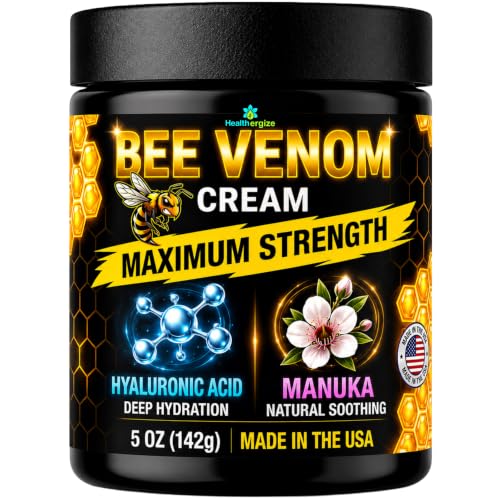
The 5-ounce container sets this cream apart for shoppers who want a larger jar expressly described for face and neck use. The maker recommends a pea-size amount on clean, dry skin morning and night, and says the cream is paraben free. Manuka honey, hyaluronic acid, and aloe are also named in the formula. The maker describes a brief warm tingle as part of use; that sensation is not a reason to ignore irritation or an allergic reaction. The product does not give a bee venom concentration, so shoppers comparing potency should not infer one from “maximum strength.”
Bottom line: Choose this if face-and-neck use and a 5-ounce jar suit your routine.
WFWJ Bee Venom Restoration Cream, 2-Pack

The WFWJ option is distinguished by its clearly specified two-jar set, with each jar containing 2.12 ounces. Its formula names bee venom, vitamin K12, and hyaluronic acid. The maker presents it as a deeply moisturizing cream intended to leave skin soft and supple, alongside claims about a smoother, firmer appearance. This may suit someone who wants two jars and prefers those named ingredients. The maker does not establish how much bee venom each jar contains, so it cannot support a potency comparison with other creams.
Bottom line: Pick this if you want two 2.12-ounce jars and a formula naming vitamin K12.
Umoria Bee Venom Cream, 2.12 oz
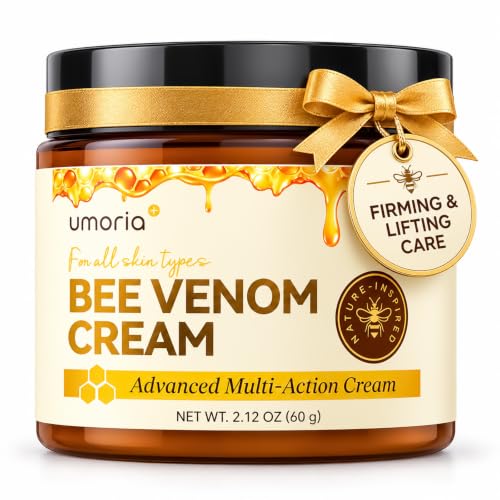
Umoria stands out for combining bee venom with beef tallow and shea butter rather than the vitamin K12 and hyaluronic acid named in some alternatives. The maker positions it as a face-and-neck moisturizer for dry or mature-looking skin and says it is intended to support a smoother, firmer-looking complexion. The 2.12-ounce size is smaller than the 5-ounce option. Its richer ingredient direction may appeal to shoppers seeking those emollients, but anyone avoiding animal-derived ingredients should note the beef tallow.
Bottom line: Choose this if you want beef tallow and shea butter in a face-and-neck cream.
Bee Venom Skin Cream, 2-Piece Set

This cream names vitamin K12 and hyaluronic acid alongside bee venom, and its directions call for applying an appropriate amount and massaging gently in circles until absorbed. The maker says the formula is intended to hydrate and improve the appearance of fine lines. It may suit someone looking for those named ingredients and a massage-in application. The package wording pairs a two-piece set with a 2.12-fluid-ounce pack-size figure, so confirm the amount per container before ordering if jar-by-jar quantity matters.
Bottom line: Consider this if the named ingredients and massage-in directions fit your routine.
Bee Venom Skin Treatment Cream, 2.12 oz
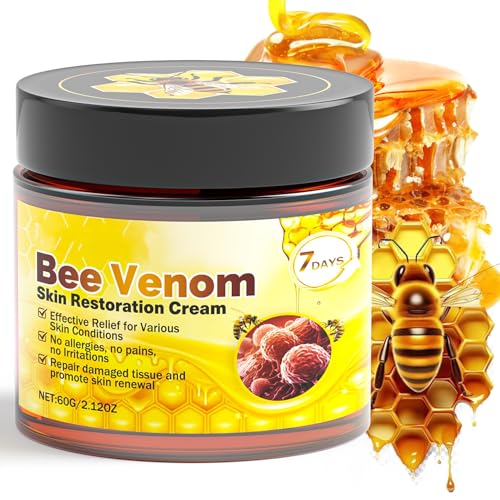
This 2.12-ounce cream distinguishes itself by naming Manuka honey and plant essence, and its name presents it for face use. The maker describes it for day-and-night use and claims a tightening and smoothing effect; those are marketing claims, not a guaranteed result. Shoppers who need to avoid specific allergens or irritants should verify the complete package ingredient list before applying it to facial skin.
Bottom line: Choose this if you want a face cream described for day-and-night use with Manuka honey.
How to choose bee venom cream for face
Start with your skin’s tolerance and the ingredients you actually want, not a “firming” or “maximum strength” phrase. Bee venom may cause an allergic reaction; avoid topical bee venom products if you have a known bee venom allergy. For a new facial product, test a small amount on a discreet patch of skin and wait 24 to 48 hours before broader use; stop if redness, swelling, hives, or breathing symptoms occur, and seek urgent care for breathing trouble. Compare named supporting ingredients next: hyaluronic acid is a humectant that binds water, while shea butter and tallow are emollient ingredients. A larger jar only matters if the formula suits your skin and the amount per container is clear.
How to patch test a face cream
Test a new cream on a small area before applying it across the face, especially when it contains bee venom or when you have reactive skin. Apply a small amount to an inconspicuous area such as the inner forearm, leave it in place, and watch for a reaction over 24 to 48 hours. A patch test cannot guarantee that facial use will be reaction-free, and it is not appropriate to test a product if you already know you are allergic to bee venom. Keep the cream away from eyes, lips, broken skin, and mucous membranes. If swelling, widespread hives, or breathing difficulty develops, stop exposure and seek urgent medical attention.
What the added moisturizer ingredients do
Hyaluronic acid is a humectant, which means it attracts and holds water in the outer skin; it does not replace a moisturizer’s emollient or occlusive components. Shea butter and tallow are emollient ingredients that can soften dry-feeling skin, though personal tolerance varies. Aloe, Manuka honey, and vitamin K12 are also named in some of these formulas, but ingredient names alone do not establish concentration or a clinical outcome. When comparing jars, read the complete ingredient label and consider fragrance, preservatives, and known personal allergens. If your routine includes a retinoid or exfoliating acid, introduce only one new product at a time so irritation is easier to identify.
Bee venom cream and everyday face care
A bee venom moisturizer is one optional step in a basic routine, not a replacement for sun protection. In the morning, use a broad-spectrum sunscreen labeled SPF 30 or higher as the final skincare step; reapply about every two hours outdoors and after swimming or sweating. At night, a gentle cleanser followed by a moisturizer is enough for many routines. Avoid layering a new cream onto inflamed or broken skin, and do not interpret a warming or tingling claim as proof of effectiveness. Patch-test first, then use a small amount according to the package directions. Persistent rash, swelling, or irritation warrants stopping the product and getting medical advice.
Frequently Asked Questions
Can bee venom cream cause an allergic reaction?
Yes, bee venom can trigger an allergic reaction, and someone with a known bee venom allergy should avoid these creams. Hives, facial swelling, or breathing difficulty require prompt medical attention; breathing trouble is an emergency.
How long should I patch test a face cream?
Apply a small amount to a discreet patch and monitor the area for 24 to 48 hours before broader facial use. A patch test cannot rule out every later reaction, so stop if irritation develops.
Does hyaluronic acid replace face moisturizer?
No, hyaluronic acid is a humectant that attracts water, while emollients help soften skin and other moisturizer ingredients can reduce water loss. A cream’s overall formula matters, not just the presence of hyaluronic acid.
Can bee venom cream replace daily sunscreen?
No, a moisturizer does not replace broad-spectrum sunscreen. Use SPF 30 or higher in the morning and reapply about every two hours while outdoors, or after swimming or sweating.
Should I apply bee venom cream around my eyes?
Avoid the eye area unless the package specifically says the product is suitable there. Facial skin near the eyes is sensitive, and accidental contact can cause irritation; rinse promptly if cream gets into the eyes.