
Floating Devices for Swimming: 5 Types Compared

For most adult pool users, Fstcrt Large Swim Belt is the most versatile choice because its buoyancy is aimed at water exercise, jogging, walking, and swim training. Choose a different type if you need open-water visibility, a child’s swim-learning aid, a rest float, or a kickboard for drills.
We earn a commission if you buy through links on this page. As an Amazon Associate I earn from qualifying purchases. Products are compared on manufacturer specifications, not hands-on testing.
- Best overall: Fstcrt Large Swim Belt – Its buoyancy belt is intended for pool exercise, water jogging or walking, and swim training.
- Best for open water: JOTO 2-Pack Open-Water Swim Buoys – The bright tow buoy is designed to increase a swimmer’s visibility in open water.
- Best for beginner kids: Kids Learning-to-Swim Back Float – The back float is described for beginner swimmers ages 3–12 and has a dual-lock buckle.
- Best for kick drills: Speedo Adult Swim Training Kickboard – The EVA-foam kickboard has textured surfaces and finger grooves for gripping.
| Product | Best for | Intended use | Material | Fit or format | Shop |
|---|---|---|---|---|---|
| JOTO 2-Pack Open-Water Swim Buoys | Open-water swimmers | Visibility and tow float | PVC | Adjustable waist belt | Check Price on Amazon |
| Fstcrt Large Swim Belt | Pool exercise | Water exercise and training | Diving fabric with EPE lining | Large belt | Check Price on Amazon |
| Kids Learning-to-Swim Back Float | Beginner children | Swim-learning support | — | Ages 3–12 | Check Price on Amazon |
| 2-Pack Inflatable Float Hammocks | Leisure floating | Resting and lounging | Raft-grade PVC | Two-pack | Check Price on Amazon |
| Speedo Adult Swim Training Kickboard | Kickboard drills | Swim training | Textured EVA foam | Adult, one size | Check Price on Amazon |
Floating Devices for Swimming
Match a float to the activity first; these devices serve different purposes and are not interchangeable safety equipment.
JOTO 2-Pack Open-Water Swim Buoys

For open-water swimming, these tow buoys prioritize visibility rather than pool exercise or lounging. The pair comes in bright neon yellow and orange, with inflatable PVC floats, an inflatable nozzle, and adjustable, removable waist belts. The maker says the buoy gently trails without adding extra drag and provides buoyancy. At 8 ounces each, they are lightweight to carry on a swim or paddle trip. This style suits swimmers who want a visible float in open water; it is not a substitute for a properly selected life jacket or direct supervision.
Bottom line: Choose this pair when open-water visibility and a trailing buoy are your priorities.
Fstcrt Large Swim Belt
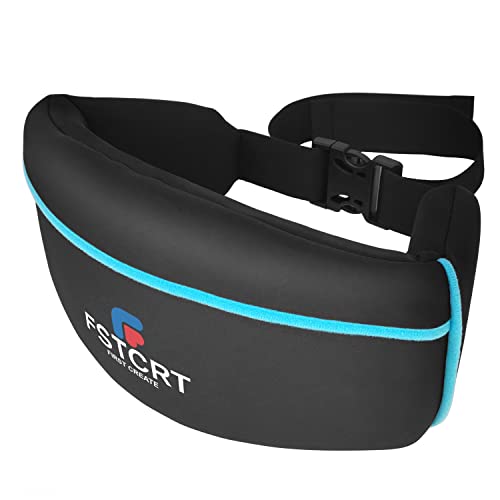
Unlike a tow buoy or kickboard, this belt is made to stay around the waist during pool movement. Its diving-fabric cover has removable EPE lining, a three-section design, and a hidden zipper pocket. The maker positions it for water aerobics, jogging or walking, cross-training, rehabilitation exercises, and swim training. That makes it a practical match for users who want hands-free buoyancy while moving in the water. The size is Large, so users outside that fit should confirm belt sizing before ordering.
Bottom line: Pick this belt for hands-free buoyancy during pool exercise or training.
Kids Learning-to-Swim Back Float

For a child learning to swim, this back float differs from the other options by using an adjustable waist belt and a dual-lock buckle. The maker says silicone grip strips and a clamp help keep the belt fit in place, and the buckle requires an adult’s two-handed press-and-squeeze action to open. It is aimed at beginner swimmers ages 3–12. A back float is a learning aid, not a life jacket: an adult should remain within arm’s reach of a child in or near water, even when the float is fastened securely.
Bottom line: Choose this for supervised swim practice with a beginner child in the age range.
2-Pack Inflatable Float Hammocks

These hammock-style floats are for relaxing on the water rather than providing training support or a wearable buoyancy aid. Each has an inflatable lounger format with head and foot rests; the maker describes the construction as thick raft-grade PVC with a soft matte finish. The set includes two floats, suiting adults who want a pair for casual pool or vacation use. The design is single-person capacity, so do not treat one hammock as seating for two or as equipment for swimming in open water.
Bottom line: Pick this set for casual, single-person floating and lounging.
Speedo Adult Swim Training Kickboard
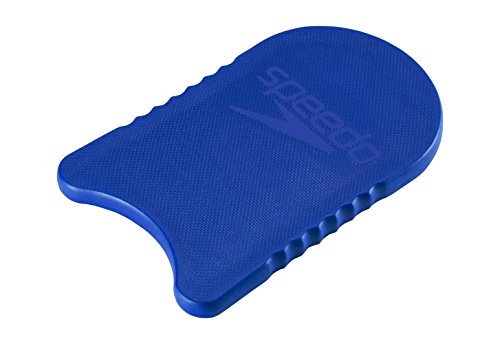
For pool drills, this board offers a firmer hand-held format instead of wearable or inflatable buoyancy. It is made of lightweight textured EVA foam, with side scallops intended to promote hand position and underside finger grooves for grip. Adult swimmers can use a kickboard to isolate leg movement during practice, but the board does not secure to the body and should not be relied on as a life-saving device. Its one-size adult format is less suitable than an adjustable belt for users who need hands-free support.
Bottom line: Choose this for adult pool practice focused on kicking and grip.
How to Choose a Floating Device for Swimming
Start with the setting and task: open-water swimmers may need visibility, pool exercisers often want hands-free buoyancy, and drill practice may call for a kickboard. A recreational float is not automatically a personal flotation device (PFD); in the United States, a PFD should be Coast Guard-approved and selected for the wearer and activity. For children, use an age- and weight-appropriate Coast Guard-approved life jacket when one is required, and keep an adult within arm’s reach in the water. A float belt or back float can support practice, but it cannot replace supervision. Choose a device that leaves the face clear of water and does not restrict breathing or movement.
Open-Water Buoys Versus Pool Floats
Open-water tow buoys serve visibility and should trail behind a swimmer; pool belts, kickboards, and leisure hammocks serve different tasks. Bright color can make a swimmer easier to spot, but visibility does not guarantee that boaters will see or avoid the swimmer. Stay within a supervised swimming area, check local rules, and avoid relying on a float as rescue gear. For a pool workout, a belt keeps hands free while a kickboard is held in front to reduce upper-body movement during kicking drills. A hammock is for resting, not directional swimming. Use the device that fits the activity instead of trying to make one float cover every situation.
| Activity | Float type | Important limit |
|---|---|---|
| Open-water visibility | Tow buoy | Not a life jacket |
| Pool movement | Swim belt | Fit must stay secure |
| Kick drills | Kickboard | Requires hand grip |
| Resting | Float hammock | Not swim training support |
How to Fit and Use a Swim Float
A swim belt should sit snugly enough not to slip during movement, while still allowing a full breath and comfortable trunk rotation. Before entering the water, fasten the closure and test the fit on land; stop if the belt rides up or loosens. For a tow buoy, adjust the belt so the float trails without pulling at the waist, and keep the leash clear of arms and legs. A kickboard needs a grip that does not strain the wrists; hold it lightly rather than locking the elbows. Children’s back floats require adult supervision at all times. Never use a float near drains, moving water, or boat traffic unless the area and device are appropriate for that risk.
Care and Common Float Mistakes
Rinse pool or saltwater floats with fresh water after use and let them dry fully before storage; trapped moisture can encourage mildew and shorten material life. Inspect seams, straps, buckles, valves, and foam for tears or deformation before each swim. Inflate an inflatable float only until its shape is firm, not drum-tight, because heat expands trapped air. Keep PVC floats away from sharp edges and prolonged direct sun when stored. A common mistake is assuming buoyancy means safety: toys, training aids, and leisure floats are not interchangeable with approved life jackets. Discard or stop using a float with a leaking valve, damaged strap, or buckle that will not remain closed.
Frequently Asked Questions
Can a swim buoy replace a life jacket?
No; a tow buoy is not a substitute for a Coast Guard-approved life jacket. For boating or other activities that require a PFD, wear an approved model that fits the user and activity.
How close should an adult stay to a child using a back float?
Stay within arm’s reach whenever a young child is in or near water. A back float is a swim-learning aid and does not remove the need for constant, attentive adult supervision.
Should a swim belt feel tight around the waist?
A swim belt should be secure enough not to slip, but loose enough for comfortable breathing and movement. Recheck the fit before entering the water and stop if the belt rides up.
How much should I inflate a pool float?
Inflate it until the chambers hold their shape and feel firm, not drum-tight. Warm air expands, so leaving some give reduces stress on seams and valves.
How should I store a swim float after use?
Rinse off chlorine or salt and dry the float completely before storing it. Keep inflatable PVC away from sharp objects and prolonged direct sunlight to reduce wear.