
Melipona Honey Eye Drops: 5 Products Compared

S&J Melipona Bee Honey Eye Drops is the only product here named as Melipona honey eye drops, so it is the closest match; the other options are honey products, not eye drops. Choose a honey product only if you want honey for another purpose, not as a substitute for a sterile ophthalmic product.
Eye drops must be sterile because they contact a sensitive surface, and food honey should not be put in the eye. Confirm the ingredient list and ophthalmic sterility before considering the named drops.
We earn a commission if you buy through links on this page. As an Amazon Associate I earn from qualifying purchases. Products are compared on manufacturer specifications, not hands-on testing.
- Best overall: S&J Melipona Bee Honey Eye Drops – It is the only product explicitly named as Melipona honey eye drops.
- Best for Guatemalan honey: Miel Melipona Jimerito, 10 mL – The product is described as pure Melipona honey sourced from Guatemala, not as eye drops.
- Best for dropper dispensing: Emma Bram Jimerito Melipona Honey – It is raw Melipona honey in a dropper bottle, but it is not identified as an eye product.
| Product | Best for | Product type | Package size | Shop |
|---|---|---|---|---|
| S&J Melipona Bee Honey Eye Drops | Named eye drops | Eye drops | 1 fl oz | Check Price on Amazon |
| Miel Melipona Jimerito, 10 mL | Guatemalan honey | Pure honey | 0.33 oz | Check Price on Amazon |
| Emma Bram Jimerito Melipona Honey | Dropper bottle | Raw honey | 0.34 fl oz | Check Price on Amazon |
| Pure Melipona Honey Drops, 10 mL | Mexican honey | Honey with dropper | 0.33 oz | Check Price on Amazon |
| Mexiboku Jimerito Melipona Honey, 30 mL | Larger honey bottle | Pure honey | 1.5 oz | Check Price on Amazon |
Melipona Honey Eye Drops and Related Honey Products
Only one option is named as eye drops; the others are honey products for a different purpose.
S&J Melipona Bee Honey Eye Drops
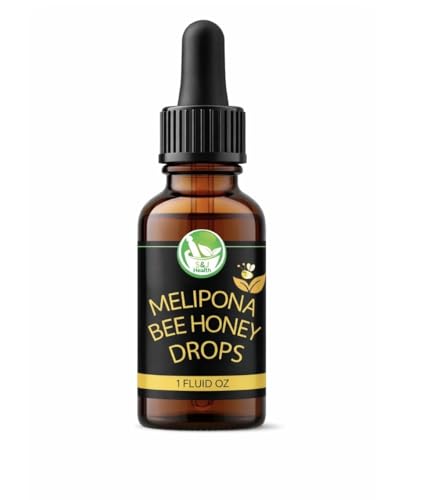
S&J Melipona Bee Honey Eye Drops is the only option explicitly named as Melipona bee honey eye drops, and its package size is 1 fl oz. The name makes it the closest match for someone seeking a product sold for eye use, unlike the other honey products here. A product name alone does not establish that a formulation is sterile or suitable for ophthalmic use. Check the ingredient list and confirm ophthalmic sterility before considering use; do not put food-grade honey in the eye.
Bottom line: Choose this only if its packaging confirms an ophthalmic formulation and sterility.
Miel Melipona Jimerito, 10 mL

Miel Melipona Jimerito, 10 mL is a pure Melipona honey product sourced from Guatemala, rather than a product identified as eye drops. The maker describes it as additive-free and gives a 0.33-ounce package size. That makes it relevant to someone comparing Melipona honey itself, but not to someone seeking an ophthalmic product. Honey intended as food or general use is not a substitute for sterile eye drops, and it should not be placed in the eye.
Bottom line: Choose it only for a non-ophthalmic use of Melipona honey.
Emma Bram Jimerito Melipona Honey

Emma Bram Jimerito Melipona Honey differs from the other honey options by specifying a dropper bottle for dispensing raw Melipona honey. The package contains 0.34 fluid ounces, and its maker describes the honey as unprocessed and free of additives. A dropper bottle does not make a honey product an eye drop: ophthalmic products need sterile formulation and packaging. This is therefore a related honey option, not a substitute for a product specifically made and labeled for eye use.
Bottom line: Choose it for dispensing honey outside the eye, not for ophthalmic use.
Pure Melipona Honey Drops, 10 mL

Pure Melipona Honey Drops, 10 mL is described as Mexican Melipona honey in a 10 mL dropper bottle, but the product name and features identify honey rather than eye drops. Its dropper allows controlled dispensing, yet that packaging does not establish sterility or suitability for the eye. This option is relevant only if the goal is Melipona honey for another purpose. Do not use it in the eye; a non-ophthalmic honey product cannot replace sterile eye drops.
Bottom line: Choose it only when you want Melipona honey for a non-eye use.
Mexiboku Jimerito Melipona Honey, 30 mL
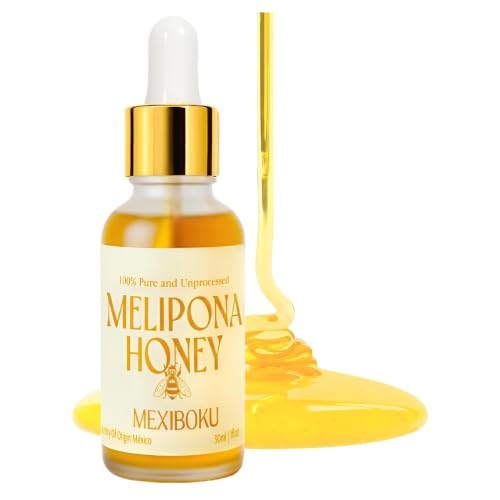
Mexiboku Jimerito Melipona Honey, 30 mL is a 30 mL product identified as pure, unprocessed Jimerito Melipona honey. Its larger stated volume distinguishes it from the smaller honey packages, but the maker does not identify it as an eye-drop formulation. It is a related option for someone seeking Melipona honey, not for someone looking for an ophthalmic product. Do not put non-ophthalmic honey in the eye; eye drops must be formulated and packaged to remain sterile.
Bottom line: Choose it for non-ophthalmic use when a 30 mL honey package suits your needs.
How to choose Melipona honey eye drops
Choose only a product clearly formulated and labeled for ophthalmic use, not simply a honey product with a dropper. Eye drops contact the eye directly, so sterility is essential; a dispenser shape or the word “drops” by itself does not prove a product is sterile. Check the ingredient list, intended route of use, and sterile packaging before use. Never put food honey or honey sold for general use in the eye. If the packaging does not clearly confirm ophthalmic use and sterility, do not use it as an eye drop; ask an eye-care professional about a suitable alternative.
Why eye-drop sterility and packaging matter
Eye drops must remain free of microbial contamination, and touching a dropper tip to the eye, fingers, or another surface can contaminate the container. Keep the tip from contacting anything and close the container after each use. A bottle labeled for another purpose is not made safe for the eye by having a dropper. Discard a product if its seal is broken before opening or if the container is damaged. Follow the product’s own discard instructions after opening, since usable time varies by formulation and package; do not assume a honey product has the same storage rules as sterile eye drops.
Melipona honey products compared by intended use
Only a product explicitly identified for ophthalmic use is a candidate for eye-drop use; ordinary Melipona honey is a different product type. Use this comparison to separate the named eye-drop option from honey packaged for other purposes. A dropper bottle is a dispensing format, not proof of ophthalmic formulation or sterility. For eye use, choose by intended route and sterile status before considering honey origin, package size, or dispensing style.
| Product category | What it is for | Eye use |
|---|---|---|
| Product explicitly named as eye drops | Potential ophthalmic product | Only if its packaging confirms ophthalmic use and sterility |
| Melipona honey in a dropper bottle | Honey dispensing | Not a substitute for eye drops |
| Melipona honey in a regular container | Honey for non-eye use | Do not put in the eye |
Safe handling for products used in the eye
Keep eye-drop containers clean and avoid touching the tip to the eye or any surface, because contamination can reach the eye with later doses. Wash and dry hands before handling a product intended for ophthalmic use, and close it promptly after use. Do not share eye-drop containers, since sharing can transfer germs between users. If an eye product causes pain, marked irritation, or a change in vision, stop using it and seek advice from an eye-care professional. These precautions do not make a non-ophthalmic honey product safe to use in the eye.
Frequently Asked Questions
Can regular Melipona honey be used as eye drops?
No; honey sold for general use is not a substitute for sterile ophthalmic drops. Do not put it in the eye, even if it comes in a dropper bottle.
Does a dropper bottle mean honey is sterile?
No; a dropper is a dispensing format, not proof of sterility or eye-use suitability. Use only products whose packaging confirms ophthalmic use and sterile formulation.
How can an eye-drop bottle become contaminated?
The tip can pick up germs if it touches an eye, finger, or other surface. Keep the tip clear of contact and close the container after use.
Should eye drops be shared with another person?
No; sharing can transfer germs through the container or its tip. Each person should use their own eye-drop container.
When should eye drops be discarded after opening?
Use the discard period given on the product packaging because it varies by formulation and package. Do not assume a general-use honey product follows eye-drop storage rules.