
Toe Separators for Morton’s Neuroma: 4 Options Compared

For Morton’s neuroma, Pnrskter Gel Toe Separator is the most targeted starting point because its design combines toe spacers with breathable metatarsal pads. Choose a different style if you need adjustable separation, cushioning, or a pinky-toe-specific separator.
Toe separators sit between toes to create space; metatarsal pads cushion the ball of the foot. They may not fit comfortably in every shoe, so prioritize a roomy toe box and stop wearing a spacer if it worsens pain or causes numbness.
We earn a commission if you buy through links on this page. As an Amazon Associate I earn from qualifying purchases. Products are compared on manufacturer specifications, not hands-on testing.
- Best overall: Pnrskter Gel Toe Separator – Combines toe spacing with breathable metatarsal pads in a six-piece set.
- Best for adjustable spacing: Tuli’s Soft Moves Adjustable Toe Separators – Its V-shaped design lets you adjust the amount of toe separation.
- Best for ball-of-foot cushioning: Gel Toe Separators with Metatarsal Pads – Pairs gel toe separation with metatarsal cushioning and air holes.
- Best for pinky toes: Povihome Pinky Toe Separators – A three-hole design targets spacing around overlapping or curled toes, including the pinky toe.
| Product | Best for | Set size | Material | Design | Shop |
|---|---|---|---|---|---|
| Pnrskter Gel Toe Separator | Spacing and cushioning | 6 pieces | Medical-grade gel | Toe spacers and metatarsal pads | Check Price on Amazon |
| Gel Toe Separators with Metatarsal Pads | Ventilated cushioning | 2 pairs | Medical-grade material | Toe separators and ball-of-foot cushions | Check Price on Amazon |
| Tuli’s Soft Moves Adjustable Toe Separators | Adjustable separation | — | Silicone | Adjustable V-shaped | Check Price on Amazon |
| Povihome Pinky Toe Separators | Pinky-toe spacing | 10 count | — | Three-hole separator and protector | Check Price on Amazon |
Toe Separators for Morton’s Neuroma
Compare the separation style and cushioning to find an option that fits your toes and footwear.
Pnrskter Gel Toe Separator

Toe spacing plus breathable metatarsal pads distinguishes this six-piece set from simple separators. The product uses soft, latex-free medical-grade gel and describes the half-sleeve pads as non-slip. Its uses include neuroma and metatarsal discomfort, making it a relevant option for someone seeking both separation and cushioning. The limitation is that the specifications do not establish sizing or how the pads fit a particular shoe; buyers with close-fitting footwear should check that the combined pieces leave enough room before wearing them for long periods.
Bottom line: Choose this if you want toe separation and metatarsal cushioning in the same set.
Gel Toe Separators with Metatarsal Pads
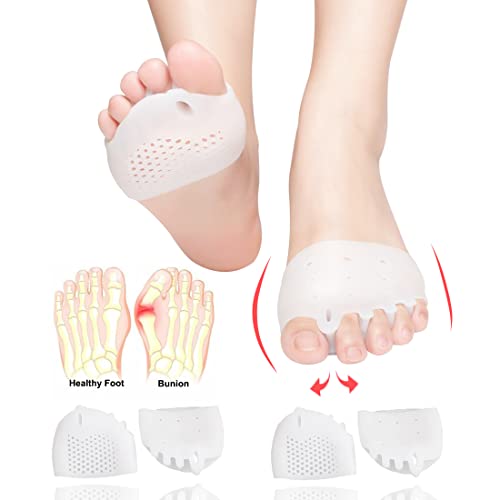
Air holes and ball-of-foot cushioning set this two-pair option apart. The product combines toe separators with metatarsal pads and describes its material as soft, durable, and medical grade. That pairing may suit buyers who want cushioning as well as space between toes, including when walking. The specifications do not give a sizing range or identify the pad placement, so fit may be less predictable for unusually wide feet or narrow shoes. Make sure the pads do not press directly on a painful spot.
Bottom line: Pick this if ventilation and combined toe-and-ball cushioning are priorities.
Tuli’s Soft Moves Adjustable Toe Separators
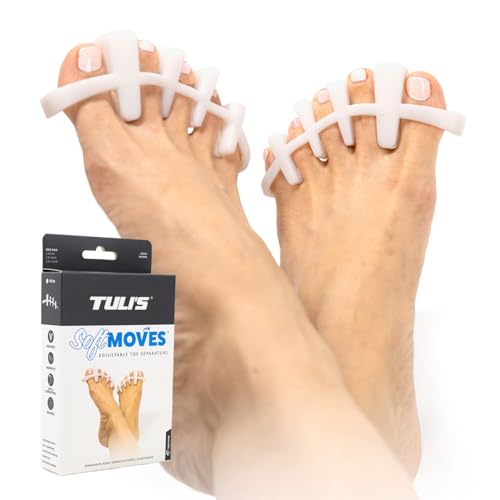
An adjustable V-shaped design makes this option distinct from fixed-form spacers. The product says the separation level can be customized and that one size fits most; it also identifies silicone as the material. That flexibility may suit buyers who want to change the spacing rather than choose a fixed gap. Start with gentle separation and avoid forcing toes into position.
Bottom line: Choose this if adjustable spacing matters more than a specified pad or set count.
Povihome Pinky Toe Separators
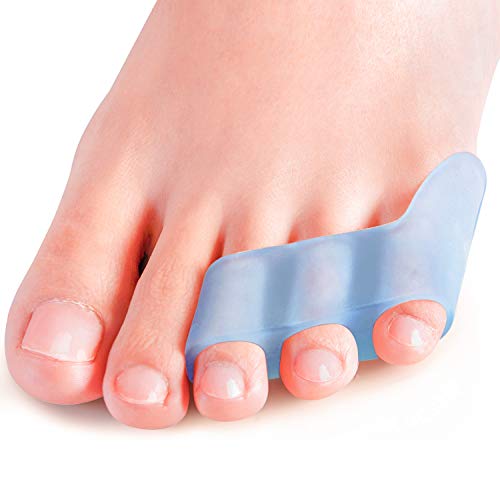
A pinky-toe focus and 10-count package distinguish this set from the broader designs. Its three-hole separators are intended to create space between adjacent toes and between the little toe and shoe surface; the product also names Morton’s neuroma between the third and fourth or fourth and fifth toes among its intended uses. The pinky-toe focus may be less suitable if you only want a general metatarsal cushion.
Bottom line: Pick this if you want a multi-count set aimed at overlapping or curled pinky toes.
How to choose toe separators for Morton’s neuroma
Start with the location of discomfort and the job you want the device to do: separate toes, cushion the ball of the foot, or both. Morton’s neuroma commonly affects the area between the third and fourth metatarsal heads, though symptoms and exact location vary. A toe spacer creates room between toes; a metatarsal pad supports the forefoot and is generally positioned just behind the metatarsal heads rather than directly under a tender spot. Choose a combination only if your shoe has enough volume for both parts. A useful fit rule is to try the device in a shoe with a wide, deep toe box; if toes feel compressed or symptoms increase, remove it and reassess fit.
Toe spacer fit and shoe clearance
A spacer should sit between the intended toes without forcing them apart or folding against neighboring toes. Footwear matters: a broad, rounded toe box gives toes more room than a pointed front, and a low heel reduces forward pressure compared with a high heel. Try a new spacer at home for a short period before wearing it through a full day, and check for rubbing, skin redness, tingling, or numbness. Stop using it if pain or numbness worsens. People with diabetes, reduced foot sensation, open skin, or persistent symptoms should ask a clinician about fit before using a device that can rub or alter pressure.
Toe separators versus metatarsal pads
Toe separators and metatarsal pads address different contact points, so the right style depends on where the device needs to sit. Separators fit between toes; pads rest beneath the forefoot, typically just behind the metatarsal heads. A combined design can occupy more space inside a shoe than either component alone. Use this distinction to narrow the choice before considering material or adjustability.
| Need | Device style | Fit consideration |
|---|---|---|
| More room between toes | Toe separator | Must fit between the intended toes without forcing them |
| Support beneath the forefoot | Metatarsal pad | Usually sits behind the metatarsal heads |
| Both functions | Combined separator and pad | Needs extra shoe volume |
Safe use and common fit mistakes
Comfortable fit is more important than maximizing toe spread. A spacer that is too large, worn too long at first, or paired with a tight shoe can add pressure rather than reduce it. Check the skin after initial wear, especially around toe webs, and stop if redness persists, skin breaks, or numbness increases. Soft gel can still cause friction or trap moisture, so keep the device and skin clean and dry. Seek professional guidance for ongoing forefoot pain, new numbness, or symptoms that interfere with walking; toe separators are not a substitute for assessing persistent foot problems.
Frequently Asked Questions
Where should a metatarsal pad sit for forefoot discomfort?
A metatarsal pad generally sits just behind the metatarsal heads, not directly beneath the most tender spot. Incorrect placement can add pressure, so adjust or remove it if discomfort increases.
Can toe separators fit inside regular shoes?
They can fit only when the shoe has enough width and depth for the spacer and toes. A roomy toe box is a better starting point than a pointed or tight-fitting shoe.
How long should I wear a toe spacer at first?
Begin with a short trial at home rather than wearing a new spacer all day. Check for rubbing, redness, or increased tingling, and stop if symptoms worsen.
When should I stop using a toe separator?
Stop if the device increases pain, causes numbness, or leaves persistent redness or broken skin. Persistent forefoot pain or new numbness warrants professional assessment.
Are toe separators and metatarsal pads the same thing?
No. A toe separator sits between toes, while a metatarsal pad supports the forefoot from beneath, usually just behind the metatarsal heads. Combined devices use both approaches and need more room inside footwear.