
100% Pure Gum Spirits of Turpentine Compared by Size

For a general-purpose solvent in the largest container here, Chemboys offers 1 gallon; the smaller bottles suit buyers who want less on hand. If you need a particular origin or professional packaging, compare those claims before choosing.
We earn a commission if you buy through links on this page. As an Amazon Associate I earn from qualifying purchases. Products are compared on manufacturer specifications, not hands-on testing.
- Best overall: Chemboys Pure Gum Spirits, 1 Gallon – Its 1-gallon container is the largest option for compatible oil-based paints, varnishes and resin formulations.
- Best for brush cleanup: Sunnyside 87032 Pure Gum Spirits, 1 Quart – The maker highlights thinning and cleanup and says natural gum spirits have a positive effect on brushes.
- Best for controlled dispensing: Salenda Gum Spirits, 100 mL – The 100 mL glass bottle is described as convenient for controlled dispensing.
| Product | Best for | Container size | Source or origin | Intended uses | Shop |
|---|---|---|---|---|---|
| Chemboys Pure Gum Spirits, 1 Gallon | larger projects | 3,785 mL | Pine-derived | Oil-based paint, varnish, resin | Check Price on Amazon |
| Sunnyside 87032 Pure Gum Spirits, 1 Quart | brush cleanup | 946 mL | Pine-derived | Thinning and cleanup | Check Price on Amazon |
| Mountain Pine Pure Gum Spirits, 4 oz | pine-gum origin | 118 mL | Slash pine gum, Southern Georgia | Thinning, coatings, adhesives | Check Price on Amazon |
| Diamond G Forest Products, 4 oz | simple small bottle | 118 mL | Pine-derived | — | Check Price on Amazon |
| Salenda Gum Spirits, 100 mL | artist dispensing | 100 mL | — | Oil painting, brush cleaning, thinning | Check Price on Amazon |
100% Pure Gum Spirits of Turpentine Options
Compare the container size and stated applications to match the solvent to your work and storage needs.
Chemboys Pure Gum Spirits, 1 Gallon
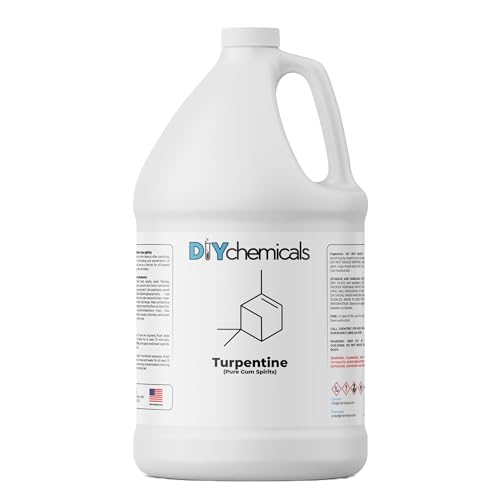
The gallon container makes this the largest option here, suited to work that calls for more solvent at once. Chemboys describes it as a pine-derived solvent for compatible oil-based paints, varnishes and resin formulations. The maker advises reading the label and Safety Data Sheet, using ventilation and protective equipment, and keeping the product away from heat and ignition sources. Its main tradeoff is the large volume: occasional users or anyone with limited safe storage may prefer one of the smaller bottles.
Bottom line: Choose this when your compatible projects justify keeping a full gallon on hand.
Sunnyside 87032 Pure Gum Spirits, 1 Quart

Sunnyside pairs a quart container with a specific focus on thinning and cleanup, rather than the gallon volume of Chemboys. The maker says the solvent is derived from pine trees, has greater solvent power than mineral spirits and paint thinner, and can be used with oil-based coatings. It also says natural gum spirits have a positive effect on brushes.
Bottom line: Pick this for a quart-sized option when brush cleanup is central to the job.
Mountain Pine Pure Gum Spirits, 4 oz

Mountain Pine distinguishes itself with a regional source: pure pine gum from slash pine trees native to Southern Georgia. The maker also claims the product is sulfate-free and suitable for applications including paint thinning, color coating and adhesive use. At 4 ounces, it is a small container compared with the quart and gallon choices, better suited to limited quantities or testing compatibility in a small job.
Bottom line: Choose this when the Southern Georgia pine-gum origin matters to you.
Diamond G Forest Products, 4 oz
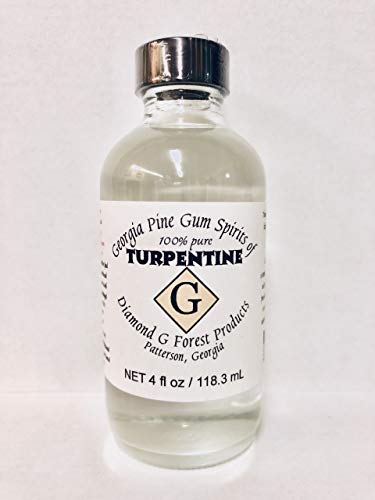
Diamond G keeps the product proposition simple: a 4-fluid-ounce bottle of 100% pure, all-natural gum spirits, made in the USA, with a fresh, clean pine scent. That compact amount suits someone who wants a small container rather than a quart or gallon. The feature set does not describe a particular application, unlike options explicitly aimed at painting, thinning or cleanup, so buyers should make sure the product matches their intended task before choosing it. Its appeal is the small size and stated origin, not a detailed use range.
Bottom line: Pick this if a 4-fluid-ounce US-made bottle and simple product claims fit your needs.
Salenda Gum Spirits, 100 mL

Salenda uses the smallest volume here, 100 mL (3.38 fluid ounces), in a glass bottle the maker says supports controlled dispensing. It is positioned for artists, woodworkers and professional workshop applications, with oil painting, brush cleaning and paint thinning among the named uses. The maker advises following label instructions and working in a well-ventilated area. This compact bottle fits occasional or controlled use better than bulk work; buyers needing larger quantities may find the 1-quart or 1-gallon sizes a closer match.
Bottom line: Choose this for small, controlled amounts in painting or workshop tasks.
How to choose gum spirits of turpentine
Start with the job and required quantity: the choices range from 3.38 fluid ounces to 1 gallon, and their applications differ. Gum turpentine is a solvent distilled from pine resin; it is used in some oil-painting and compatible coating work, but formulations are not interchangeable. For thinning, confirm that the coating label allows turpentine rather than assuming any paint thinner will work. For brush cleanup, use the solvent specified for the paint type, and remove residue before it dries. Solvents can release vapors and ignite: use ventilation, keep containers closed when not dispensing, and keep them away from flames, sparks and hot surfaces. Choose a small container for occasional work and bulk only when you can use and store it safely.
How container size changes the fit
Choose by how much solvent the project actually consumes, not by bottle appearance: 100 mL is about 3.38 fluid ounces, while 1 US gallon is 128 fluid ounces. The four-ounce choices are suited to small quantities; a quart provides more for repeated cleanup or thinning, and a gallon is oriented toward larger or recurring work. Keep volatile solvents in their original, tightly closed container and out of reach of children and pets. A practical decision rule is to avoid buying the gallon unless you have a compatible ongoing use and an approved, secure storage location; a smaller bottle reduces the amount that must be stored. Follow the container’s disposal directions rather than pouring solvent down a drain.
What pine-derived and intended-use claims mean
Pine-derived gum spirits and petroleum-derived mineral spirits are different solvents, so do not substitute one for the other without checking the coating or art material instructions. The products here distinguish themselves through source or use claims: Mountain Pine specifies slash pine gum from Southern Georgia, while Sunnyside names thinning and cleanup and Salenda names artist and woodworking tasks. Those stated uses are not universal compatibility guarantees. A buyer working with a specific varnish, paint or adhesive should check that material’s label for an accepted thinner and cleanup solvent. A fresh pine scent, where claimed, does not indicate low vapor exposure or make the solvent safe to inhale.
| Need | Choose by |
|---|---|
| Occasional small task | 3.38–4 fl oz container |
| Brush cleanup and thinning | Quart with those uses named |
| Recurring larger work | Gallon, if safe storage is available |
| Specific pine-gum provenance | Product stating its pine source |
Safe handling and storage basics
Turpentine is a flammable solvent, so keep it away from ignition sources and work where fresh air can disperse vapors. Wear gloves and eye protection appropriate to the label and Safety Data Sheet, and avoid skin contact or breathing concentrated vapor. Never transfer solvent into a food or drink container; retain the original label so the contents and safety directions remain clear. Close the cap promptly after dispensing, and store the container upright in a cool, secure place away from children, pets and heat. For a spill, disposal or exposure, use the product label and Safety Data Sheet rather than improvising; local household hazardous-waste programs commonly accept solvent waste.
Frequently Asked Questions
Can gum turpentine thin any oil-based paint?
No; compatibility depends on the specific paint formulation. Use turpentine only when the paint label permits it, since an incorrect thinner can change drying and finish behavior.
How is gum turpentine different from mineral spirits?
Gum turpentine is distilled from pine resin, while mineral spirits are petroleum-derived. Their solvent behavior differs, so use the thinner named for the coating or art material.
How should turpentine be stored safely?
Keep it tightly closed in its original labeled container, upright and away from heat, flames and sparks. Store it where children and pets cannot reach it.
Is a pine scent a sign that turpentine is safe to breathe?
No; a pine scent does not establish that vapors are safe to inhale. Use the solvent with ventilation and follow its label and Safety Data Sheet.
Can leftover turpentine go down the sink?
No; do not pour solvent into a sink or storm drain. Keep it in the labeled container and follow local household hazardous-waste disposal guidance.